Most people think hydration begins and ends with water. Drink more water, feel better. Drink less water, feel worse. That is partly true, but it is not the full story.
Hydration is not just about how much water enters the body. It is also about how well the body holds, moves, and uses that water. For that, the body needs minerals.
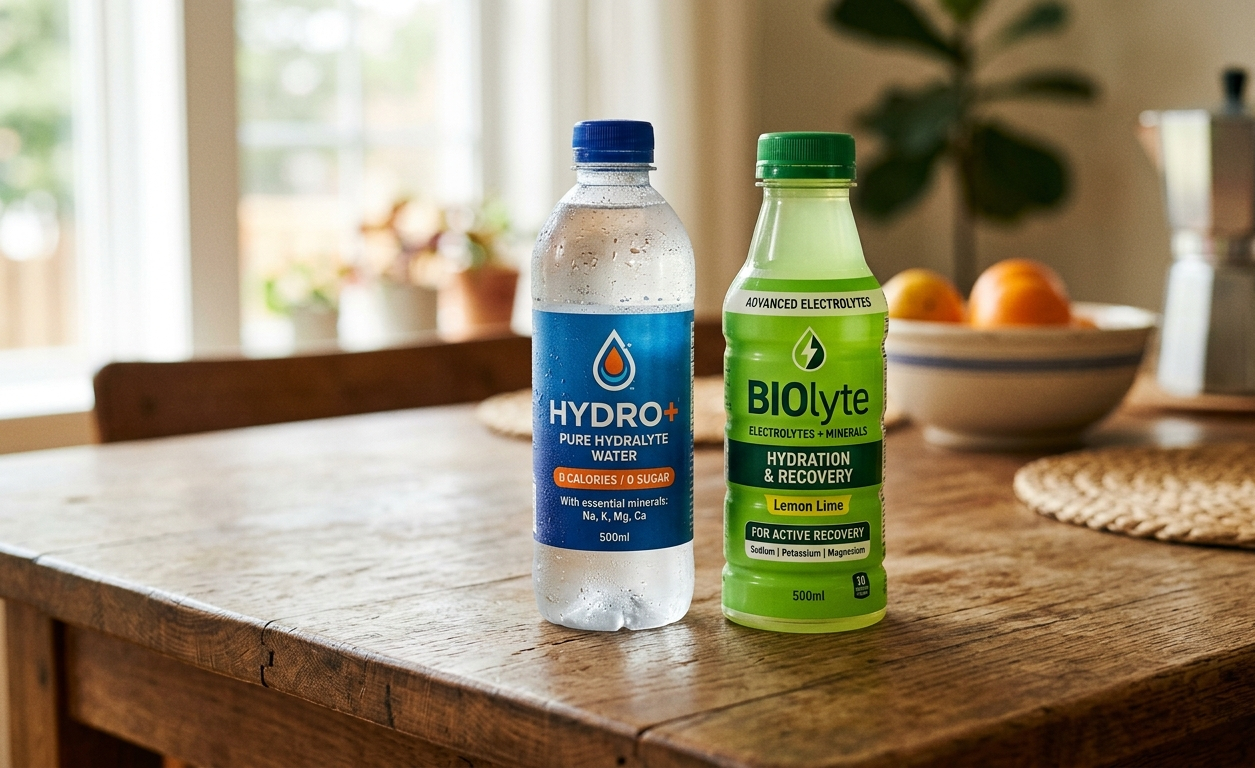
These minerals are often called electrolytes. They include sodium, potassium, magnesium, calcium, chloride, and phosphate. They help control fluid balance, support muscle movement, assist nerve signaling, and keep the body’s internal systems working smoothly.
That is why you can drink water and still feel tired, weak, foggy, or physically off. Sometimes, the body does not only need water. It needs balance.
Why minerals matter
Water is essential, but water does not work alone. Inside the body, fluids move in and out of cells. Minerals help guide that movement. They also help the heart beat, muscles contract, nerves communicate, and the body maintain a steady internal rhythm.
Potassium helps support muscle and nerve function. Sodium helps regulate fluid balance. Magnesium supports muscle and nerve function and plays a role in many normal body processes. Calcium is important for muscles, bones, and signaling inside the body.
Together, these minerals help the body feel steady. When the balance is off, the body may send signals.
You may feel unusually tired. Your muscles may cramp. Your head may feel heavy. Your focus may dip. You may feel thirsty even after drinking water. In hot weather, after heavy sweating, or during illness, these signs can become more noticeable.
Heat, sweat, and daily life
In warm climates, hydration deserves special attention. Heat increases sweating, and sweat carries both water and minerals out of the body. People who work outside, exercise often, walk long distances, cook in hot environments, or spend long hours in the sun may need more consistent fluid and mineral support.
This does not mean everyone needs sports drinks or electrolyte powders. Many people can support hydration through ordinary foods and steady water intake.
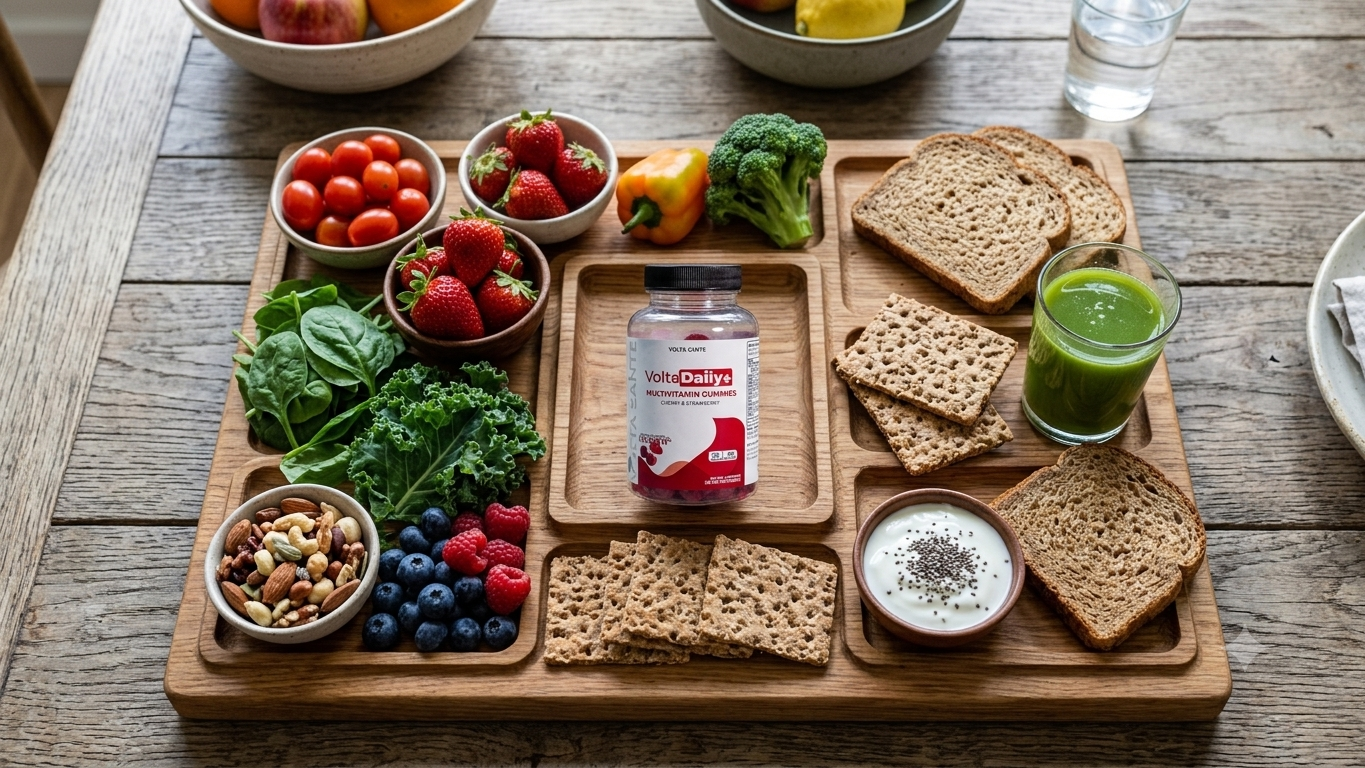
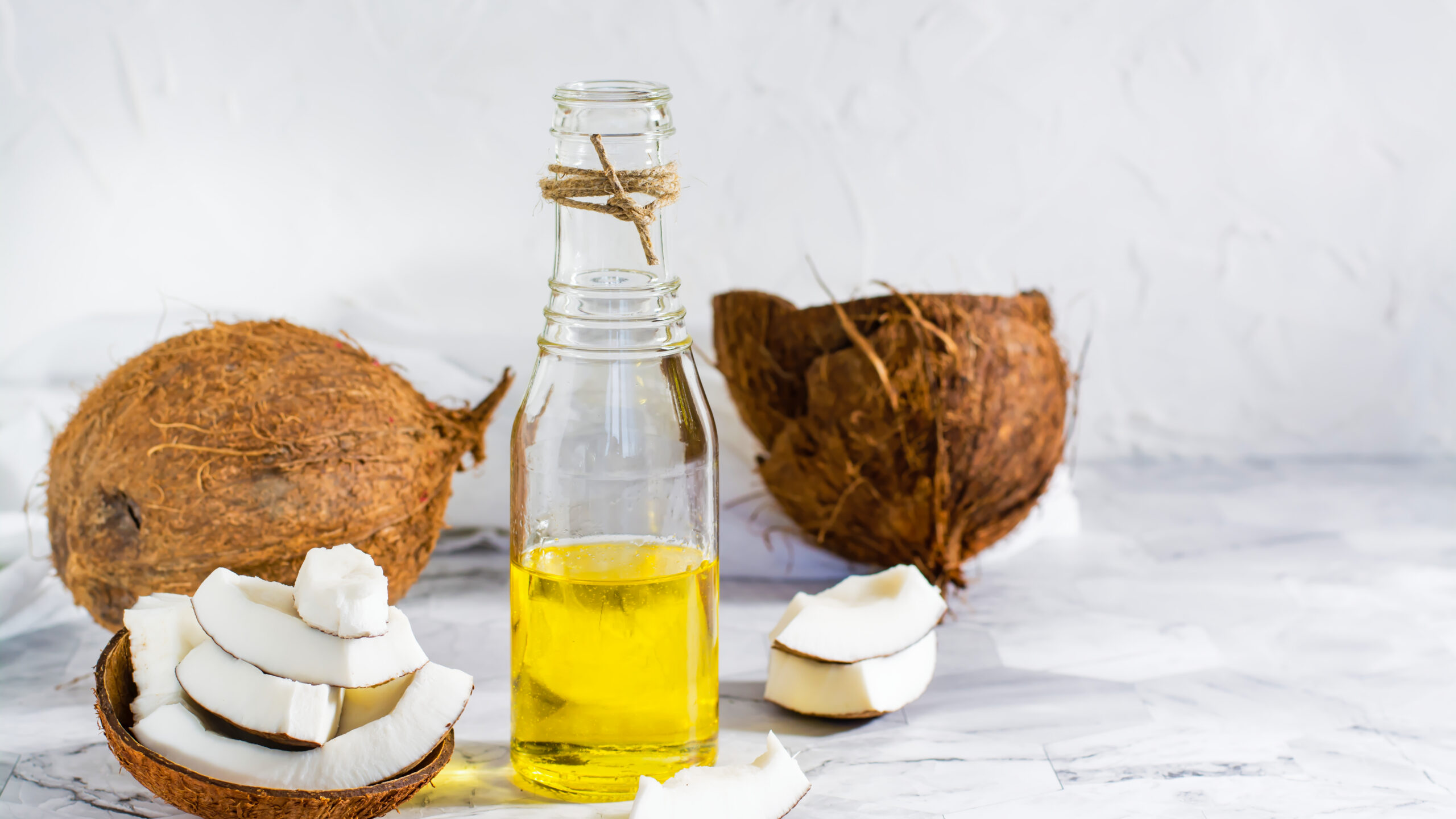
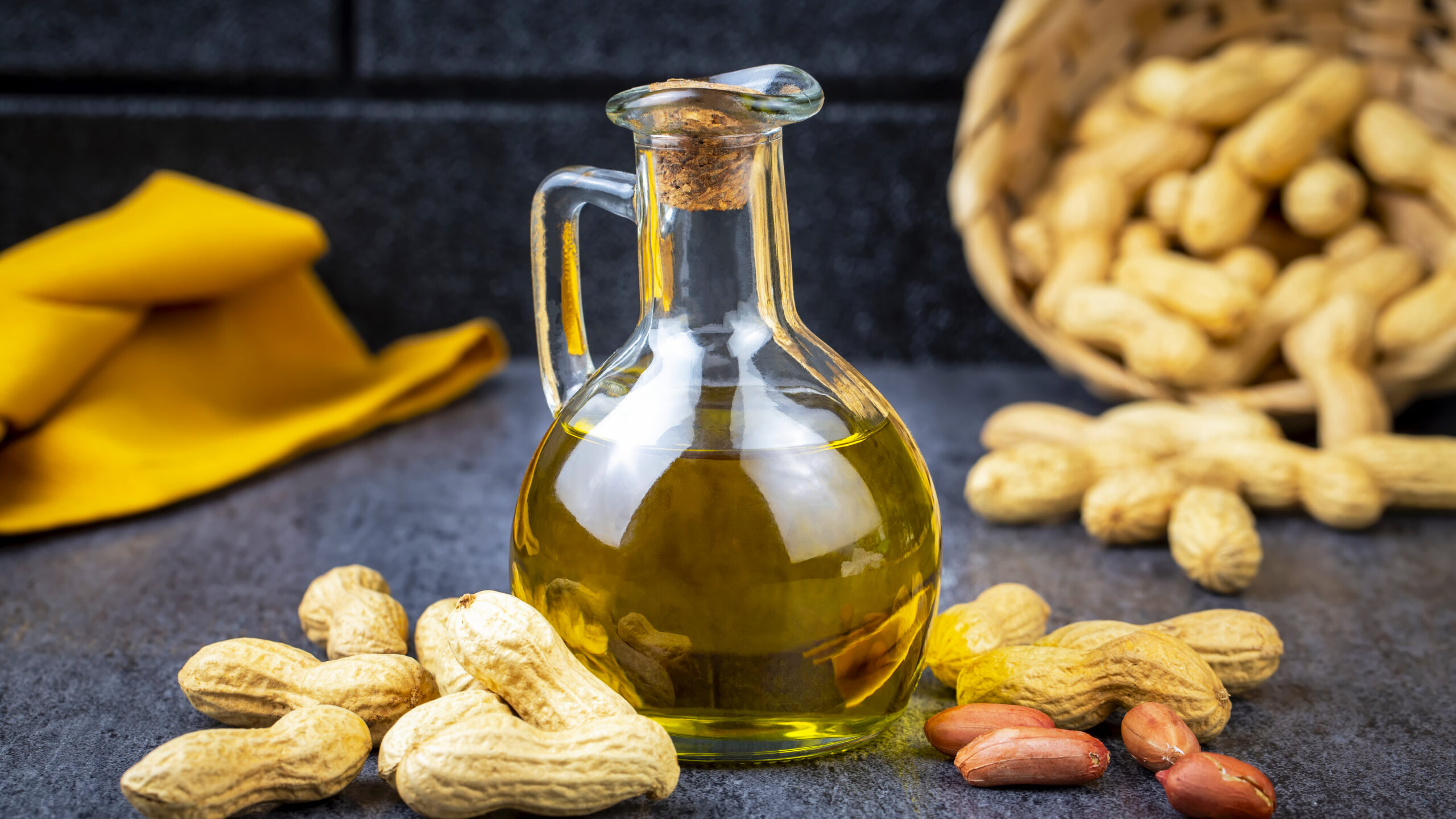
Fruits, vegetables, legumes, nuts, seeds, soups, and mineral-rich foods can all contribute. Coconut water, leafy greens, beans, bananas, avocados, oranges, tomatoes, and groundnuts can help support a mineral-rich diet.
The goal is not to chase a perfect formula. The goal is to listen to the body and build a rhythm that supports real life.
Too much sugar can work against hydration
Not every drink helps the body equally. Many sweet drinks contain large amounts of sugar. They may taste refreshing, but they are not always the best choice for daily hydration.
Sugary drinks can add unnecessary calories and may leave the body wanting more fluid. Energy drinks can also be misleading. They may create a temporary feeling of alertness while adding sugar, caffeine, or other stimulants that do not solve the real issue.
Water should remain the foundation. Food should provide many of the minerals. Supplements can support the routine when needed, but they should not replace good daily habits.
A simple hydration rhythm
A healthy hydration routine does not need to be complicated.
Start your day with water.
Drink before you become extremely thirsty.
Increase fluids when the weather is hot.
Pay attention after sweating.
Eat mineral-rich foods daily.
Limit sugary drinks.
Watch your urine color and energy level.
Pale yellow urine often suggests you are reasonably hydrated. Very dark urine may be a sign that you need more fluids. But the body is complex, and certain foods, medicines, and supplements can also affect urine color.
If you have kidney disease, heart disease, high blood pressure, or take medication that affects fluid or mineral balance, speak with a healthcare professional before using electrolyte supplements or making major changes to sodium or potassium intake.
The bottom line
Hydration is not just water. It is water plus balance.
Your body needs fluid, but it also needs the minerals that help that fluid do its work. When hydration is supported by water, mineral-rich foods, steady routines, and smart daily choices, the body can feel more alert, more comfortable, and more resilient.
Feeling well does not always require a dramatic change. Sometimes, it begins with a glass of water, a better meal, less sugar, and a little more attention to what your body is trying to say.