Where it begins
Potassium is naturally found in many igneous and sedimentary rocks, especially in minerals like feldspar and mica. Through weathering, it is released into soils as potassium ions, which plants readily absorb.
Unlike some other nutrients, potassium is highly mobile in soil and water, making it easily lost through leaching, especially in sandy or heavily irrigated soils. That’s why potassium-rich soils are more common in humid regions with good organic content.
How it enters your plate
Potassium is widely available in both plant and animal foods—and in West Africa, it’s abundant in traditional staples, such as:
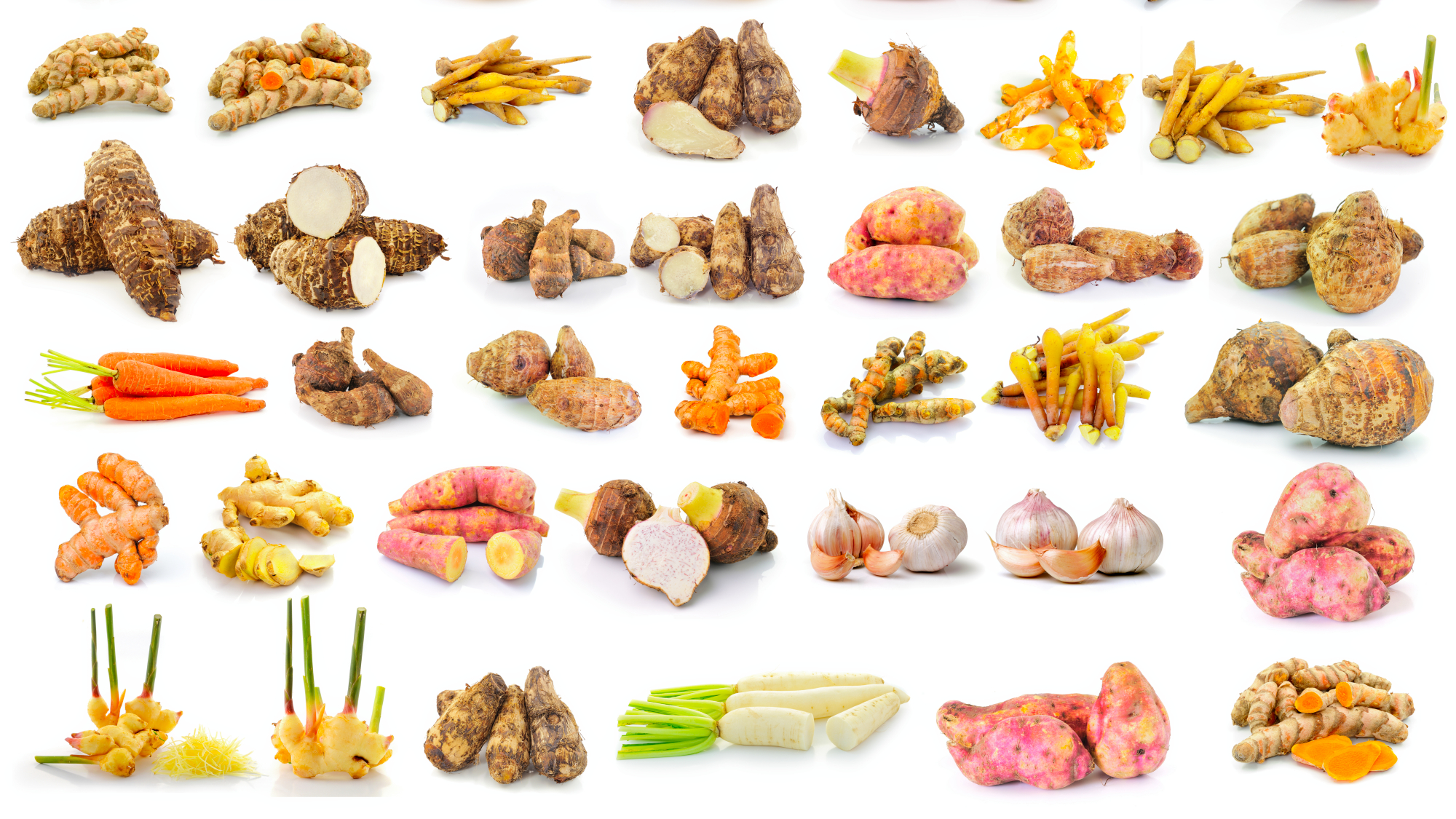
- Yam, sweet potato, and cassava
- Plantain and banana, especially when ripe
- Beans, lentils, and groundnuts
- Tomatoes and leafy greens, like spinach and ugu
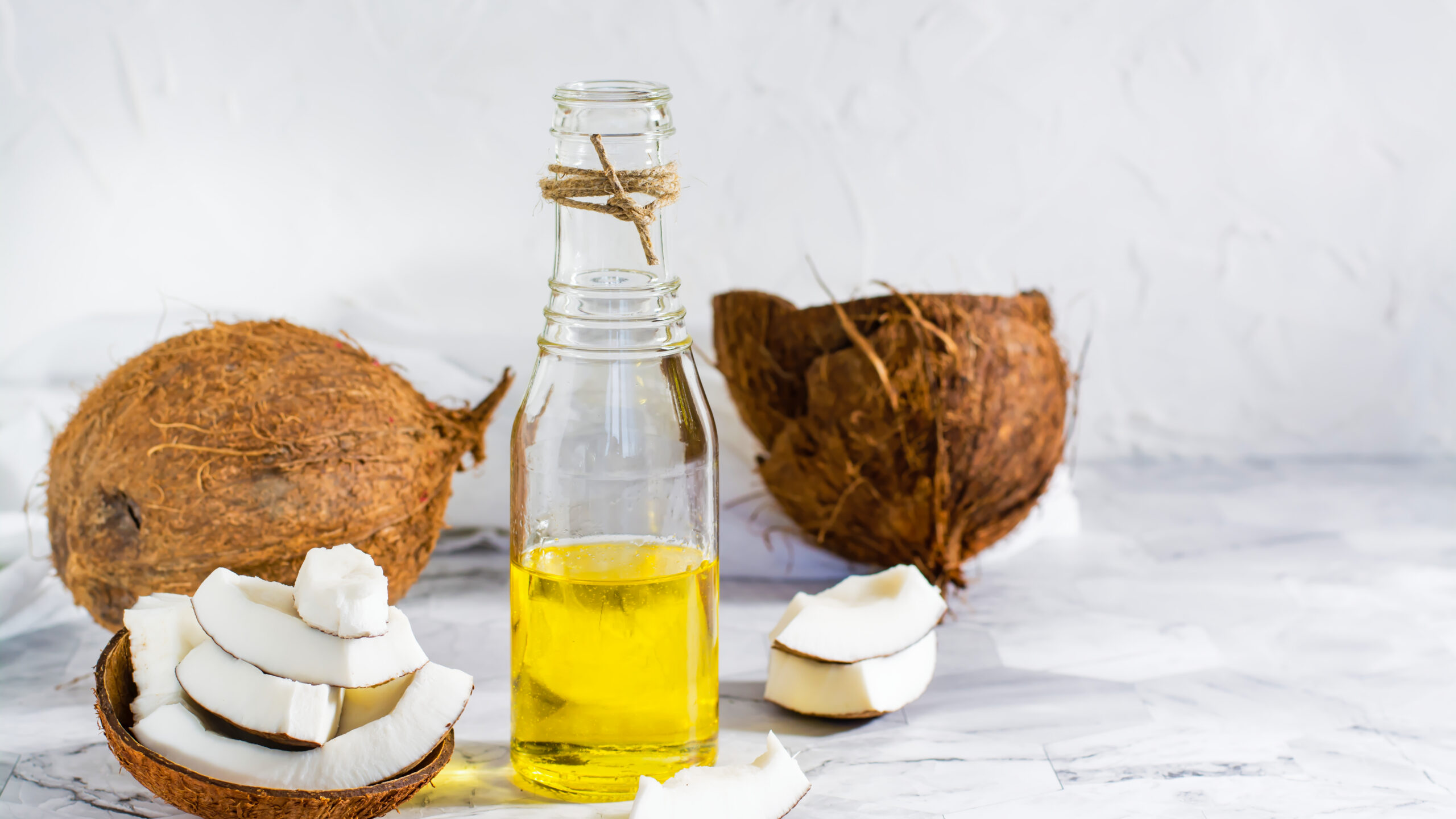
- Coconut water, a natural electrolyte beverage
Unlike sodium, which is often added during cooking, potassium comes mostly from whole, unprocessed foods—which is why it’s more common in traditional diets than ultra-processed ones.
What it does in your body
Potassium plays a central role in electrolyte balance, working inside your cells to:
- Regulate fluid levels and prevent dehydration
- Maintain normal blood pressure by counteracting sodium
- Support muscle contractions, including the heart
- Transmit nerve signals between the brain and body
- Balance acidity (pH) within cells and tissues
Even mild potassium imbalance can affect how your muscles and nerves function, while severe deficiency can be life-threatening.
Are you getting enough?
Most people eating traditional West African diets rich in roots, tubers, and legumes meet their potassium needs. However, low intake may occur when:
- Diets rely heavily on processed or salty foods
- There’s chronic diarrhea or fluid loss
- Certain medications (like diuretics) increase potassium loss
Signs of potassium deficiency include:
- Muscle weakness or cramps
- Fatigue and irregular heartbeat
- Constipation or numbness
- Severe cases: paralysis or cardiac arrest
Takeaway Tips: Boosting Potassium Naturally
- Include tubers regularly—yam, cocoyam, and sweet potatoes are potassium goldmines.
- Add plantain to meals, baked or boiled, for a potassium-rich side.
- Use tomatoes and leafy greens in soups, stews, and sauces.
- Snack on dried fruits like banana chips (low-sodium versions).
- Stay hydrated with coconut water for a natural electrolyte boost.