Introduction: The pulse of your health
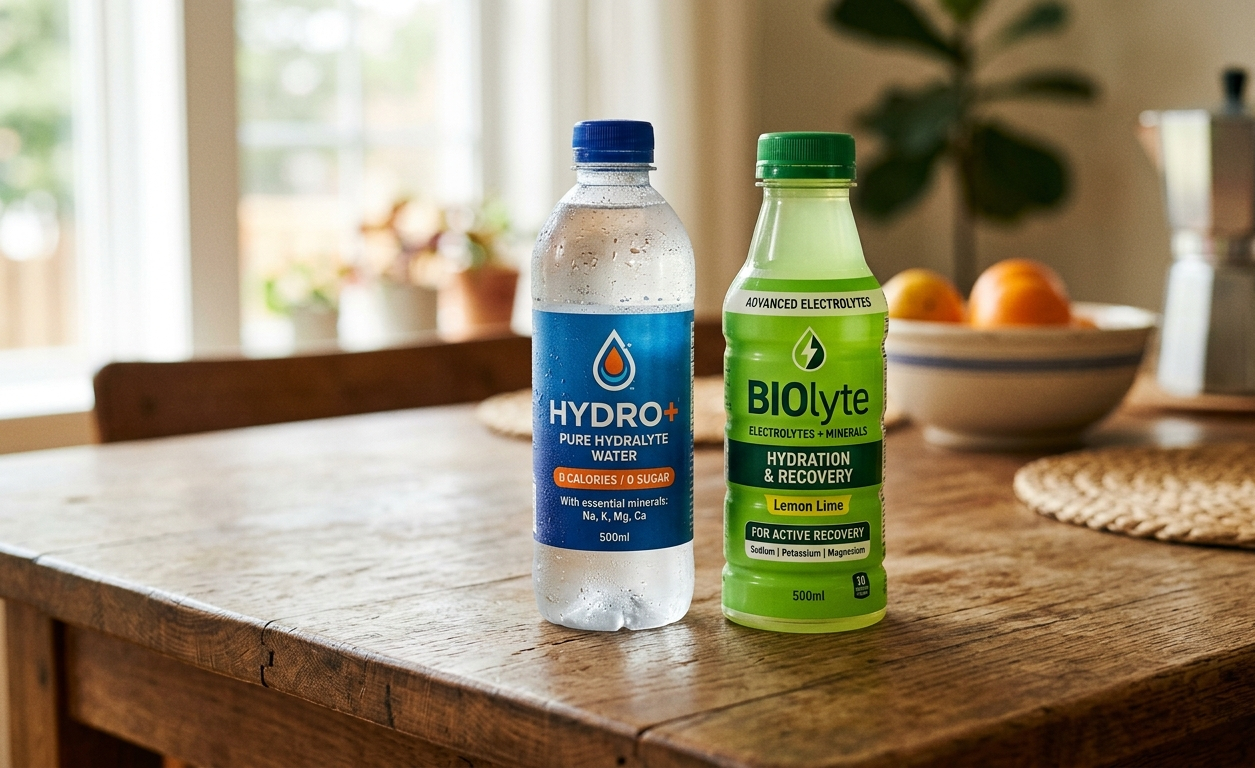
You’ve likely heard of sodium, but its partner in health, potassium, is equally vital. As one of the body’s main electrolytes, potassium helps maintain fluid balance, nerve transmission, and muscle contractions, including the steady rhythm of your heartbeat.
Despite its importance, potassium often flies under the radar in nutrition conversations, until symptoms of deficiency start to appear. Let’s dive into how this essential mineral powers your body and why modern diets often fall short.
A short but critical history
Potassium was first isolated in 1807 by chemist Sir Humphry Davy, but it wasn’t until the 20th century that scientists realized how crucial it was to cardiovascular health.
By the 1950s, studies were already linking low potassium intake with high blood pressure, and by the 1990s, it was clear that potassium helped balance out the blood pressure–raising effects of sodium.
What potassium does in the body
Potassium is involved in a range of foundational functions:
- Balances fluids and electrolytes inside and outside of cells
- Supports normal blood pressure by countering sodium
- Regulates heartbeat and muscle contractions
- Enables nerve impulse transmission
- Assists in carbohydrate metabolism
- Reduces cramping during exercise
Without potassium, your body can’t properly contract muscles, send nerve signals, or regulate heartbeat.
Are you getting enough?
Most people don’t get enough potassium, especially in countries where diets are high in sodium and processed foods. According to the World Health Organization, fewer than 40% of adults meet their daily potassium needs.
Symptoms of potassium deficiency
A condition called hypokalemia can develop when potassium is too low. Symptoms may include:
- Muscle weakness or cramps
- Fatigue
- Irregular heartbeat or palpitations
- Constipation
- Numbness or tingling
- High blood pressure
- Mood changes or confusion
Causes include diuretic use, dehydration, high sodium intake, and chronic illness.
How much potassium do you need?
Unlike many minerals, there’s no official Recommended Dietary Allowance (RDA), but the Adequate Intake (AI) is:
- Adults: 2,600 mg/day for women; 3,400 mg/day for men
- Pregnant women: 2,900 mg/day
- Breastfeeding women: 2,800 mg/day
For heart and blood pressure support, some studies recommend 4,000–4,700 mg/day.
Best Food Sources of Potassium
Plant-Based Powerhouses
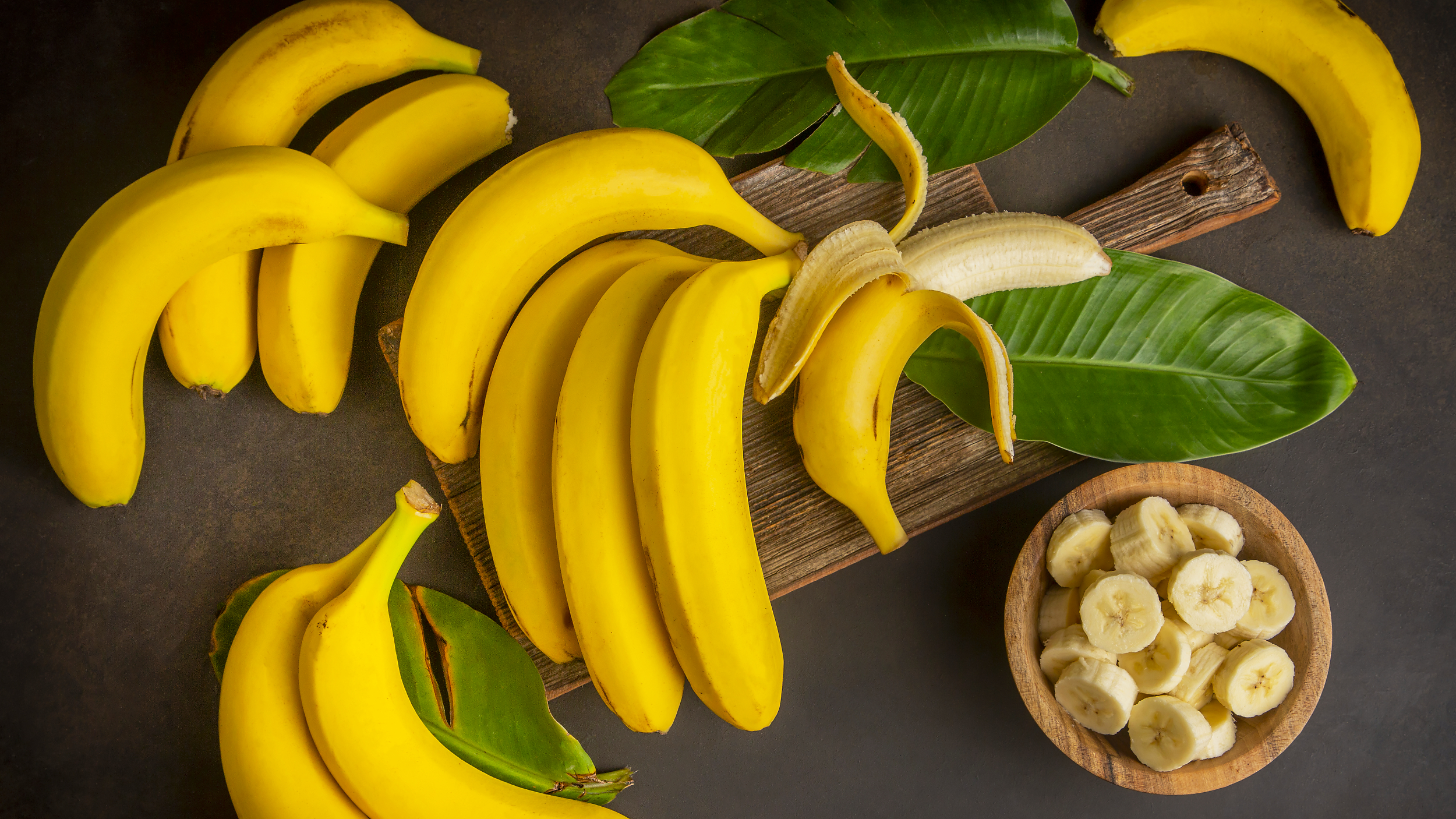
- Bananas (yes, but they’re not the richest source!)
- Sweet potatoes
- Avocados
- Spinach and Swiss chard
- Beans and lentils
- Butternut squash
- Coconut water
Animal Sources
- Salmon
- Tuna
- Dairy products (milk and yogurt)
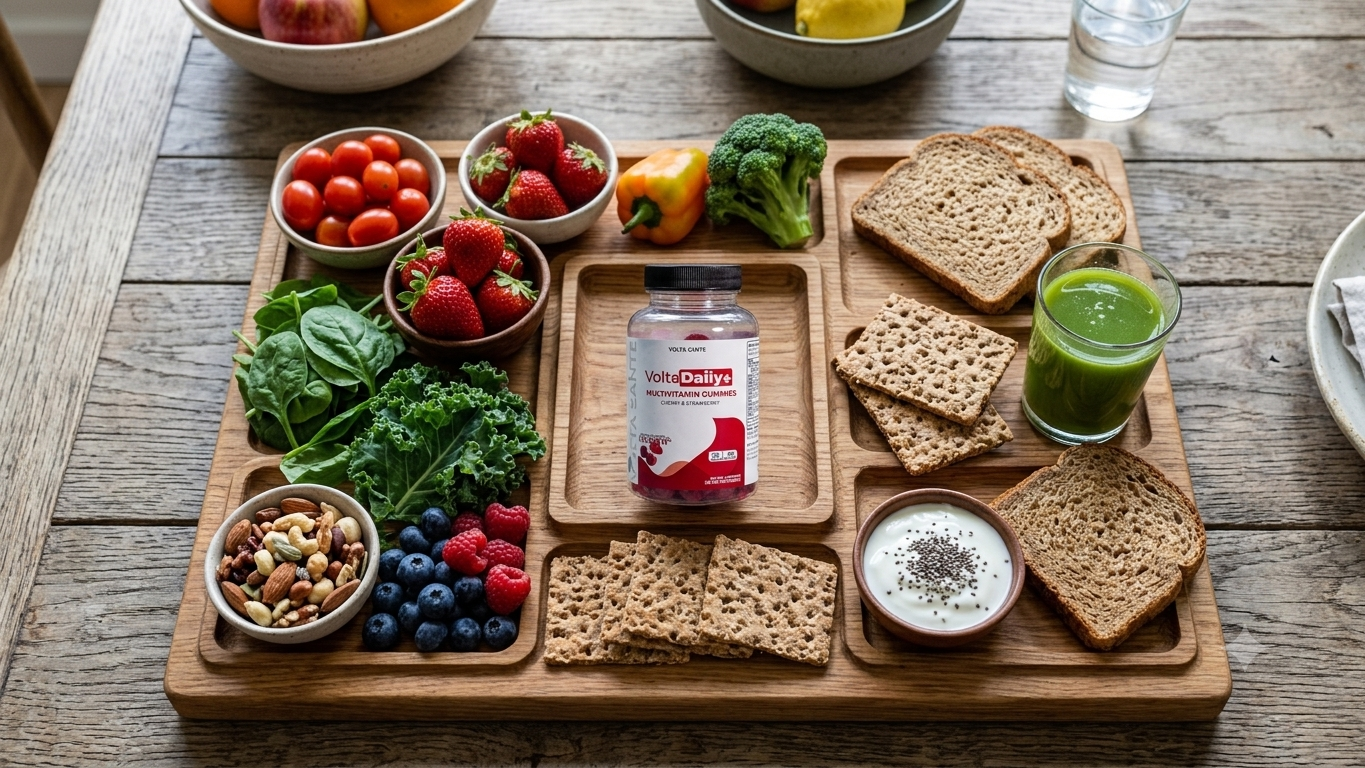
Potassium is found in many whole, unprocessed foods, while sodium is more common in processed items. A diet rich in fruits, vegetables, and legumes is the best way to boost potassium naturally.
Supplementation: Caution required
Unlike other minerals, potassium is tightly regulated in supplements because too much too quickly can affect heart rhythm. That’s why over-the-counter potassium supplements are usually limited to 99 mg per dose.
Supplementation is typically only recommended under medical supervision, especially for people with heart conditions, kidney disease, or those on medications like diuretics or ACE inhibitors.
Potassium and nutrient synergy
- Sodium – potassium balances out sodium’s effect on blood pressure
- Magnesium – works with potassium to support muscle and nerve function
- Calcium – all three support cardiovascular and muscular health
- Vitamin B6 – helps the body retain potassium
Explore more about smart nutrient combinations in our synergy guide.
Final thoughts: Potassium’s quiet power
Potassium doesn’t get the spotlight, but your heart, muscles, and cells rely on it every second of the day. It's a balancer, protector, and energizer, one that’s often lacking in the modern diet.
Whether through bananas, beans, or leafy greens, prioritizing potassium-rich foods is a smart step toward better heart health, lower blood pressure, and improved energy.
Up next in the mineral masterclass: Iodine
In our final installment, we’ll explore iodine, the mineral that fuels your thyroid, brain development, and metabolism. Follow along at the Volta Santé blog for the conclusion of the series.