Where it begins
Calcium is derived from sedimentary rocks, especially limestone and chalk, composed primarily of calcium carbonate. Over time, weathering releases calcium into soils and groundwater, where plants absorb it through their roots.
In many West African regions, acidic soils and low organic matter can reduce calcium availability to crops. However, areas rich in volcanic ash or sedimentary rock often offer better calcium levels in locally grown foods.
How it enters your plate
Calcium is widely distributed across animal and plant foods, though bioavailability varies significantly.
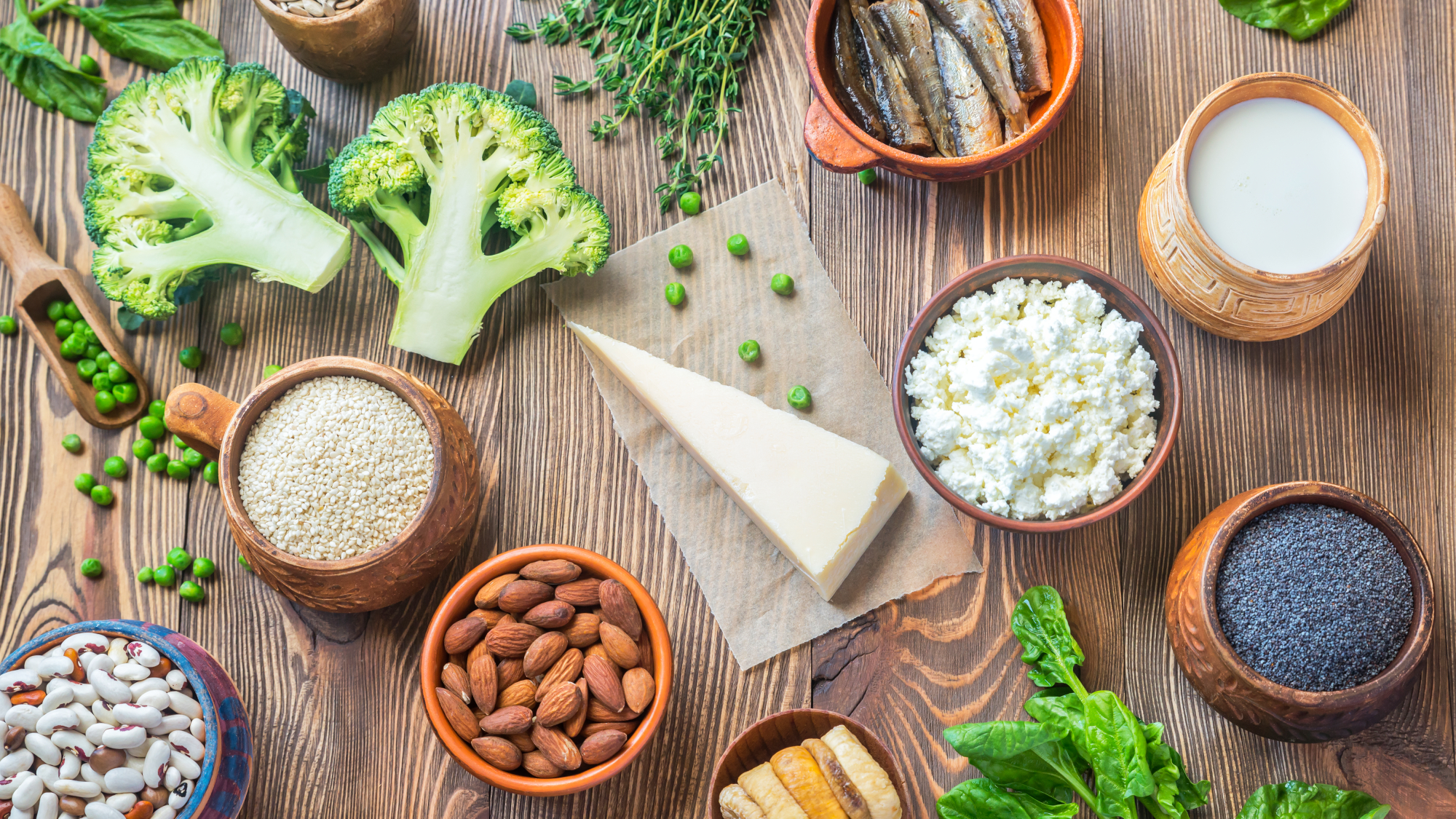
Key calcium-rich foods in West African diets include:
- Dark leafy greens like moringa, amaranth, and waterleaf
- Small fish eaten with bones, such as sardines or dried anchovies
- Sesame seeds, widely used in northern cuisines
- Dairy, like powdered milk or fermented milk (nunu) in pastoral communities
- Calcium-enriched corn pap or porridge in fortified products
Note: While plant-based sources are important, oxalates and phytates in some vegetables can reduce calcium absorption—cooking and fermentation can help counter this.
What it does in your body
Around 99 percent of calcium is stored in your bones and teeth, but the remaining 1 percent is just as critical for:
- Muscle contractions, including your heartbeat
- Nerve signaling, ensuring brain-body communication
- Blood clotting, helping wounds stop bleeding
- Enzyme activity and hormone release
Your body tightly regulates blood calcium levels; if your diet is lacking, it draws from bones—gradually weakening them over time.
Are you getting enough?
Calcium deficiency is widespread in regions with limited dairy intake, including parts of West Africa. Populations at risk include:
- Children and adolescents, during peak bone-building years
- Pregnant and breastfeeding women
- Older adults, particularly postmenopausal women
Common signs of deficiency include:
- Muscle cramps or tingling
- Brittle nails and weak bones
- In the long term: osteopenia or osteoporosis
Calcium needs are also higher when vitamin D is low, as this vitamin helps your body absorb calcium efficiently.
Takeaway tips: Strengthening your calcium intake
- Add leafy greens like moringa to stews and soups often.
- Eat small fish with bones, a calcium treasure.
- Try sesame-based sauces or snacks.
- Use fermented or soaked grains to reduce calcium-blocking compounds.
- Spend time outdoors for natural vitamin D to aid calcium absorption.