What is bioavailability?

admin |

June 22, 2025 |

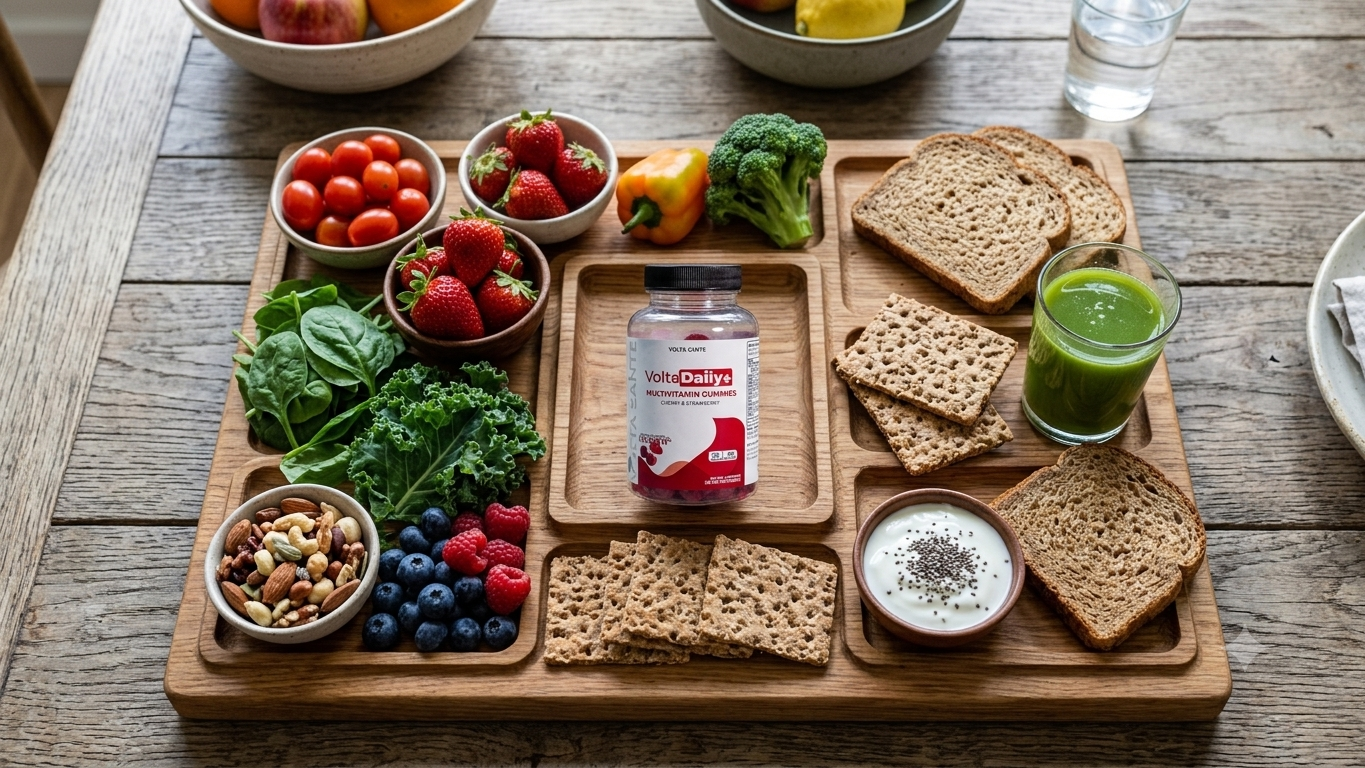
Bioavailability is simply how much of what you ingest from food or supplements enters your bloodstream and can be used by your body. In pharmacology, it refers to the portion of a drug that reaches circulation. In nutrition, it’s about how much of a vitamin, mineral, or compound your body can absorb and use.

For example, while macronutrients like protein and carbs are absorbed at rates above 90%, micronutrients (vitamins, minerals) vary widely and are often absorbed far less efficiently.

Why Does It Matter?

Let's say you spend money on a high-dose supplement and your body doesn’t have the capacity to absorb most of it. I am sure you’ll agree that’s a waste. With low bioavailability, you might not notice any benefits no matter how much you take.

High bioavailability means:

  1. A greater portion of the nutrient works in your body,
  2. You may need lower doses, and
  3. You get real value, nutritionally and financially.

What Influences Bioavailability?

Several factors determine whether a nutrient gets absorbed effectively:

1. Chemical Form

Some varieties of nutrients are easier to absorb.

  • Magnesium glycinate absorbs better than magnesium.
  • Iron bis-glycinate resists absorption inhibitors, unlike other types.

2. Delivery Method

Tablets, capsules, liquids, or powders—different forms are absorbed differently.

  • Liquid or sublingual tinctures often deliver nutrients faster, bypassing digestion.

3. With or Without Food

Fat-soluble vitamins (A, D, E, K) need fat to be absorbed, so take them with meals.

4. Nutrient Interactions

Some nutrients help each other absorb better—vitamin C helps iron, fat helps vitamin D. Others hinder absorption—calcium can interfere with iron.

5. Your Health

Gut health, age, genetics, and metabolism all influence absorption.

How Supplements Boost Bioavailability

Manufacturers may add special forms or enhancers:

  • Chelated minerals – bond minerals to amino acids (e.g., magnesium glycinate) for better absorption.
  • Bioenhancers – compounds like piperine (from black pepper) that block breakdown, raising absorption of curcumin, CoQ10, and vitamins.
  • Micellization and microencapsulation – tiny carriers that shield nutrients until they reach absorption points.
  • Clinical testing – top brands use human studies to confirm that a supplement is absorbed effectively.

What Should You Look For?

When choosing supplements, check:

  • Specific nutrient forms (e.g., “magnesium glycinate” not just “magnesium”).
  • Additives like piperine or micelles.
  • Manufacturers citing clinical research.
  • Minimal fillers or additives.

Real‑World Examples

  • Iron: Non-heme iron (plant form) is less bioavailable than heme iron but activated iron bis-glycinate helps bypass inhibitors.
  • Curcumin: It’s poorly absorbed orally. Mixing it with fat or piperine dramatically boosts its uptake.
  • Calcium: Carbonate needs acid and food; citrate works without food but contains less elemental calcium.

Bottom Line

Bioavailability determines how much of your supplement works. Without considering it, you might be paying for supplements your body just passes through.

Smart supplementing means:

  1. Choosing effective forms,
  2. Taking them in the right way and at the right time,
  3. Avoiding nutrient blockers,
  4. Backing choices with science.

When you prioritize bioavailability, you get real support from every supplement you take, to the delight of your health and your wallet.


RECENT POSTS

Electrolytes

Hydration is not just water: the mineral side of feeling well

Hydration is more than drinking water. It is the balance of fluid and minerals that helps your muscles move, nerves communicate, body temperature stay steady, and mind remain clear. When heat, sweat, stress, or poor food choices disturb that balance, you may feel tired, foggy, cramped, or simply unwell even when you are drinking plenty daily enough throughout the day.

read more...
Stretcher

The energy gap: why you feel tired even after sleeping

You can sleep through the night and still wake up tired. That tiredness may be your body’s way of asking for better hydration, deeper rest, steadier routines, more movement, or stronger nutritional support. This article explains the energy gap and how small daily habits can help you feel more refreshed, focused, and ready for the day.

read more...
Morning Run

Your morning sets your metabolism: how to start the day well

Your morning does more than begin your day. It sends signals to your body about energy, focus, hydration, movement, and rhythm. A few simple choices after waking can help you feel more alert, steady, and prepared. This guide explores practical morning habits that support metabolism, mental clarity, and everyday wellness without making the routine complicated.

read more...
Coconut oil

Coconut Oil: Tropical and Traditional in African Cuisine

In East and West African coastal communities (Kenya, Tanzania, Ghana, Nigeria, the Seychelles) coconut oil is not new. It is ancient. Pressed from the white flesh of mature coconuts, this oil plays a vital role in stews, rice dishes, and porridges like maharagwe ya nazi (Kenyan coconut bean stew) or ekpang nkukwo (Nigerian cocoyam dish). Coconut trees grow along tropical belts and their oil represents food, medicine and economy.

read more...
Groundnut oil

Groundnut Oil: The people’s choice in African kitchens

The oil pressed from peanuts, groundnut or peanut oil, is a staple in many West African kitchens, prized for its mild nutty flavor, high heat cooking stability and heart friendly fat profile. This article explores its cultural roots, nutritional makeup, health benefits and risks, and how to use it wisely for a healthier life while staying true to tradition.

read more...
Frequently Asked Question

Supplements that boost productivity: Fuel your focus, energy, and brainpower

Mental fatigue can slow down even the best routines. Certain supplements may help support focus, energy, memory, and stress resilience when paired with healthy habits. From B vitamins and omega-3s to magnesium and rhodiola, this guide explores science-backed options that can help you stay sharp, productive, and mentally balanced throughout long workdays, study sessions, and demanding schedules.

read more...
Omega 3

Kids and omegas: Supporting growth and brain health

Omega-3 fatty acids play an essential role in children’s brain development, vision, growth, and immune health from pregnancy through adolescence. This article explores the benefits of DHA and EPA, highlights child-friendly omega-rich foods commonly found in African diets, and shares practical nutrition tips for parents and caregivers looking to support healthy development naturally through everyday family meals.

read more...