You went to bed. You closed your eyes. The night passed. Yet the morning arrives and your body still feels heavy. You slept, but you do not feel restored.
That space between hours slept and energy felt is the energy gap.
The energy gap does not always mean you need more sleep. Sometimes, it means your sleep is not deep enough. Sometimes, your daytime habits are working against your nighttime recovery. And sometimes, your body is missing the support it needs to turn rest into real vitality.
Sleep time is not the same as sleep quality
Many people measure sleep only by the number of hours. But the body also cares about depth, rhythm, breathing, and recovery. If your sleep is broken, restless, too late, or too light, you may spend enough time in bed without waking up refreshed.
Snoring, waking often, morning headaches, dry mouth, or heavy daytime sleepiness can be signs that your sleep deserves closer attention. If tiredness continues even when you are trying to rest well, speak with a healthcare professional.
Dehydration can make fatigue worse
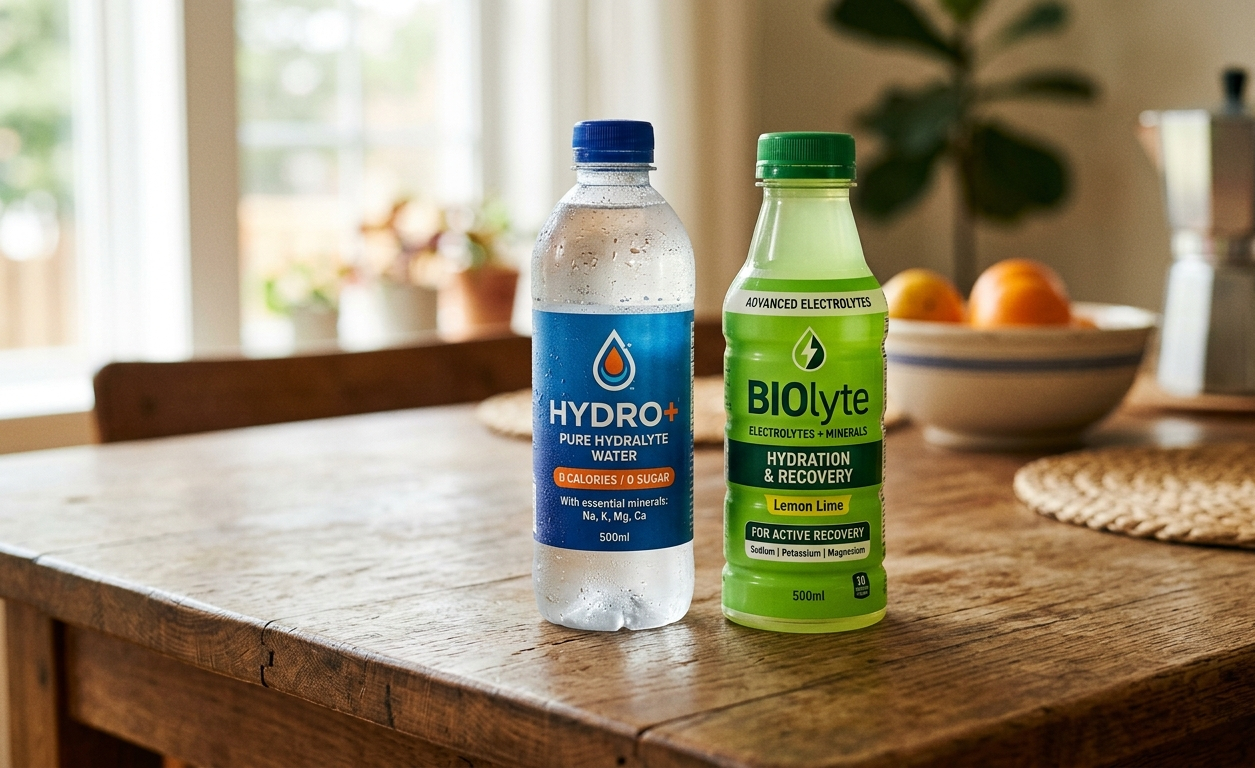
Energy begins with basic body function, and hydration is one of the basics. After a long night, the body naturally wakes up needing fluid. If you begin the day dry and stay that way, your focus, mood, digestion, and physical energy can all suffer.
This does not mean forcing water. It means creating a rhythm. Start with a glass in the morning. Drink steadily through the day. Pay attention to heat, sweating, thirst, and urine color.
Sometimes the body is not asking for another stimulant. It is asking for water.
Stress can steal tomorrow’s energy
Stress can create the illusion of energy. It pushes you forward and keeps you alert. But stress is expensive. When your body spends the whole day in tension, it may struggle to settle into deep recovery at night.
This is why some people feel wired in the evening and exhausted in the morning. The body never fully comes down.
A calmer night often begins earlier in the day. Short walks, breathing breaks, less late-night scrolling, and a clear stopping point for work can help the body understand that the day is ending.
Nutrient gaps can affect how you feel
Food gives the body fuel, but vitamins and minerals help the body use that fuel. B vitamins, iron, magnesium, vitamin C, zinc, and other nutrients support normal energy metabolism, oxygen transport, muscle function, and everyday wellness.
When your daily diet is inconsistent, repetitive, or low in nutrient-dense foods, your energy may feel inconsistent too. Build meals around whole foods when you can. Include colorful fruits and vegetables, quality protein, healthy fats, legumes, grains, nuts, seeds, and mineral-rich foods.
A daily multivitamin can also help support a consistent wellness routine when life gets busy.
Movement helps the body wake up
It may sound strange, but sitting all day can make you feel more tired. The body needs movement to support circulation, alertness, mood, and metabolic health.
You do not need an intense workout to begin closing the energy gap. A short walk, a few stretches, light mobility, or movement breaks during the day can help.
The bottom line
Feeling tired after sleeping is not always about laziness or lack of discipline. It may be a signal. Your body may need better sleep quality, more hydration, less stress, more movement, or stronger nutritional support.
The solution is not to chase quick energy all day. The better approach is to build a rhythm your body can trust.
Sleep well. Hydrate. Move. Manage stress. Nourish your body. Support your routine consistently. That is how you begin to close the energy gap.