
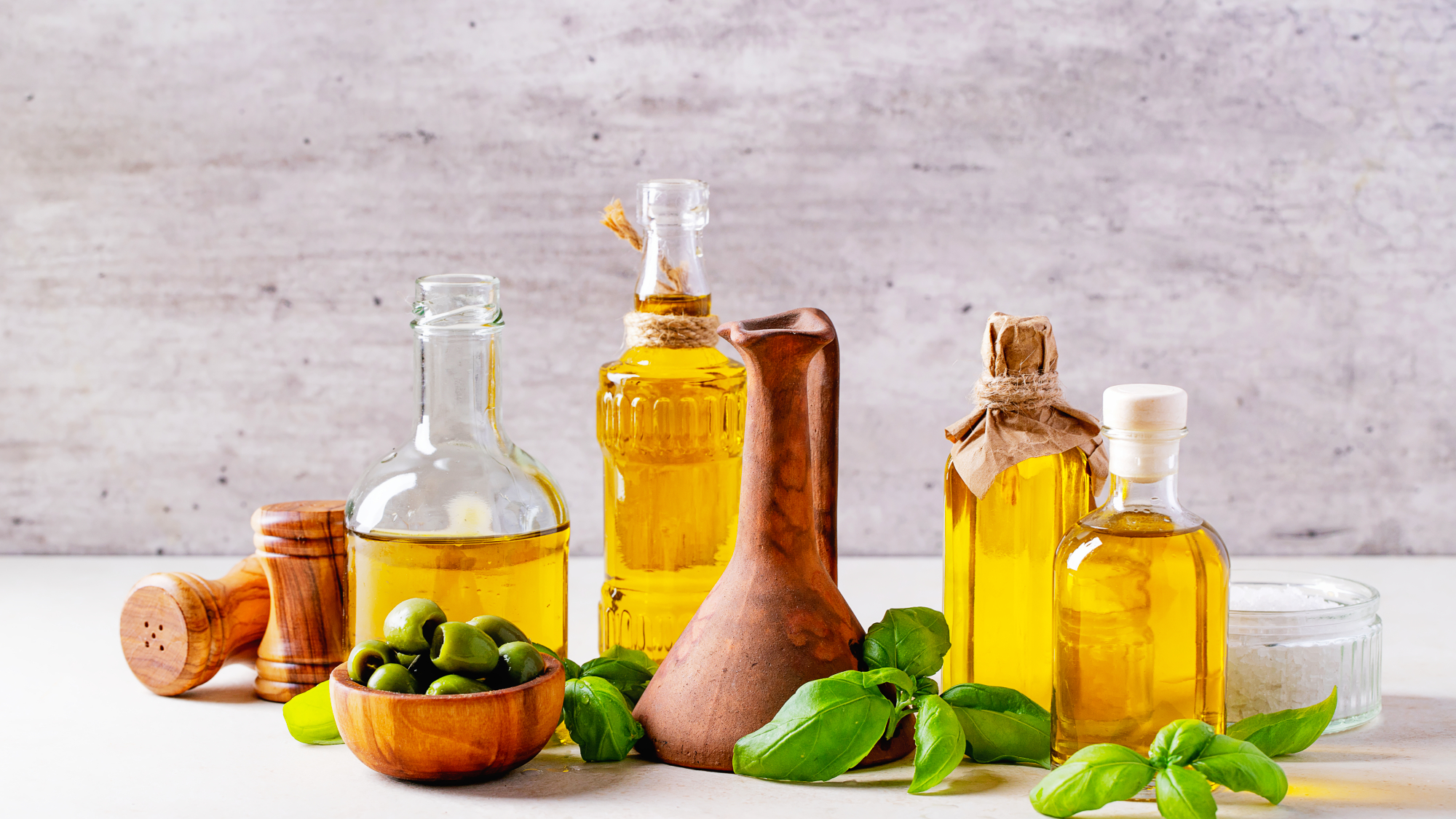
Your kitchen is quiet in the morning. Light spills across the counter. A pan warms. You reach for a bottle without thinking. Oil is ordinary. It sits there like water or salt. Familiar. Trusted.
But oil is not simple. It carries a story from soil to seed to flame, and finally into your body.
For decades, cooking oils have been framed as heroes or villains. Butter was cast out. Vegetable oils took its place. Then the tide shifted again. Coconut oil rose. Seed oils fell under suspicion. The narrative keeps changing, and the truth feels harder to grasp.
So what is really happening inside that bottle?
Cooking oils are made of fats, and fats are not all the same. Some are stable, able to withstand heat without breaking down. Others are fragile, easily damaged when exposed to high temperatures. When oil degrades, it can form harmful compounds that stress the body over time.
This is where heat matters.
Oils like olive oil and avocado oil contain more monounsaturated fats. These tend to be more stable during cooking. On the other hand, many common vegetable oils are rich in polyunsaturated fats. These are more delicate. Under high heat, they oxidize faster, which can lead to the formation of free radicals.
Free radicals are unstable molecules. Inside the body, they can damage cells, proteins, and even DNA. Over time, this kind of damage is linked to chronic conditions such as heart disease and inflammation.
But the issue is not just chemistry. It is also processing.
Many widely used oils are refined through high heat and chemical extraction. This process strips away nutrients and can introduce unwanted residues. What remains is a neutral oil designed for shelf life, not health. It performs well in factories and fast-food kitchens. Inside the body, it offers little beyond calories.
In contrast, less processed oils retain more of their natural compounds. Extra virgin olive oil, for example, contains antioxidants and anti-inflammatory compounds that have been studied for their role in heart health. These benefits are not accidental. They come from minimal processing and careful handling.
Still, even the best oil can become harmful if misused.
Heating any oil beyond its smoke point causes it to break down. The smoke you see is not just vapor. It is a signal that the oil is degrading. Repeated heating, common in deep frying, accelerates this process. Each cycle pushes the oil further from nourishment toward toxicity.
The real problem is not a single oil. It is the pattern of use.
In modern diets, oils are everywhere. They are hidden in packaged foods, snacks, dressings, and restaurant meals. Consumption adds up quietly. What seems like a small amount becomes a constant presence.
The body responds to patterns, not moments.
So what should you do?
Choose oils that match the way you cook. Use stable oils for high heat. Save delicate oils for low heat or finishing. Look for minimally processed options when possible. And most importantly, pay attention to quantity.
Oil is dense. A little goes far.
Your kitchen does not need to be a place of confusion. It can be a place of awareness. The bottle you reach for each day is not just an ingredient. It is a decision repeated over time.
And small decisions, repeated daily, shape the body more than any single meal ever will.








