Food first, supplements second: how to build a realistic wellness routine

admin |

July 2, 2026 |

Wellness becomes confusing when everything is presented as a miracle. One product promises more energy. Another promises better sleep. Another promises clearer skin, stronger immunity, sharper focus, and a completely new life by next week.

But the body does not work that way.

Real wellness is usually built slowly, through repeated choices. It comes from what you eat, how you move, how you sleep, how you manage stress, how you hydrate, and how consistently you support your body.

That is why a good wellness routine should begin with a simple principle: food first, supplements second.

This does not mean supplements are not useful. They can be. It simply means they should support the foundation, not replace it.

Food is the foundation

Food gives the body more than calories. It provides protein, fats, carbohydrates, fiber, vitamins, minerals, antioxidants, and thousands of natural compounds that work together in ways no single supplement can fully copy.

A plate of vegetables does more than deliver vitamin C. Beans do more than provide minerals. Fish does more than provide protein. Nuts and seeds do more than offer healthy fats. Whole foods bring nutrients together in a natural package.

This is why your daily eating pattern matters.

A realistic wellness routine should include more whole foods, more color, more fiber, more mineral-rich foods, and fewer highly processed choices. That does not mean perfection. It means direction.

You do not need to eat perfectly to improve your health. You need to eat intentionally more often than you eat carelessly.

Supplements fill gaps, not excuses

Supplements are best understood as support. They can help fill nutritional gaps when your diet is not as complete as it should be. They can support specific wellness goals such as energy, immunity, bone health, or healthy aging. They can also help people who have busy lives, limited food variety, or increased nutritional needs.

But supplements should not become an excuse to ignore food.

A multivitamin cannot replace vegetables. Magnesium cannot replace rest. Vitamin C cannot undo weeks of poor nutrition. Omega-3 cannot cancel a lifestyle that never includes movement.

That is not a criticism of supplements. It is simply honesty.

The best use of supplementation is not to rescue a poor routine. It is to strengthen a good one.

Build your routine around repeatable habits

Many wellness plans fail because they are too ambitious. People try to change everything at once. They buy new products, start new workouts, follow strict rules, and then stop after a few days because the routine does not fit real life.

A better approach is to build a routine you can repeat.

Start with hydration. Drink water daily and pay attention to heat, sweating, and thirst.

Add movement. Walk, stretch, lift, clean, garden, dance, or do anything that keeps the body active.

Improve your food pattern. Add more whole foods before obsessing over what to remove.

Protect your sleep. Give your body a chance to recover.

Then, add supplements where they make sense.

This order matters because it keeps wellness realistic. It also prevents the mistake of treating supplements as the main event.

Make supplementation easy to remember

The most effective wellness routine is usually the one you can actually follow.

If you take a daily supplement, connect it to a habit you already have. Keep it near your water bottle, tea cup, work bag, or evening routine. Choose a time that feels natural and repeatable.

Do not build a routine that depends on motivation. Motivation changes. Systems last longer.

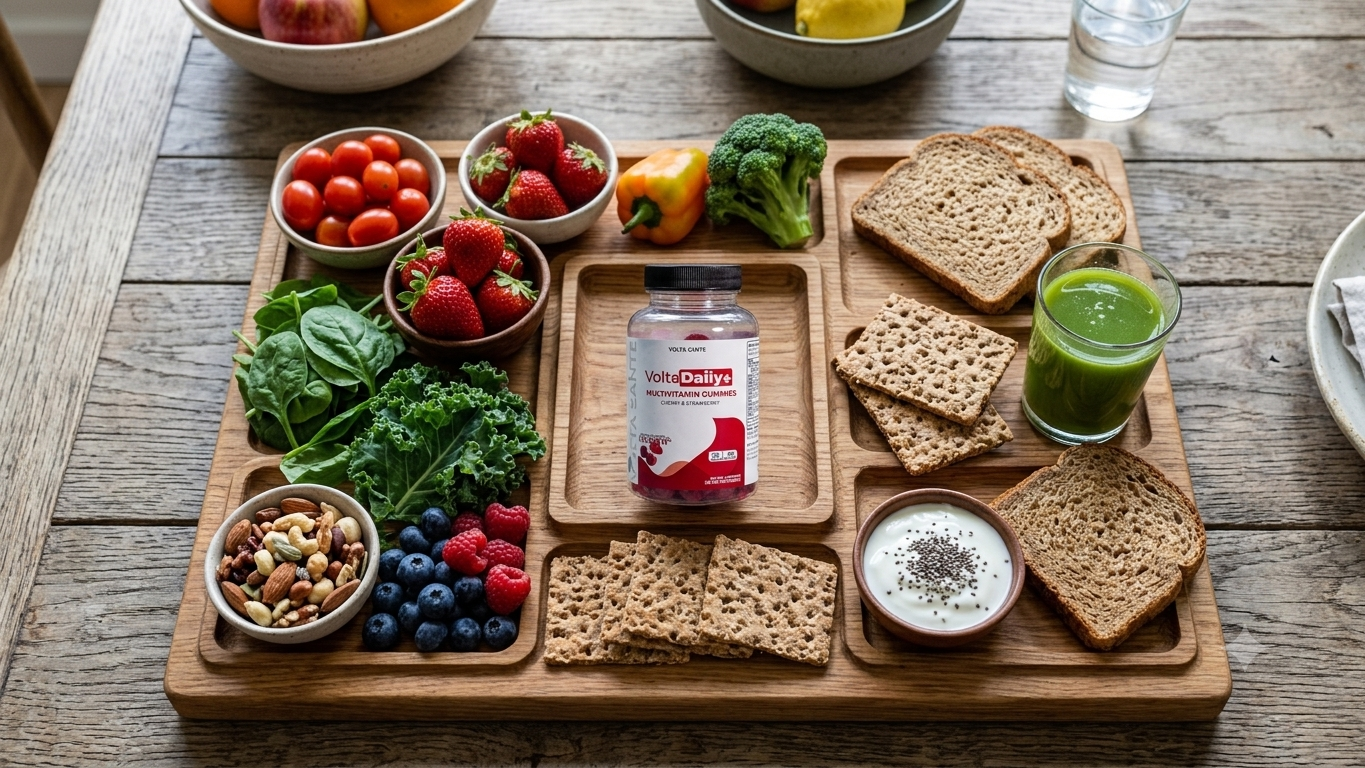
A daily multivitamin such as Volta Daily + can be part of a simple wellness rhythm. It is not a replacement for food, movement, hydration, or rest. It is a daily support designed to complement the habits that already help the body function well.

That is the right way to think about supplements: not as magic, but as support.

Avoid overpromising to yourself

Wellness becomes healthier when expectations become honest.

You may not feel dramatic changes overnight. You may not notice every nutrient working. You may not wake up one morning feeling completely transformed.

That does not mean the routine is useless.

The body often improves through quiet consistency. Better hydration. Better digestion. More steady energy. Fewer crashes. More regular movement. Better sleep patterns. Stronger daily discipline.

These changes may not feel dramatic at first, but they matter.

A realistic routine should be judged by whether it helps you live better over time, not whether it creates instant excitement.

The bottom line

Food first, supplements second is not a rejection of supplements. It is a better way to use them.

Eat real food. Drink water. Move daily. Rest well. Manage stress. Then use supplements to support the body where support is needed.

That is how wellness becomes practical.

Not extreme.
Not confusing.
Not built on promises.

Just steady, honest, repeatable care for the body you live in every day.

RECENT POSTS

Electrolytes

Hydration is not just water: the mineral side of feeling well

Hydration is more than drinking water. It is the balance of fluid and minerals that helps your muscles move, nerves communicate, body temperature stay steady, and mind remain clear. When heat, sweat, stress, or poor food choices disturb that balance, you may feel tired, foggy, cramped, or simply unwell even when you are drinking plenty daily enough throughout the day.

read more...
Stretcher

The energy gap: why you feel tired even after sleeping

You can sleep through the night and still wake up tired. That tiredness may be your body’s way of asking for better hydration, deeper rest, steadier routines, more movement, or stronger nutritional support. This article explains the energy gap and how small daily habits can help you feel more refreshed, focused, and ready for the day.

read more...
Morning Run

Your morning sets your metabolism: how to start the day well

Your morning does more than begin your day. It sends signals to your body about energy, focus, hydration, movement, and rhythm. A few simple choices after waking can help you feel more alert, steady, and prepared. This guide explores practical morning habits that support metabolism, mental clarity, and everyday wellness without making the routine complicated.

read more...
Coconut oil

Coconut Oil: Tropical and Traditional in African Cuisine

In East and West African coastal communities (Kenya, Tanzania, Ghana, Nigeria, the Seychelles) coconut oil is not new. It is ancient. Pressed from the white flesh of mature coconuts, this oil plays a vital role in stews, rice dishes, and porridges like maharagwe ya nazi (Kenyan coconut bean stew) or ekpang nkukwo (Nigerian cocoyam dish). Coconut trees grow along tropical belts and their oil represents food, medicine and economy.

read more...
Groundnut oil

Groundnut Oil: The people’s choice in African kitchens

The oil pressed from peanuts, groundnut or peanut oil, is a staple in many West African kitchens, prized for its mild nutty flavor, high heat cooking stability and heart friendly fat profile. This article explores its cultural roots, nutritional makeup, health benefits and risks, and how to use it wisely for a healthier life while staying true to tradition.

read more...
Frequently Asked Question

Supplements that boost productivity: Fuel your focus, energy, and brainpower

Mental fatigue can slow down even the best routines. Certain supplements may help support focus, energy, memory, and stress resilience when paired with healthy habits. From B vitamins and omega-3s to magnesium and rhodiola, this guide explores science-backed options that can help you stay sharp, productive, and mentally balanced throughout long workdays, study sessions, and demanding schedules.

read more...
Omega 3

Kids and omegas: Supporting growth and brain health

Omega-3 fatty acids play an essential role in children’s brain development, vision, growth, and immune health from pregnancy through adolescence. This article explores the benefits of DHA and EPA, highlights child-friendly omega-rich foods commonly found in African diets, and shares practical nutrition tips for parents and caregivers looking to support healthy development naturally through everyday family meals.

read more...