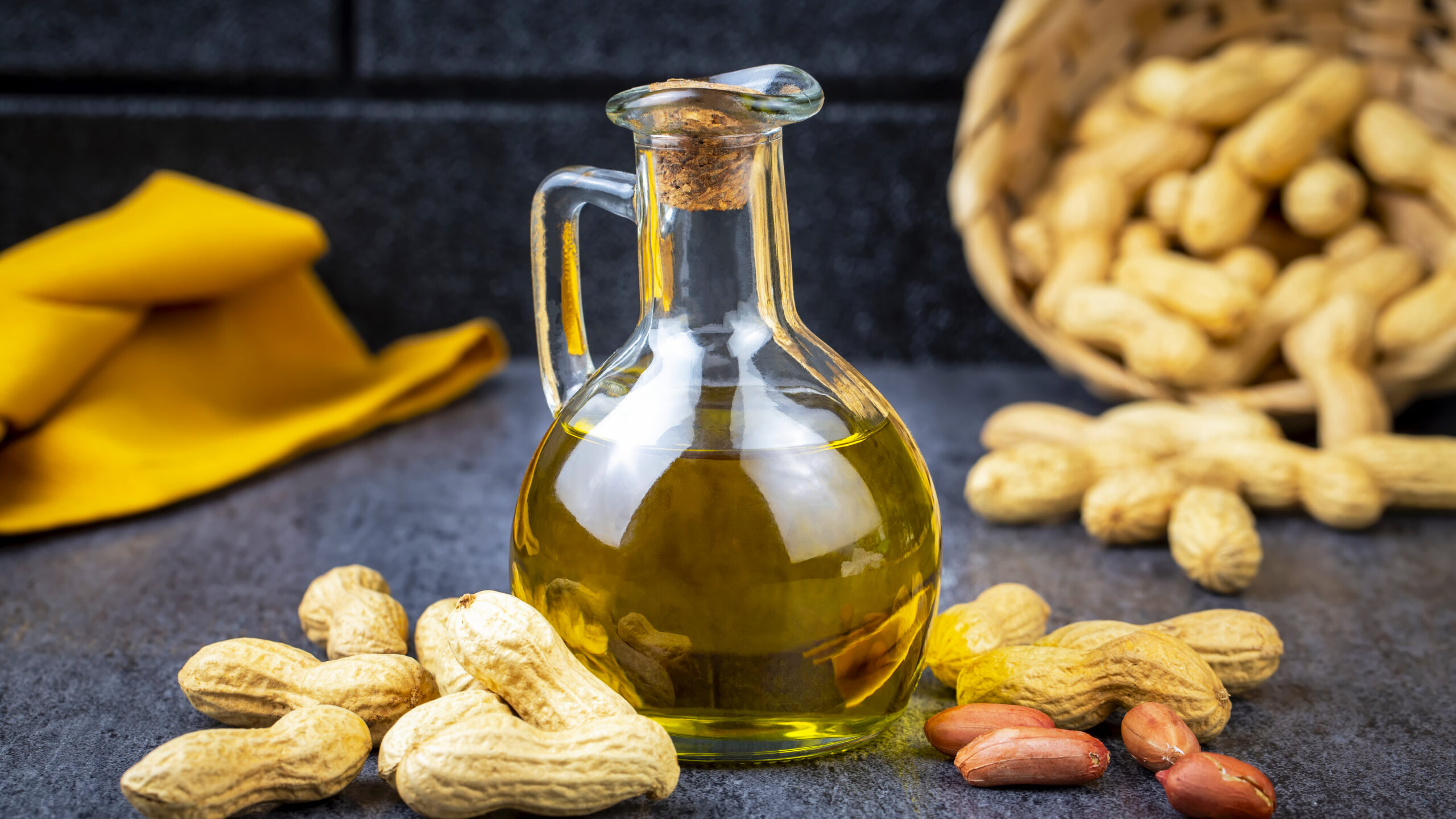
In many West African homes, oil from the humble peanut (or groundnut) has long held a place of honour. From frying akara/koose fritters to flavouring stews, the mild nutty aroma of groundnut oil is familiar and comforting. It connects the kitchen to local crops, trade networks, and generations of cooks adapting staple foods to modern kitchens.
Nutrition & key features
Groundnut (peanut) oil stands out with a balanced profile of fats and good heat stability:
- It’s rich in monounsaturated fats (oleic acid) and contains polyunsaturated fats (linoleic acid) which support health.
- One cooking‑oil review noted that “peanut oil contains a well‑balanced fatty acid and antioxidant profile that provide protection against harmful substances especially free radicals.”
- It has a relatively high smoke point, making it suitable for sautéing and frying.
- It is a good source of vitamin E and phytosterols, plant compounds that help lower cholesterol absorption.
Health benefits
When used thoughtfully, groundnut oil offers several health advantages:
- Heart health: Replacing saturated fats with oils rich in monounsaturated or polyunsaturated fats, such as groundnut oil, may lower LDL (“bad”) cholesterol and reduce cardiovascular risk.
- Blood‑sugar and insulin sensitivity: Some evidence suggests cooking oils such as peanut oil may improve insulin sensitivity and help regulate blood sugar when replacing less healthy fats.
- Cooking practicality: Its stability under higher heat means that when frying dishes common in African cuisine, groundnut oil is a safer choice than some highly polyunsaturated oils which oxidize more easily.
Risks & considerations
Yet the oil is not without its caveats:
- Omega‑6 balance: Groundnut oil contains significant omega‑6 fatty acids. While these fats are essential, modern diets may already be high in omega‑6 and low in omega‑3, raising concerns of imbalance.
- Allergy risk: Because the oil comes from peanuts, individuals with peanut allergies must exercise caution. Some refined peanut oils may be safe, but cold‑pressed or less processed versions may still pose risk.
- Oxidation: Although it is fairly stable, repeated high‑heat reuse or prolonged exposure to heat/light can degrade oil quality and produce harmful compounds
- Calories & moderation: Like all oils, groundnut oil is calorie‑dense. A healthy diet uses it as one part of many fats, rather than the only fat.
Practical guidance for use
To make the most of groundnut oil while minimizing risks:
- Use cold‑pressed or minimally processed when available, to retain nutrients.
- Ideal usage: Sauté, shallow‑fry, or pan‑fry traditional dishes that call for groundnut oil. Its high smoke point makes it apt for these methods.
- Mix and rotate oils: Use groundnut oil as part of a rotation: some days groundnut, other days olive, sesame, or other oils rich in different fats. This helps avoid over‑reliance on one oil and balances fat types.
- Avoid reusing excessively: For frying, aim to use fresh oil or limit reuse to avoid oxidation.
- Use in dishes where its mild flavor fits: Groundnut oil’s light nutty taste works beautifully in West African stews, fritters, bean & peanut‑based dishes.
- Watch portion size: Incorporate the oil into meals rich in vegetables, legumes and whole grains so that fat doesn’t dominate calories.
What’s Next?
Groundnut oil is a strong contender in the African kitchen. It combines tradition, suitability for local cooking styles, and a favorable fat profile when used correctly. It offers heart‑friendly fats, antioxidant benefits and high‑heat stability, but calls for moderation, rotation and awareness of allergies.
In the next article, we’ll turn to tropical and seed oils such as coconut oil and sesame oil: their unique roles, health angles and how they fit (or don’t) in a healthy African‑cuisine‑based diet.