
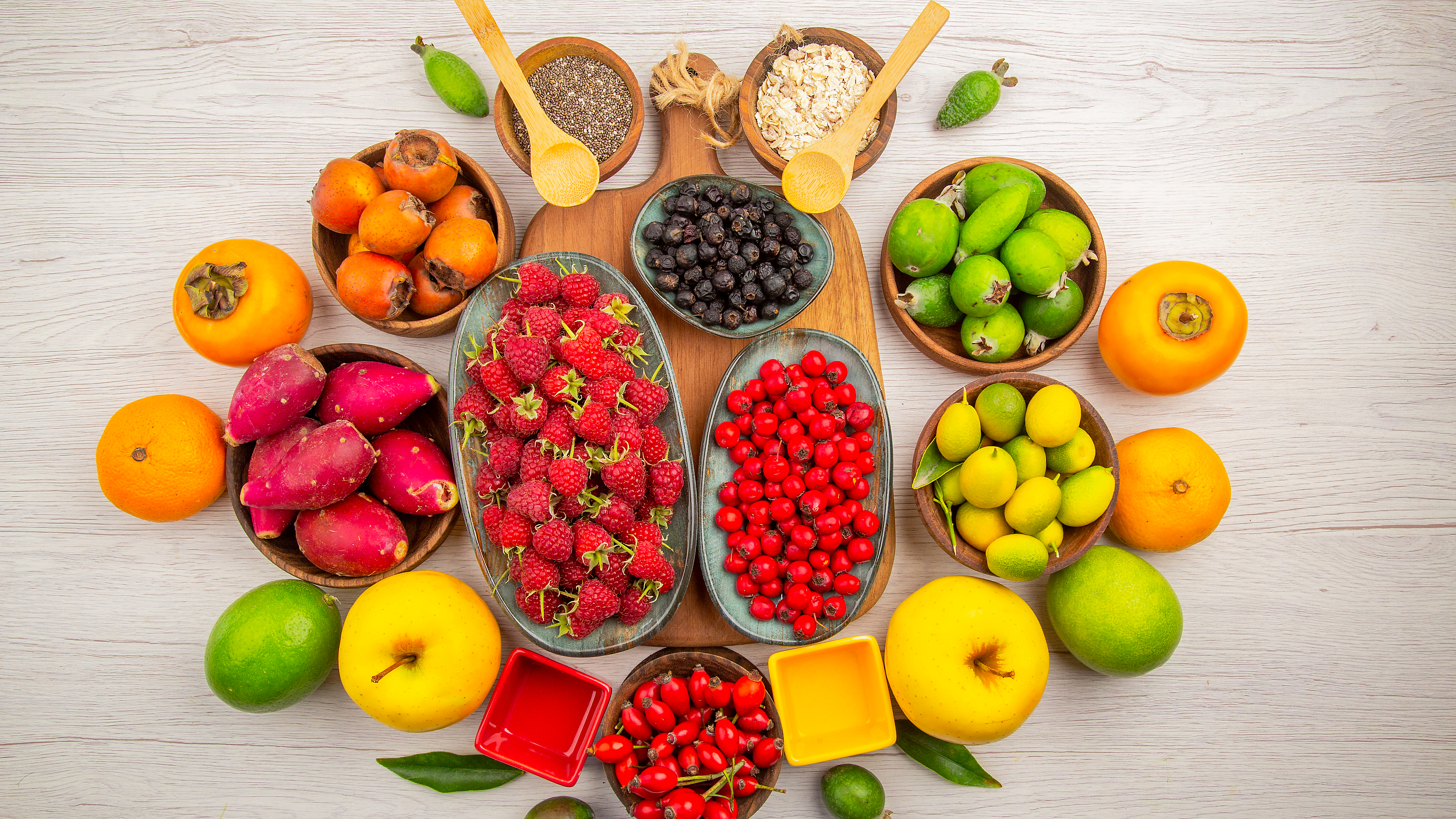
What are antioxidants?
You've likely seen the word "antioxidants" on food labels, supplement bottles, or health blogs like Volta Sante, but what exactly are they?
In simple terms, antioxidants are compounds that protect your cells from damage caused by unstable molecules called free radicals. These free radicals form naturally in the body during metabolism, but they can also come from outside sources like pollution, radiation, cigarette smoke, and processed foods.
When there are too many free radicals and not enough antioxidants to neutralize them, it leads to a condition known as oxidative stress, a key contributor to aging, inflammation, and chronic diseases like cancer, diabetes, and heart disease.
How antioxidants work
Antioxidants work like tiny bodyguards. They donate electrons to free radicals, stabilizing them and preventing them from harming your cells. Think of them as your body’s internal clean-up crew, always working behind the scenes to keep things running smoothly.
There are hundreds of different antioxidants, and they work together in harmony. Some are made by your body (like glutathione), while others come from food or supplements.
Types of antioxidants
Some of the most important and well-known antioxidants include:
- Vitamin C – water-soluble; found in fruits like oranges, strawberries, and kiwi
- Vitamin E – fat-soluble; found in nuts, seeds, and vegetable oils
- Beta-carotene – a precursor to Vitamin A; found in carrots, sweet potatoes, and leafy greens
- Selenium – a trace mineral found in Brazil nuts, seafood, and eggs
- Polyphenols – powerful plant compounds found in berries, tea, red wine, and dark chocolate
- Glutathione – known as the “master antioxidant,” produced by the body
You can learn more about Vitamin C, Vitamin E, and Selenium on our blog.
Health benefits of antioxidants
Here are just a few of the powerful ways antioxidants help keep you healthy:
- Protect cells from oxidative damage
- Support a strong immune system
- Reduce inflammation
- Promote healthy aging and skin vitality
- Support brain health and cognitive function
- Reduce risk of chronic diseases like heart disease, cancer, and diabetes
Studies suggest diets rich in antioxidant-packed foods are linked to lower rates of many age-related conditions and a better quality of life overall.
Should you take antioxidant supplements?
While it’s best to get your antioxidants from whole foods, supplements can play a supportive role, especially if your diet is lacking or your body is under high oxidative stress (e.g., illness, pollution, intense training).
Popular antioxidant supplements include:
- Vitamin C and E
- Cellgevity
- MaxOne
- Coenzyme Q10
- Alpha-lipoic acid
- Resveratrol
Always consult a healthcare professional before starting high-dose antioxidant supplements, as more is not always better.
The bottom line: Antioxidants are essential
Antioxidants aren’t a trend, they’re a cornerstone of long-term health. They protect your body from the inside out, support cellular health, and help you stay strong, energized, and resilient.
A colorful, plant-rich diet is the best way to ensure your body gets the full spectrum of these health-boosting compounds. Think fruits, vegetables, nuts, seeds, and spices. If you are not receiving enough antioxidants from your diet, food supplements can bridge the gap most effectively.
Your body is constantly exposed to stress and toxins. Give it the defense system it deserves—with the right antioxidants.
Want more wellness insights?
Explore our growing library of health articles, including the Vitamin Series and the Mineral Masterclass Series. At Volta Santé, we believe informed wellness leads to empowered living.








