Micronutrients, vitamins and minerals, are essential for full-body health. Going without enough of these key nutrients can lead to fatigue, weakened immunity, and impaired brain function. Let’s break down the most common deficiencies, their warning signs, and what you can do to prevent them.
The most common deficiencies
Across the globe, deficiencies in iron, vitamin A, zinc, iodine, and folate (B9) are widespread, particularly among children and pregnant women. Even in developed countries, vitamin D, B12, and iron deficiencies remain surprisingly common.
Warning signs to watch for
Some common symptoms might be more than just “tired.” Unexplained fatigue, consistent hair loss, brittle nails, or slow wound healing could all be subtle clues. Other red flags include:
- Severe hair loss or feeling cold may suggest iron deficiency anemia.
- Tingling in hands or burning tongue might point to low vitamin B12 levels.
- Bleeding gums or persistent bruising may signal a vitamin C deficiency.
- Night blindness could be caused by low vitamin A.
- Muscle cramps, tremors, or heart irregularities may be linked to magnesium deficiency.
Why these deficiencies matter
Iron deficiency is especially concerning because it affects about 2 billion people globally and causes anemia, which can hold back cognitive function in children and lead to complications during pregnancy. Vitamin A deficiency is the leading cause of preventable blindness in children, particularly in developing countries. Vitamin D deficiency is also pervasive, leading to bone pain, fatigue, and mood changes.
Who is most at risk
- Infants, children, and pregnant women globally are highly vulnerable.
- Older adults often face lower vitamin D and B12 levels due to reduced absorption and limited sun exposure.
- Individuals following restrictive diets, like vegans or those with food allergies, may lack key nutrients such as iron or B12.
Prevention through food and screening
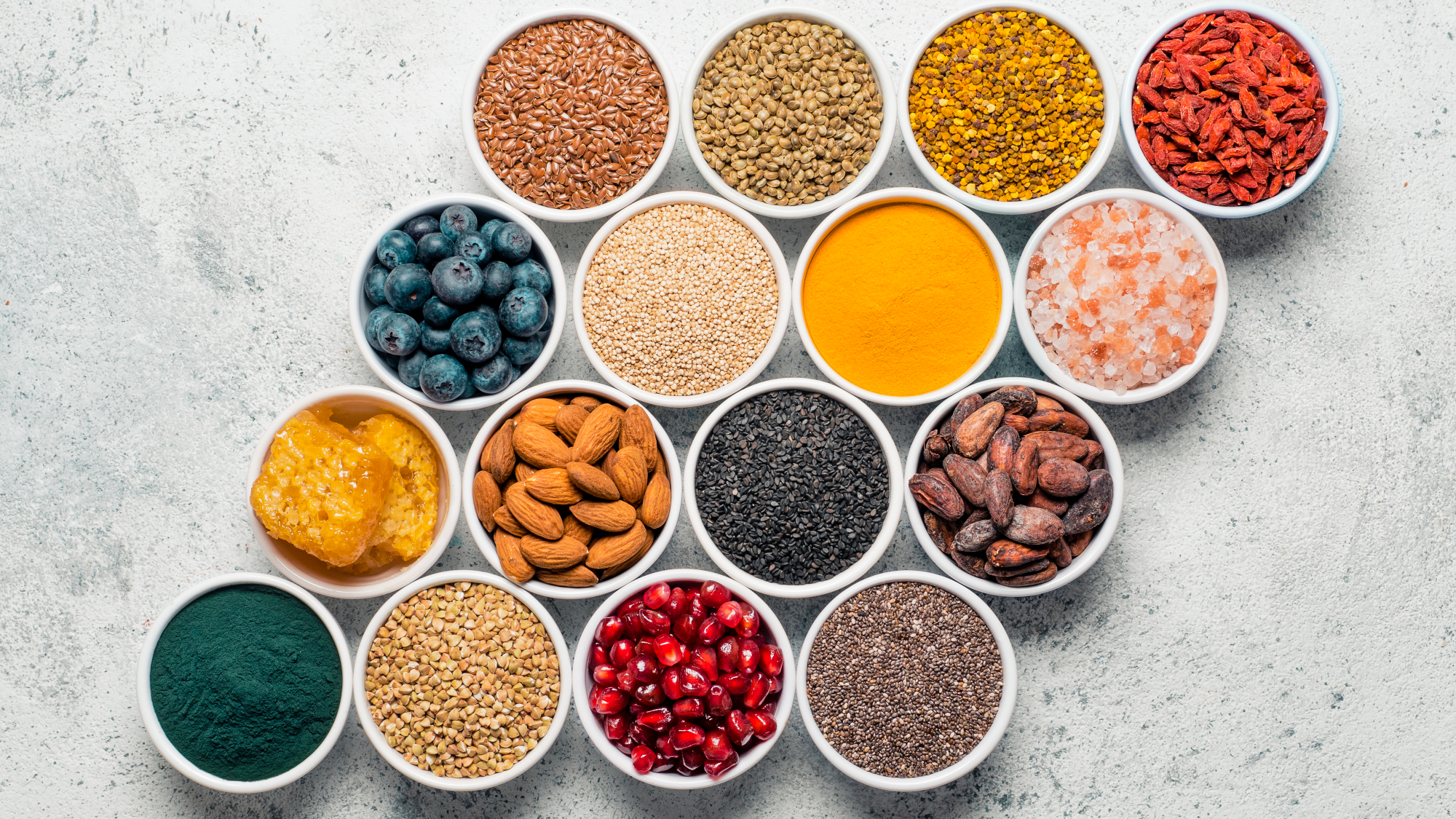
Eating a variety of whole foods is the best defense. Include leafy greens, lean meats, dairy, legumes, nuts, seeds, and fortified foods to cover a wide range of vitamins and minerals. In certain situations, such as pregnancy, aging, dietary restrictions, or diagnosed deficiencies, supplements may be needed under medical guidance.
It’s important to act early. Routine blood tests can reveal hidden deficiencies before symptoms become severe. Your doctor or nutritionist can then recommend tailored dietary changes or supplements.
conclusion
Vitamin and mineral deficiencies are more common than many realize and can affect anyone. By recognizing the early signs and maintaining a diverse, nutrient-rich diet, you can protect your health and prevent long-term harm.