When you hear the terms vitamins and minerals, you might think they’re interchangeable. Both are vital nutrients, yet they differ fundamentally in their biology, sources, and roles. Here’s a breakdown that makes their differences easy to understand.
What are vitamins?
Vitamins are organic compounds, meaning they contain carbon and are produced by living organisms like plants and animals. In humans, they are essential because the body cannot produce most of them in sufficient amounts.
They are categorized into two groups:
- Fat‑soluble vitamins (A, D, E, and K) are absorbed alongside dietary fats and stored in the liver and fat tissue.
- Water‑soluble vitamins (vitamin C and B‑complex) dissolve in water and are not stored long-term. Any excess is eliminated through urine.
Because of their delicate structures, vitamins can be degraded by heat, air, or acid, making cooking and storage methods important.
What are minerals?
Minerals are inorganic elements that come from soil and water. They do not contain carbon and remain stable even under heat or processing.
We get minerals primarily through plant or animal foods because these organisms absorb them from the environment right into their tissues.
Two subtypes of minerals:
- Macro minerals are needed in larger amounts, such as calcium, potassium, sodium, and magnesium.
- Trace minerals, such as iron, zinc, copper, iodine, and selenium, are needed in smaller amounts but are still vital for health.
Biological roles and why they matter
Though both vitamins and minerals are classified as micronutrients, their roles and how the body handles them differ significantly.
Vitamins act as co‑enzymes or precursors in important body processes. For example, many B vitamins assist in turning food into energy, while vitamin C supports immunity and collagen production.
Minerals often provide structural or functional support, like calcium in bones, potassium for heart and nerve function, and iron for oxygen transport in blood.
Stability and handling
Because vitamins are organic and unstable, cooking or prolonged storage can reduce their potency. Water‑soluble vitamins are especially vulnerable.
In contrast, minerals retain their chemical structure even after cooking or processing, which means foods rich in minerals generally remain reliable sources even post‑preparation.
Health implications
Deficiency in any vitamin or mineral can lead to health problems:
- Vitamin deficiencies can cause a range of issues. From scurvy (vitamin C) to rickets (vitamin D) and anemia (B12).
- Mineral deficiencies, such as iron deficiency, can lead to low energy and poor immune function, while inadequate calcium impairs bone health.
The body processes these nutrients differently. Fat‑soluble vitamins can accumulate, so taking too much might be harmful. Minerals like iron can be toxic at excessive levels.
Bringing it all together
To sum up:
- Vitamins are organic, fragile, often act as catalysts in metabolic processes, and may be stored or excreted depending on solubility.
- Minerals are inorganic, resilient to heat or storage, and serve structural, enzymatic, and functional roles throughout the body.
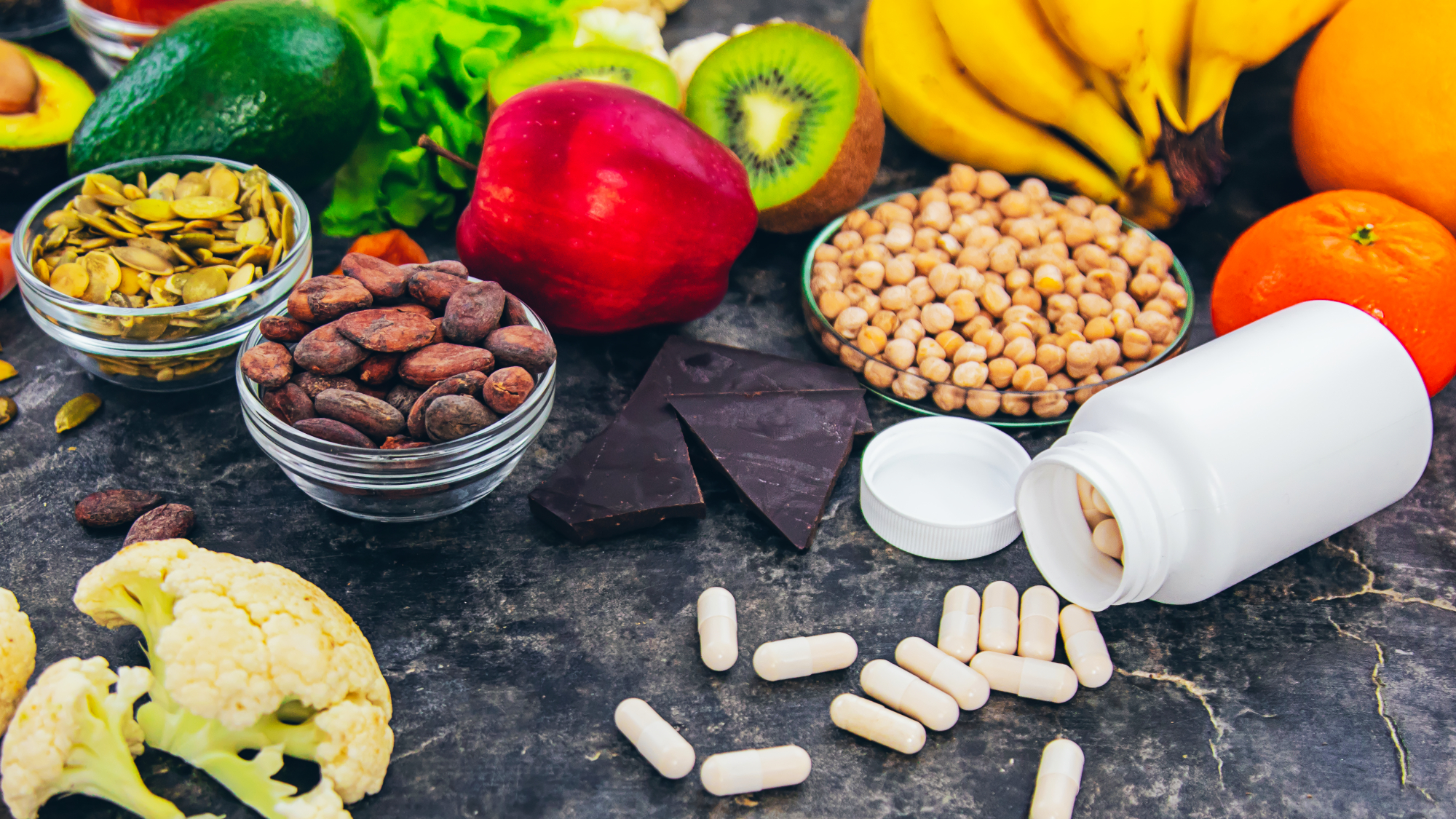
Understanding these differences helps you make smarter food and supplement choices. For balanced nutrition, aim for a variety of whole foods: fresh vegetables and fruits, various proteins, whole grains, dairy or fortified alternatives, and nuts and seeds. This ensures you get both types of micronutrients in a natural, usable form.