Gluten has become a buzzword in nutrition conversations, often surrounded by confusion. You may have seen “gluten-free” labels on supermarket shelves or heard about friends cutting gluten from their diets. But what exactly is gluten, and should you be concerned? Let’s break it down, with a focus on African food traditions.
Understanding gluten
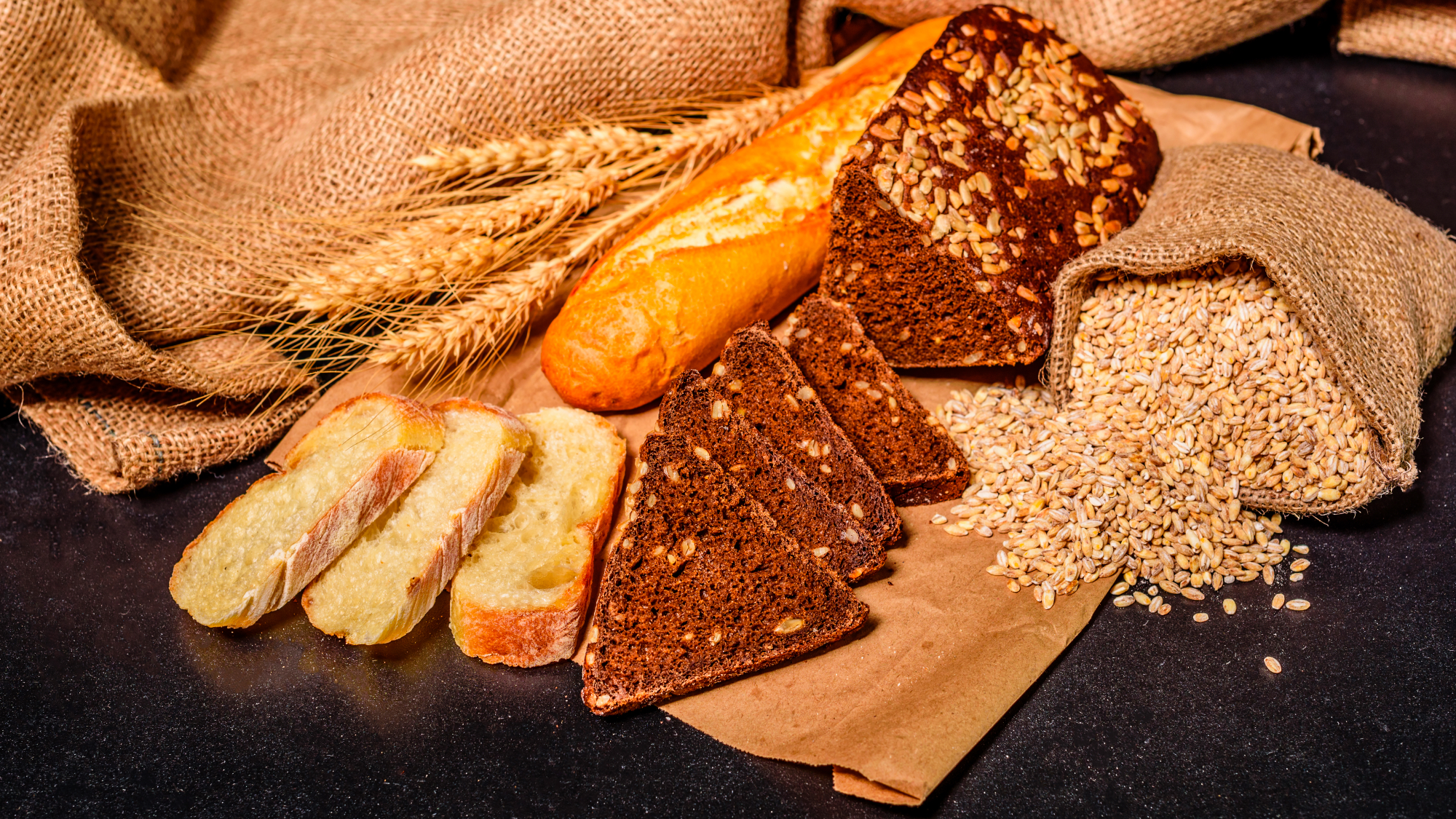
Gluten is a group of proteins found mainly in certain grains such as wheat, barley, and rye. These proteins help dough rise and give bread its chewy texture. While gluten is harmless for most people, it can trigger health problems in individuals with conditions like celiac disease, wheat allergy, or non-celiac gluten sensitivity.
In these cases, eating gluten can cause digestive discomfort, nutrient absorption issues, and other symptoms. If you suspect a gluten-related disorder, consult a qualified healthcare professional for testing and advice.
Gluten in African diets
Traditionally, many African diets are naturally low in gluten because they rely on grains and starches that do not contain it. However, modern food imports and urban diets now include more wheat-based products such as bread, pasta, and pastries.
Being aware of gluten sources helps you make informed choices, whether for medical reasons or general wellness.
Gluten-free vegetables in West and East Africa
The good news is that all fresh vegetables are naturally gluten-free. This means you can enjoy a wide variety without worrying about gluten content. Here’s a list of vegetables common in West African and East African cuisines that are safe for gluten-free eating:
West African gluten-free vegetables
- Okra
- Cassava leaves
- Garden eggs (African eggplant)
- Bitterleaf
- Spinach (local varieties like alefu and ugu)
- Sweet potato leaves
- Pumpkin leaves
- Amaranth leaves
- Carrots
- Tomatoes
- Onions
- Bell peppers
- Cabbage
East African gluten-free vegetables
- Sukuma wiki (collard greens)
- Kale
- Cowpea leaves (kunde)
- Amaranth leaves (terere)
- Cassava leaves
- Pumpkin leaves
- Carrots
- Tomatoes
- Onions
- Bell peppers
- Green beans
- Cabbage
- Zucchini
Tips for reducing gluten intake
If you want to lower gluten in your diet without losing variety, you can:
- Choose local gluten-free grains like millet, sorghum, fonio, and teff.
- Cook traditional vegetable stews with naturally gluten-free starches like cassava, yam, or sweet potato.
- Experiment with gluten-free flours such as cassava flour or chickpea flour for baking.
- Read labels on packaged foods, especially sauces and seasonings, which may contain hidden gluten.
Final takeaway
Gluten is not inherently bad, but for some people, avoiding it is essential for good health. African cuisines, especially in rural and traditional contexts, offer a wealth of naturally gluten-free options. By understanding where gluten hides and celebrating our vegetable diversity, you can enjoy balanced, wholesome meals whether you eat gluten or not.