Fonio benefits: the ancient super grain for vitamins and minerals

admin |

August 30, 2025 |

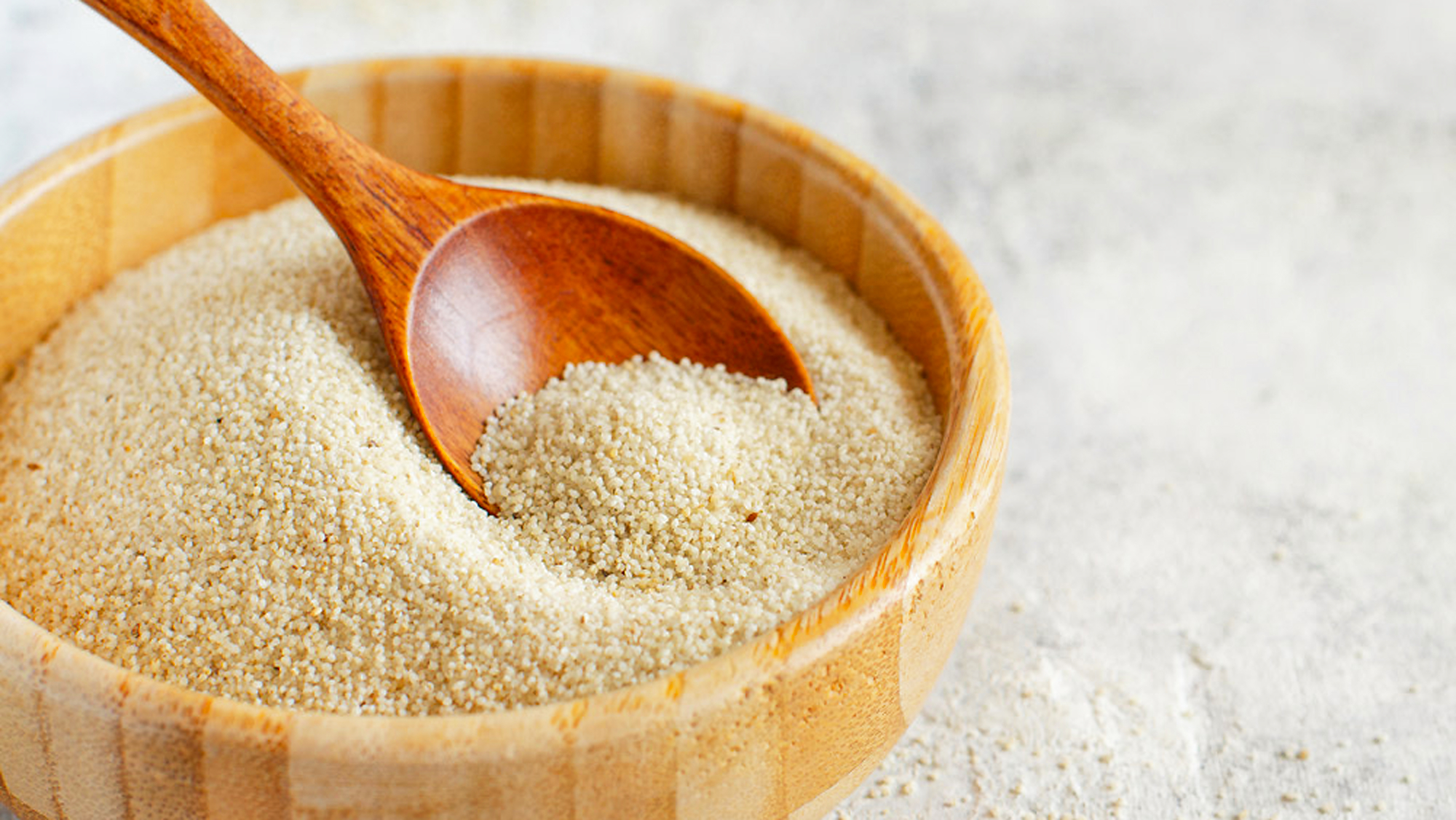
Fonio is a tiny West African cereal with big potential. This gluten-free grain cooks in minutes, carries useful vitamins and minerals, and fits beautifully into home menus across Ghana, Nigeria, Senegal, Guinea and beyond. If you are exploring ancient grains for everyday nourishment, fonio deserves a spot on your table.

What exactly is fonio?

Fonio, also called acha in parts of Nigeria, is one of Africa’s oldest cultivated cereals. It thrives in semi-arid zones, matures quickly, and has long supported food security in Sahel communities. Cooked, it resembles couscous or rice and works in porridges, pilafs and baked goods.

Nutrition highlights

Per 100 g raw grain, fonio provides mostly complex carbohydrates with moderate protein. What makes it stand out is its amino acid profile, with comparatively higher methionine and cysteine than many common cereals. It also supplies B vitamins and minerals such as iron, magnesium, zinc and calcium; exact values vary by variety and soil. Fonio is naturally gluten-free.

Emerging studies show processing methods can improve mineral availability. For example, germination has been associated with increases in iron, magnesium and other minerals in certain fonio varieties.

Potential health benefits

  • Steady energy. Early human and product studies suggest fonio can have a low to moderate glycaemic index, though results vary by recipe, processing and serving size. Reported values range from low in simple porridges to moderate in some commercial products.
  • Micronutrient support. Iron, zinc and magnesium contribute to red blood cell formation, immunity and energy metabolism. Including fonio regularly, alongside iron-rich legumes and leafy greens, may help close nutrient gaps common in the region.
  • Gentle on the gut. Many households consider fonio easy to digest, useful for children and older adults; fibre content varies by milling, with whole-grain options offering more.

Note: Nutrition outcomes depend on overall diet; fonio is not a cure for any disease.

How to enjoy fonio in West African kitchens

  • Breakfast: simmer with water or milk for creamy acha porridge, then top with groundnut, dates or mango.
  • Savory bowls: make a Jollof-style fonio with tomato, onion, pepper and stock; add beans or grilled fish for protein.
  • Couscous swap: steam and fluff as you would attiéké or couscous, then pair with okra stew or garden egg sauce.
  • Baking: blend fonio flour with wheat or sorghum for pancakes and breads to add nuttiness.

Want more ancient grains? See our guides to okra nutrition benefits.

Smart tips

  • Rinse quickly, then toast in a dry pan for extra nuttiness before cooking.
  • Use a 1:2 fonio to water ratio; cover and steam off heat for 5 minutes to keep it fluffy.
  • Combine with cowpea, black-eyed beans or groundnut for a more complete amino acid mix.
  • Choose whole or lightly milled fonio when you want more fibre and minerals.
  • For glucose management, watch portions and pair with vegetables, legumes and healthy fats.

RECENT POSTS

Electrolytes

Hydration is not just water: the mineral side of feeling well

Hydration is more than drinking water. It is the balance of fluid and minerals that helps your muscles move, nerves communicate, body temperature stay steady, and mind remain clear. When heat, sweat, stress, or poor food choices disturb that balance, you may feel tired, foggy, cramped, or simply unwell even when you are drinking plenty daily enough throughout the day.

read more...
Stretcher

The energy gap: why you feel tired even after sleeping

You can sleep through the night and still wake up tired. That tiredness may be your body’s way of asking for better hydration, deeper rest, steadier routines, more movement, or stronger nutritional support. This article explains the energy gap and how small daily habits can help you feel more refreshed, focused, and ready for the day.

read more...
Morning Run

Your morning sets your metabolism: how to start the day well

Your morning does more than begin your day. It sends signals to your body about energy, focus, hydration, movement, and rhythm. A few simple choices after waking can help you feel more alert, steady, and prepared. This guide explores practical morning habits that support metabolism, mental clarity, and everyday wellness without making the routine complicated.

read more...
Coconut oil

Coconut Oil: Tropical and Traditional in African Cuisine

In East and West African coastal communities (Kenya, Tanzania, Ghana, Nigeria, the Seychelles) coconut oil is not new. It is ancient. Pressed from the white flesh of mature coconuts, this oil plays a vital role in stews, rice dishes, and porridges like maharagwe ya nazi (Kenyan coconut bean stew) or ekpang nkukwo (Nigerian cocoyam dish). Coconut trees grow along tropical belts and their oil represents food, medicine and economy.

read more...
Groundnut oil

Groundnut Oil: The people’s choice in African kitchens

The oil pressed from peanuts, groundnut or peanut oil, is a staple in many West African kitchens, prized for its mild nutty flavor, high heat cooking stability and heart friendly fat profile. This article explores its cultural roots, nutritional makeup, health benefits and risks, and how to use it wisely for a healthier life while staying true to tradition.

read more...
Frequently Asked Question

Supplements that boost productivity: Fuel your focus, energy, and brainpower

Mental fatigue can slow down even the best routines. Certain supplements may help support focus, energy, memory, and stress resilience when paired with healthy habits. From B vitamins and omega-3s to magnesium and rhodiola, this guide explores science-backed options that can help you stay sharp, productive, and mentally balanced throughout long workdays, study sessions, and demanding schedules.

read more...
Omega 3

Kids and omegas: Supporting growth and brain health

Omega-3 fatty acids play an essential role in children’s brain development, vision, growth, and immune health from pregnancy through adolescence. This article explores the benefits of DHA and EPA, highlights child-friendly omega-rich foods commonly found in African diets, and shares practical nutrition tips for parents and caregivers looking to support healthy development naturally through everyday family meals.

read more...