
Africa is a continent rich in biodiversity, with a treasure trove of nutrient-packed foods that have nourished communities for centuries. These African superfoods aren’t just traditional staples. They’re nutritional powerhouses that are gaining global attention for their exceptional health benefits.
From antioxidant-rich fruits to gluten-free grains, African superfoods deliver flavor, versatility, and wellness in every bite.
Moringa: The miracle tree
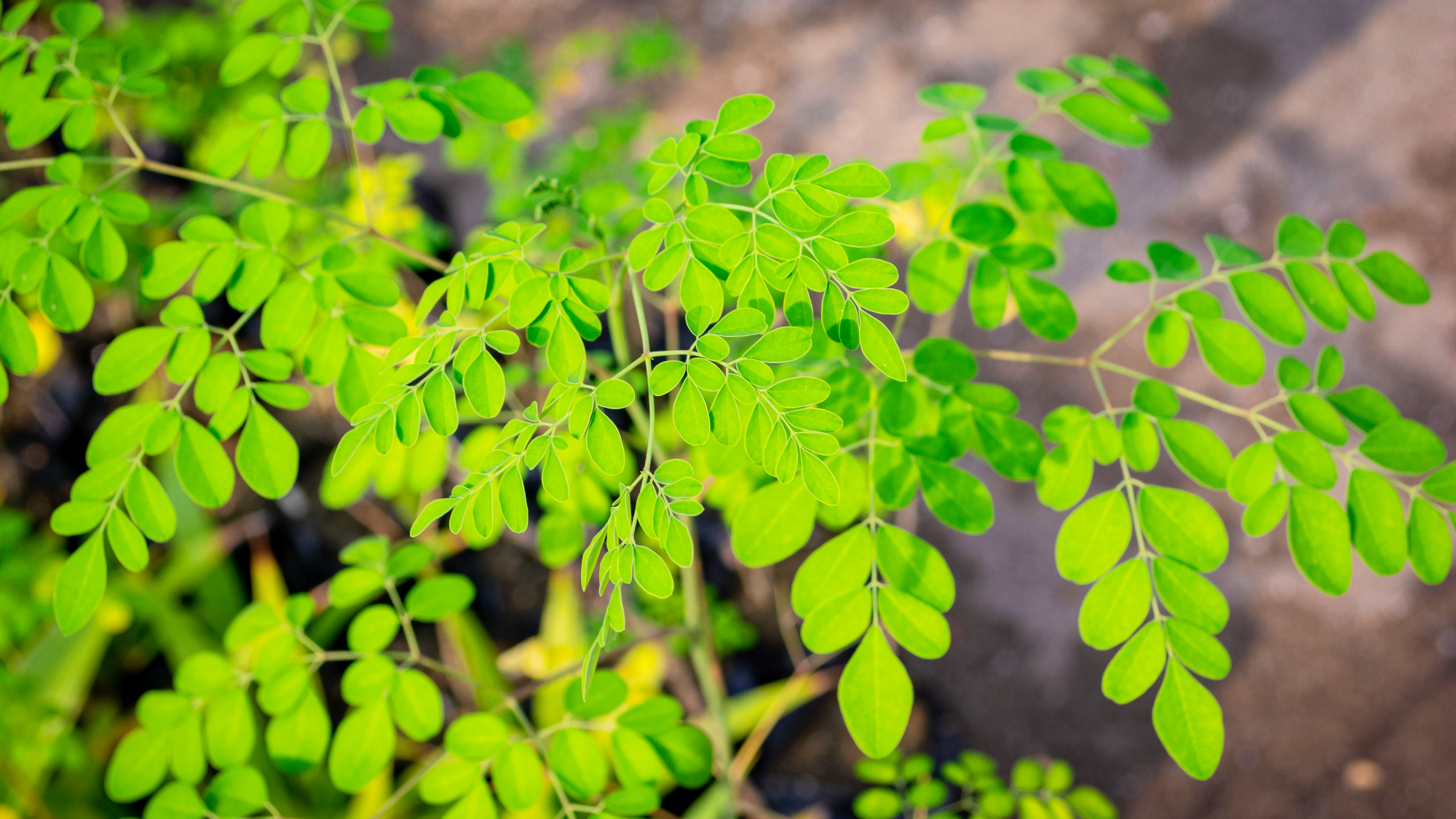
Moringa leaves are one of the most nutrient-dense plants on Earth.
Benefits:
- Packed with vitamins A, C, and E for immune health and skin vitality.
- Rich in plant-based protein, making it a great choice for vegans.
- Contains powerful antioxidants to reduce inflammation.
How to use it:
Add moringa powder to smoothies, soups, or sprinkle over salads. Fresh leaves can be steamed like spinach.
Baobab: The tree of life
Baobab fruit pulp is tangy, sweet, and bursting with nutrition.
Benefits:
- Extremely high in vitamin C to support immunity.
- Rich in prebiotic fiber for gut health.
- Contains calcium, potassium, and magnesium for bone strength.
How to use it:
Blend baobab powder into juices, smoothies, or yogurt for a citrusy boost.
Fonio: The ancient gluten-free grain
Fonio is a tiny, fluffy grain grown in West Africa, prized for its versatility and nutrition.
Benefits:
- Gluten-free and easy to digest.
- High in amino acids essential for human health.
- Provides sustained energy without spiking blood sugar.
How to use it:
Cook fonio like couscous and serve as a side dish, in porridge, or in salads.
Teff: Ethiopia’s super grain
Teff is a tiny grain native to Ethiopia and the key ingredient in injera bread.
Benefits:
- Naturally gluten-free.
- High in protein and dietary fiber.
- Excellent source of iron, supporting healthy blood cells.
How to use it:
Use teff flour in baking or cook it into a hearty porridge.
Lifestyle connection
These superfoods are deeply woven into the daily lives and traditions of African communities:
- Moringa leaves are often added to stews for extra nourishment.
- Baobab is enjoyed as a refreshing drink in hot climates.
- Fonio is a ceremonial food, often served during special occasions.
- Teff is central to Ethiopian culture, symbolizing hospitality and togetherness.
How to incorporate African superfoods into your diet
- Replace rice or couscous with fonio or teff for a nutrient boost.
- Add moringa powder to your morning smoothie for a natural energy lift.
- Use baobab as a natural sweetener and vitamin C supplement.
- Experiment with African-inspired recipes to explore these ingredients in their authentic forms.
The global appeal
As more people seek plant-based, nutrient-dense foods, African superfoods are gaining recognition worldwide. They’re not only rich in health benefits but also offer sustainable farming opportunities for African communities.
Conclusion
African superfoods are more than health trends. They’re part of a living culinary heritage that has sustained people for generations. By adding moringa, baobab, fonio, or teff to your meals, you’re not just nourishing your body. You’re connecting with centuries of wisdom, culture, and tradition.








