Introduction
Yam isn’t just a staple food. It’s a nutritional treasure rooted in tradition and health. Found in many parts of Africa, Asia, the Caribbean, and South America, yam plays a starring role in daily diets and festive dishes. With its rich flavor, high energy content, and remarkable health benefits, yam is more than a simple root vegetable. It’s a fuel for life.
Whether boiled, roasted, pounded, or transformed into delectable side dishes, yam has earned its place as a timeless culinary favorite. In this article, we explore the nutritional powerhouse that is yam, its health benefits, and how you can make it a star in your kitchen.
What is yam?
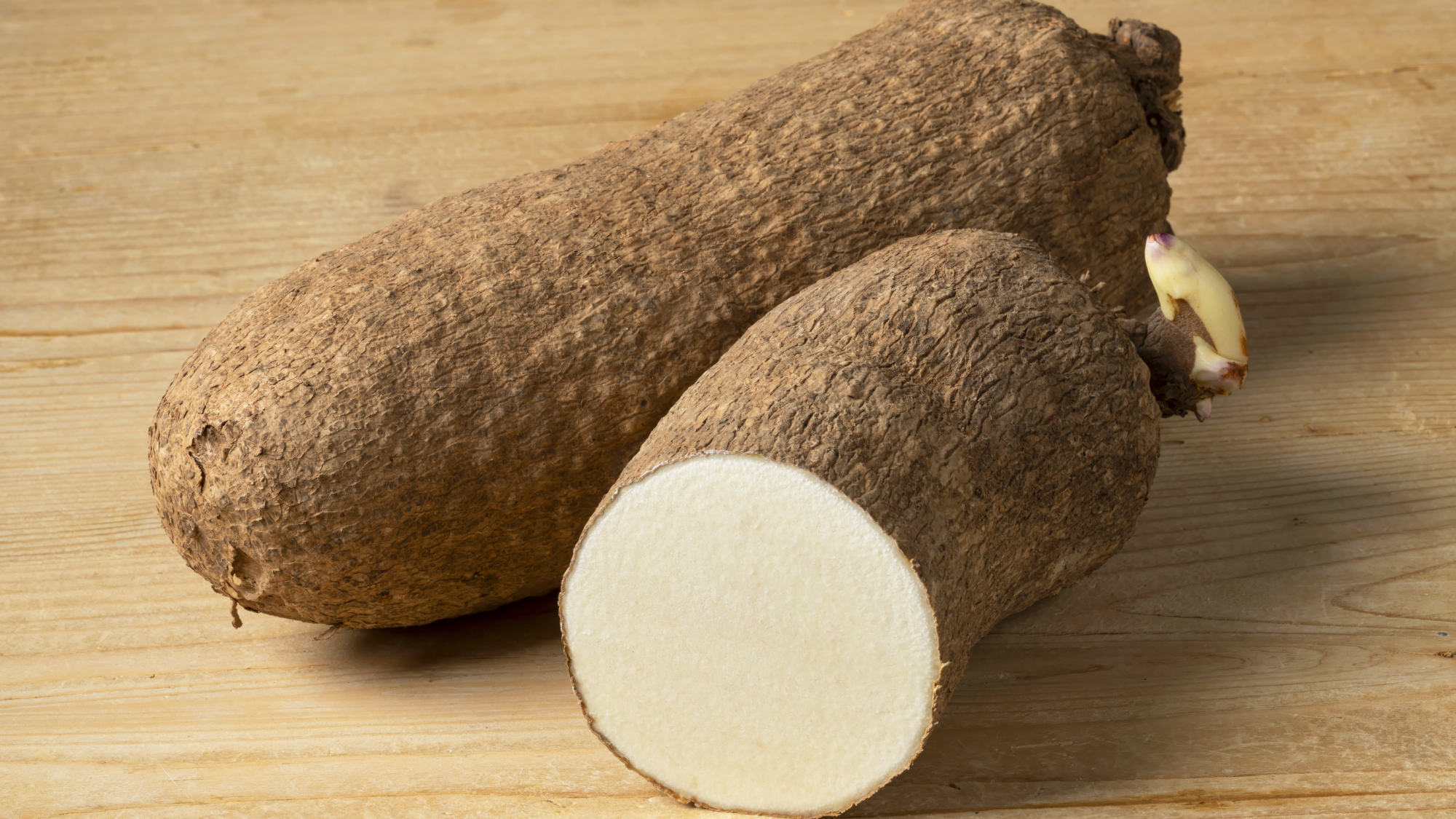
Often confused with sweet potatoes, yam is a starchy tuber native to Africa and Asia. Unlike sweet potatoes, yams have a rough, bark-like skin and can grow very large, sometimes weighing over 5 kg. They come in various varieties, including white, yellow, and water yam, each with its unique texture and taste.
Nutritional value of yam
Yam is a nutrient-dense food packed with energy and essential vitamins and minerals. A 100g serving of yam typically provides:
- Calories: ~118 kcal
- Carbohydrates: 27g
- Fiber: 4g
- Protein: 2g
- Fat: 0.1g
- Vitamin C: Boosts immunity and skin health
- Potassium: Supports heart health and muscle function
- Manganese: Promotes bone health and metabolism
It is naturally gluten-free and an excellent source of slow-release carbohydrates, making it ideal for sustained energy.
Health benefits of yam
Yam isn’t just filling—it’s healing. Here are some of its key health benefits:
1. Sustained energy source
Thanks to its complex carbohydrates, yam releases energy slowly, keeping you fueled for longer periods. It’s perfect for athletes, active individuals, or anyone looking to maintain steady energy levels throughout the day.
2. Supports digestive health
The dietary fiber in yam helps improve digestion, prevent constipation, and maintain a healthy gut.
3. Heart health
Yam’s high potassium content helps regulate blood pressure, while its fiber supports healthy cholesterol levels.
4. Hormonal balance
Some varieties of yam contain diosgenin, a plant compound linked to hormonal regulation, particularly beneficial for women’s reproductive health.
5. Antioxidant properties
Rich in antioxidants, yam helps protect cells from damage, reducing the risk of chronic diseases.
Culinary uses of yam
One of the most appealing things about yam is its versatility. You can:
- Boil or steam: Serve with vegetables, stews, or sauces.
- Roast or bake: Drizzle with a little oil for a crispy, golden treat.
- Pound: Create pounded yam, a beloved West African delicacy often paired with rich soups like egusi or ogbono.
- Fry: Slice into chips or cubes for a crispy snack.
Tip: When cooking yam, avoid over-seasoning so its natural earthy flavor shines through.
How to store yam
To keep yam fresh longer, store in a cool, dry, and well-ventilated place. Avoid refrigeration, as cold temperatures can alter its texture and taste.
Conclusion
From the farm to your plate, yam is a root vegetable worth celebrating. It’s nutrient-packed, energy-rich, and endlessly versatile in the kitchen. Whether you’re seeking a wholesome energy source, a gluten-free alternative, or a cultural culinary experience, yam delivers it all.
So, the next time you’re planning your meals, remember that yam isn’t just food. It’s nourishment, tradition, and vitality in one humble tuber.