
Feeling constantly tired, dizzy, or lacking energy? Iron deficiency might be the suspect. It’s surprisingly common and your diet is key to tackling it head-on. Thankfully, the African diet is naturally rich in foods that boost iron levels. Here are 10 iron-rich foods common in African kitchens that you can enjoy daily to revive your strength, improve your mood, and energize your body.
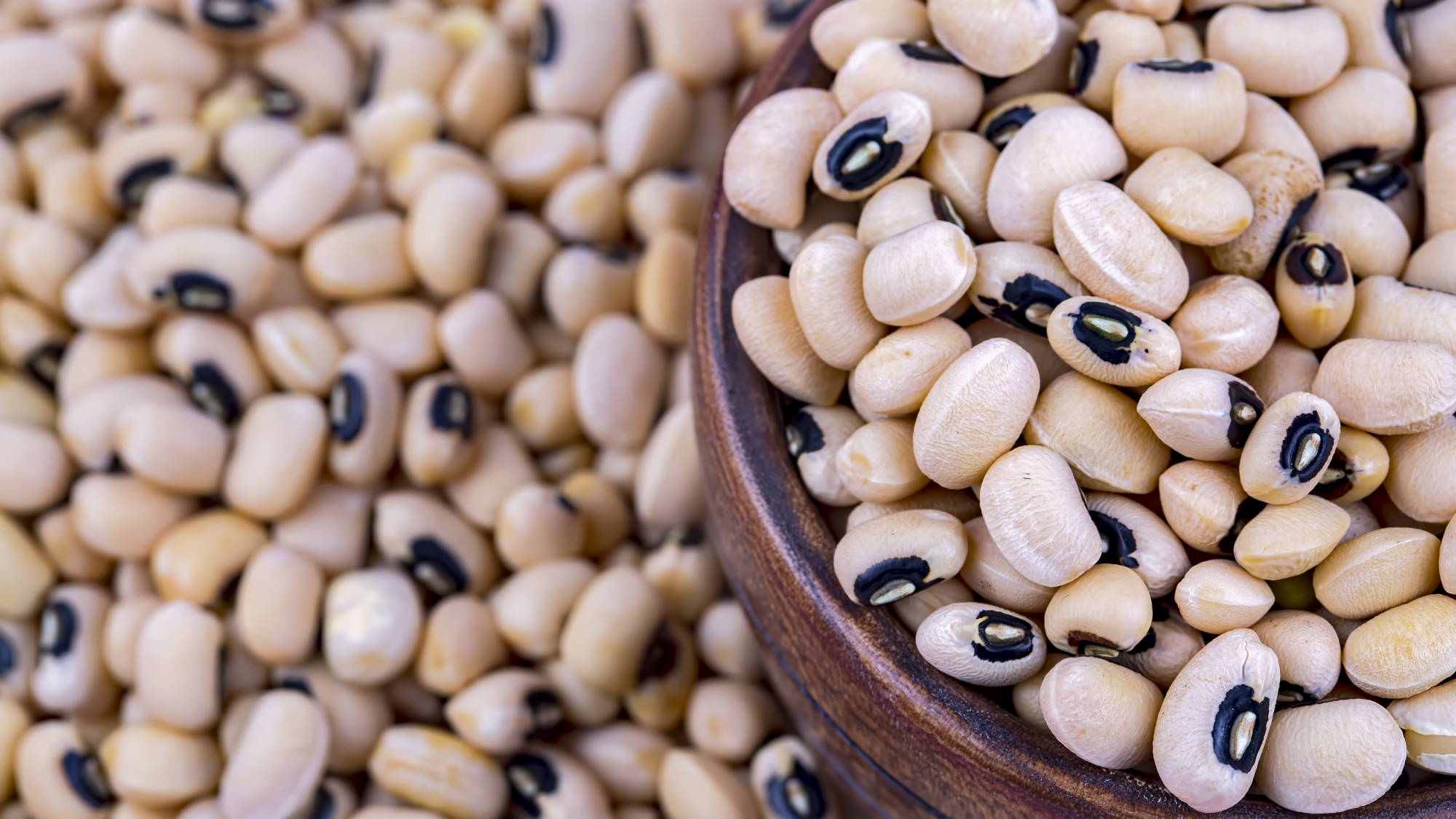
1. Beans (black-eyed peas)
Staple in many African dishes, beans (cowpeas, black-eyed peas) offer around 4.5 mg of iron per cooked cup. Perfect in stews, porridge, or simply boiled with seasoning.
2. Spinach (african spinach/amaranth)
Spinach, particularly the popular African spinach (amaranth leaves), is nutrient-dense, offering about 4-6 mg of iron per cup cooked. Enjoy it sautéed, added to soups, or served alongside staples like ugali or fufu.
3. Sorghum
A traditional African grain, sorghum is rich in iron (about 3 mg per cooked cup). It’s perfect as a nutritious porridge or ground into flour for bread and pancakes.
4. Red meat (beef, goat meat)
Grass-fed beef and goat meat are common protein sources in African diets. They provide easily absorbed heme iron, roughly 2-3 mg per serving, crucial for boosting energy levels.
5. Groundnuts (peanuts)
Groundnuts, enjoyed roasted or in stews, pack around 2 mg of iron per ounce, alongside protein and healthy fats. They’re excellent as snacks or ground into nutrient-rich pastes and sauces.
6. Millet
Millet, an ancient grain widely consumed in Africa, provides about 1.5 mg of iron per cooked cup. Perfect for porridge or fermented dishes like koko (millet porridge), it's easily digestible and nutritious.
7. Liver
Animal liver, especially beef or chicken liver, is incredibly iron-rich, delivering about 5-8 mg per serving. Cooked liver dishes like stews or sautéed liver with spices are common throughout Africa, providing an instant iron boost.
8. Fish (Sardines and Mackerel)
Fresh or dried sardines and mackerel are essential iron-rich protein sources. They offer approximately 2-3 mg per serving. Enjoy in soups, stews, or grilled with spices and vegetables.
9. Cassava Leaves
Popular across Central and West Africa, cassava leaves provide around 3 mg of iron per cooked cup. Rich in vitamins and minerals, they're typically cooked in delicious stews with spices and meats, enhancing both taste and nutritional value.
10. Okra
This nutrient-rich vegetable contains about 1 mg of iron per cup, along with fiber and vitamins. Okra is commonly used in soups, stews, and sauces, serving both culinary and nutritional benefits.
Enhance Iron Absorption for Maximum Benefits
Pair these iron-rich foods with vitamin C sources such as citrus fruits, tomatoes, and peppers, as this increases your body’s ability to absorb iron. Avoid drinking tea or coffee around mealtimes, as they can reduce iron absorption.
Final Thoughts
Iron deficiency doesn’t have to weigh you down. These everyday African foods can easily be incorporated into your daily meals, naturally improving your iron levels, boosting your energy, and enhancing your overall health.
Your kitchen holds the key to fighting iron deficiency—enjoy these delicious, iron-rich foods, and reclaim your vitality!








