Where it begins
Copper is found in igneous and sedimentary rocks, particularly in minerals like chalcopyrite and malachite. As these minerals weather, copper is released into the soil and groundwater, where it becomes available to plants in small but essential amounts.
Soil copper levels vary widely across West Africa. In some regions, over-farmed or eroded soils may be copper-deficient, affecting both crop yield and nutritional value.
How it enters your plate
Copper enters the human diet through a mix of plant and animal foods. West African staples that contribute to copper intake include:
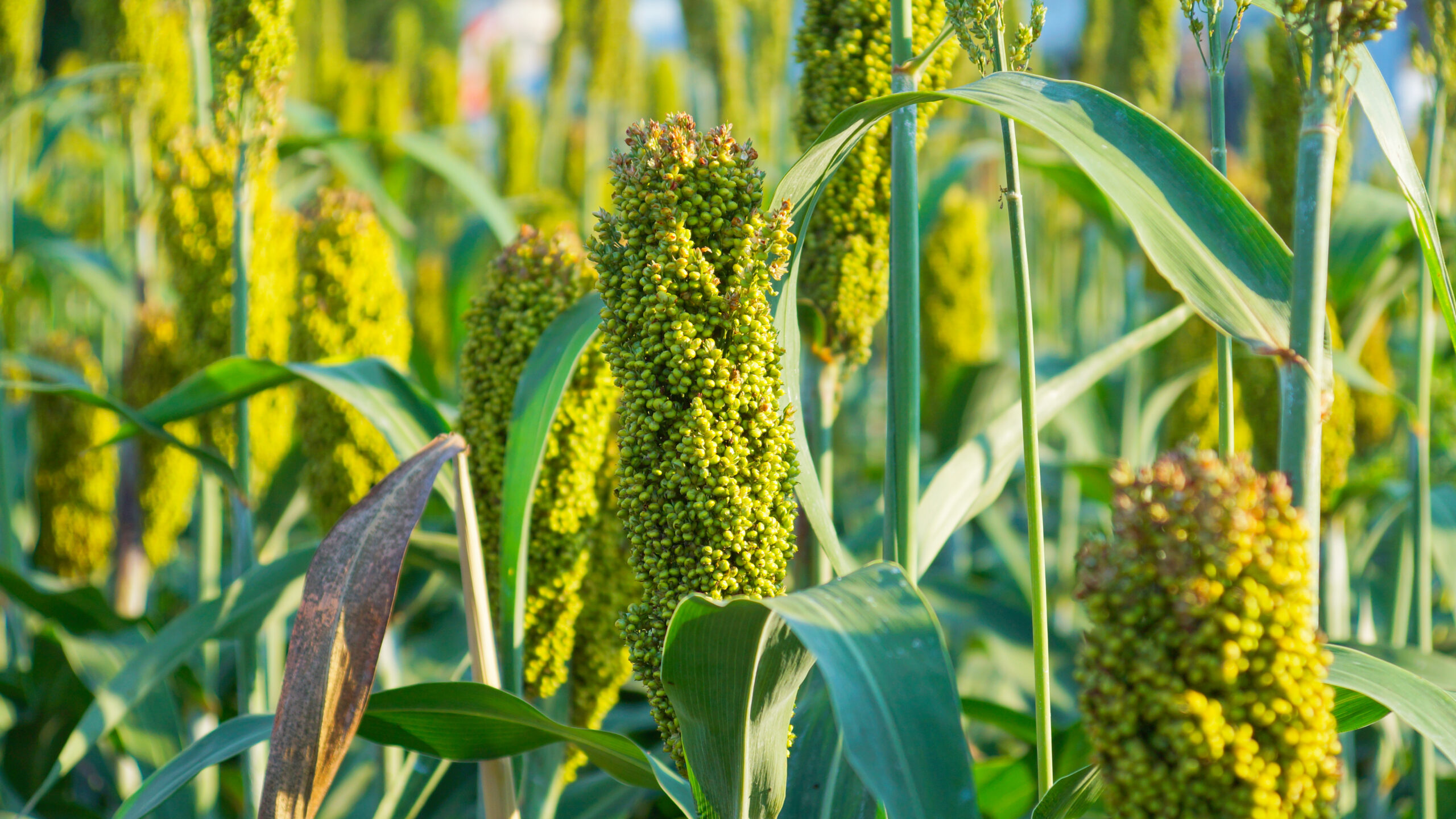
- Millet and sorghum, especially whole grain
- Legumes like cowpea and groundnut
- Shellfish and small fish, including dried shrimp
- Organ meats such as liver
- Seeds, including pumpkin and sesame
- Dark leafy greens like moringa or amaranth
While daily requirements are small, consistent intake from diverse sources is key.
What it does in your body
Though only needed in trace amounts, copper plays a role in several vital functions:
- Red blood cell formation, by helping the body use iron effectively
- Energy production, as a cofactor in mitochondrial enzymes
- Antioxidant defense, through enzymes like superoxide dismutase
- Connective tissue strength, including skin and blood vessels
- Brain development and immune function
Without enough copper, your body struggles to maintain healthy blood, immunity, and energy levels.
Are you getting enough?
Copper deficiency is rare but possible, particularly in cases of:
- Severe malnutrition
- Over-reliance on refined grains or highly processed foods
- Zinc supplementation without copper balance (as excess zinc inhibits copper absorption)
Symptoms of copper deficiency may include:
- Fatigue and weakness
- Pale skin and anemia-like symptoms
- Frequent infections
- Impaired growth or bone fragility
Takeaway tips: Elevating your copper intake
- Eat whole grains like millet or sorghum instead of refined options.
- Include legumes and seeds in everyday meals.
- Add dried shrimp or fish powder to soups and sauces.
- Rotate organ meats, such as liver, for nutrient diversity.