
Manganese: the small mineral with a big impact

Volta Santé Editorial Team |

September 21, 2025 |

Manganese is an essential trace mineral that fuels bone health, metabolism, and antioxidant protection. Your body only needs a little, but without it, your cells, bones, and enzymes cannot function at their best.

Most manganese is stored in the bones, with smaller amounts in the liver, pancreas, and kidneys. Because your body cannot make it on its own, manganese has to come from your diet.

Why your body loves manganese

  • Builds a stronger frame
    Manganese works with calcium and vitamin D to keep bones sturdy and resilient.
  • Turns food into fuel
    It is key for breaking down carbs, proteins, and fats into energy.
  • Shields your cells
    As part of the antioxidant enzyme superoxide dismutase, manganese helps neutralize harmful free radicals.
  • Helps you heal
    This mineral activates enzymes that support tissue repair and wound recovery.

West African favorites packed with manganese

West African cooking offers a delicious lineup of manganese-rich foods:

  • Millet and sorghum in porridges, breads, and fermented dishes
  • Yams and sweet potatoes for fiber, flavor, and extra vitamins
  • Okra for hearty stews and soups
  • Leafy greens like spinach, amaranth leaves, and moringa leaves
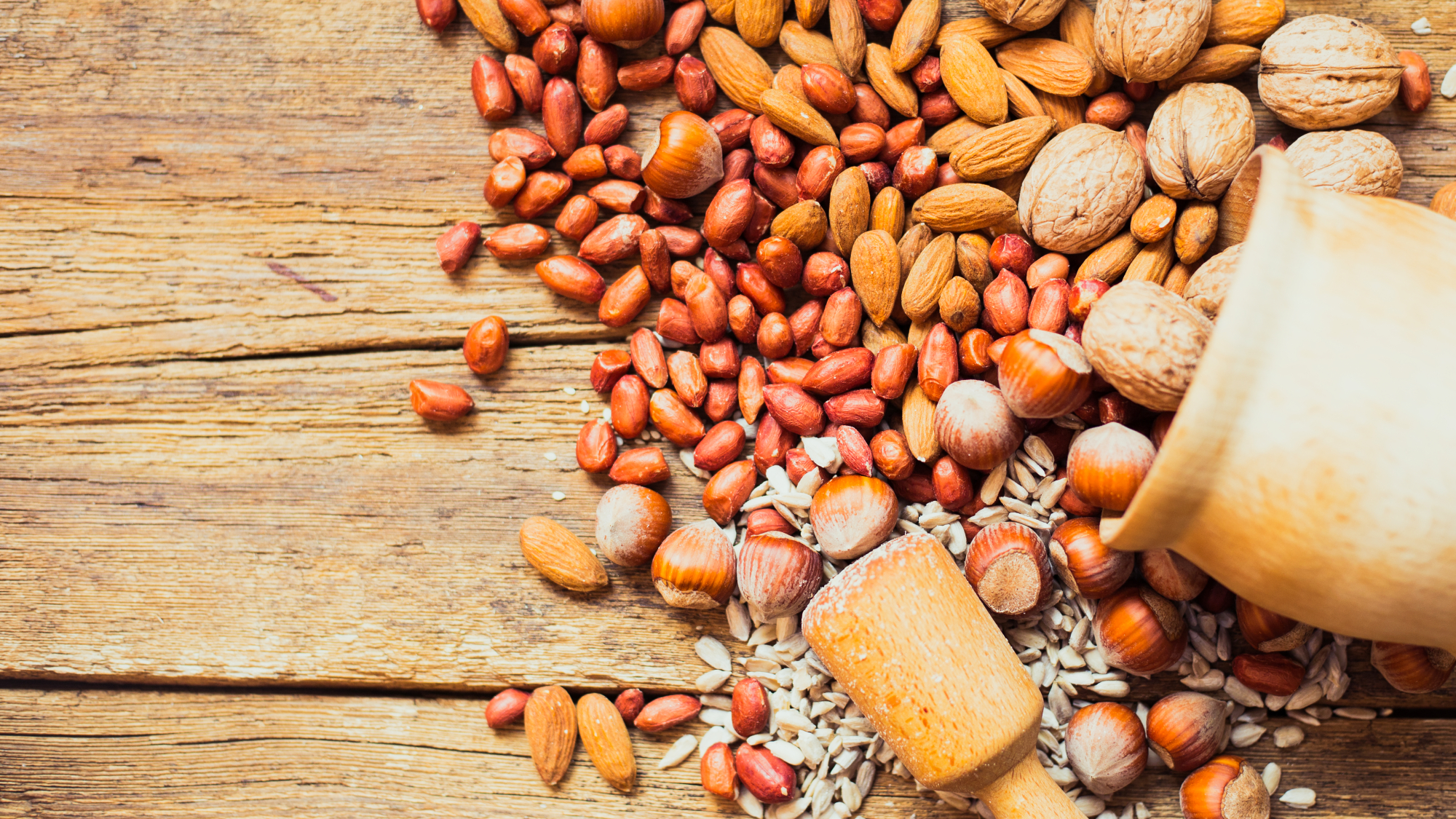
  • Nuts and seeds, including groundnuts (peanuts), sesame seeds, and pumpkin seeds

These staples are not only culturally significant but also naturally abundant in manganese.

East African staples bursting with manganese

In East Africa, manganese-rich foods appear on tables daily:

  • Teff and millet for injera and wholesome porridges
  • Legumes such as kidney beans, pigeon peas, and cowpeas
  • Leafy greens like collard greens, cassava leaves, and spinach
  • Sweet potatoes, served roasted, boiled, or mashed
  • Nuts and seeds such as sunflower seeds, groundnuts, and cashews

These foods are woven into the region’s culinary heritage, making manganese intake both easy and enjoyable.

Easy ways to boost your manganese naturally

  1. Fill your plate with whole plants
    Grains, greens, nuts, and seeds are your manganese champions.
  2. Pair with vitamin C foods
    Fresh fruits and vegetables like citrus, tomatoes, and peppers can help your body make the most of plant-based minerals.
  3. Skip the refined stuff
    Stick to whole grains and unprocessed ingredients to keep manganese levels steady.

Bringing it all together

Manganese might be small in quantity, but it plays a big role in keeping your body strong, energized, and protected. Both West and East African cuisines are full of manganese-rich foods, from earthy grains and leafy greens to creamy nuts and hearty legumes.

By embracing these traditional staples, you are nourishing your body while staying connected to time-honored food traditions.


RECENT POSTS

Gym

Muscle Is your longevity organ: Why strength matters more after 40

Muscle does far more than help you lift weights. It supports movement, balance, metabolism, blood sugar control, bone health, and independence. As muscle mass and strength gradually decline with age, maintaining them becomes increasingly important. After 40, resistance training, adequate protein, and regular movement can help build the physical reserve you may depend on later in life.

read more...
After40

What actually happens to your body after 40?

Turning 40 does not suddenly change your body, but it often marks the beginning of more noticeable shifts in muscle, metabolism, hormones, bone health, recovery, and body composition. The good news is that these changes are not entirely outside your control. Nutrition, movement, sleep, and strength training can strongly influence how well you age over the decades ahead with confidence.

read more...
Cacao origins

From the Amazon to Africa: Cocoa’s remarkable journey

From its ancient roots in the Upper Amazon to the farms of West and Central Africa, cacao has traveled across cultures, oceans, and centuries. Discover how Indigenous knowledge, colonial trade, and African farmers transformed a sacred American crop into one of the world’s most cherished foods—and why its true history is richer and more complex than many realize today.

read more...
Food First

Food first, supplements second: how to build a realistic wellness routine

A strong wellness routine should begin with food, not pills. Supplements can support the body, but they work best when they complement good daily habits. This article explains how to build a realistic routine around real food, hydration, movement, rest, and smart supplementation without overpromising what supplements can do or making wellness feel complicated.

read more...
Sesame Oil

Seed‑oil sophistication: Sesame oil in African cooking contexts

Sesame oil is emerging in African and diaspora kitchens as a flavorful, health friendly oil. With a light nutty aroma, rich in unsaturated fats and unique bioactive compounds, this oil bridges tradition and modern nutrition. This article explores its cultural role, nutrition profile, health benefits and cautions, and how to use it wisely in healthy African cuisine cooking.

read more...
Coconut oil

Coconut Oil: Tropical and Traditional in African Cuisine

In East and West African coastal communities (Kenya, Tanzania, Ghana, Nigeria, the Seychelles) coconut oil is not new. It is ancient. Pressed from the white flesh of mature coconuts, this oil plays a vital role in stews, rice dishes, and porridges like maharagwe ya nazi (Kenyan coconut bean stew) or ekpang nkukwo (Nigerian cocoyam dish). Coconut trees grow along tropical belts and their oil represents food, medicine and economy.

read more...






