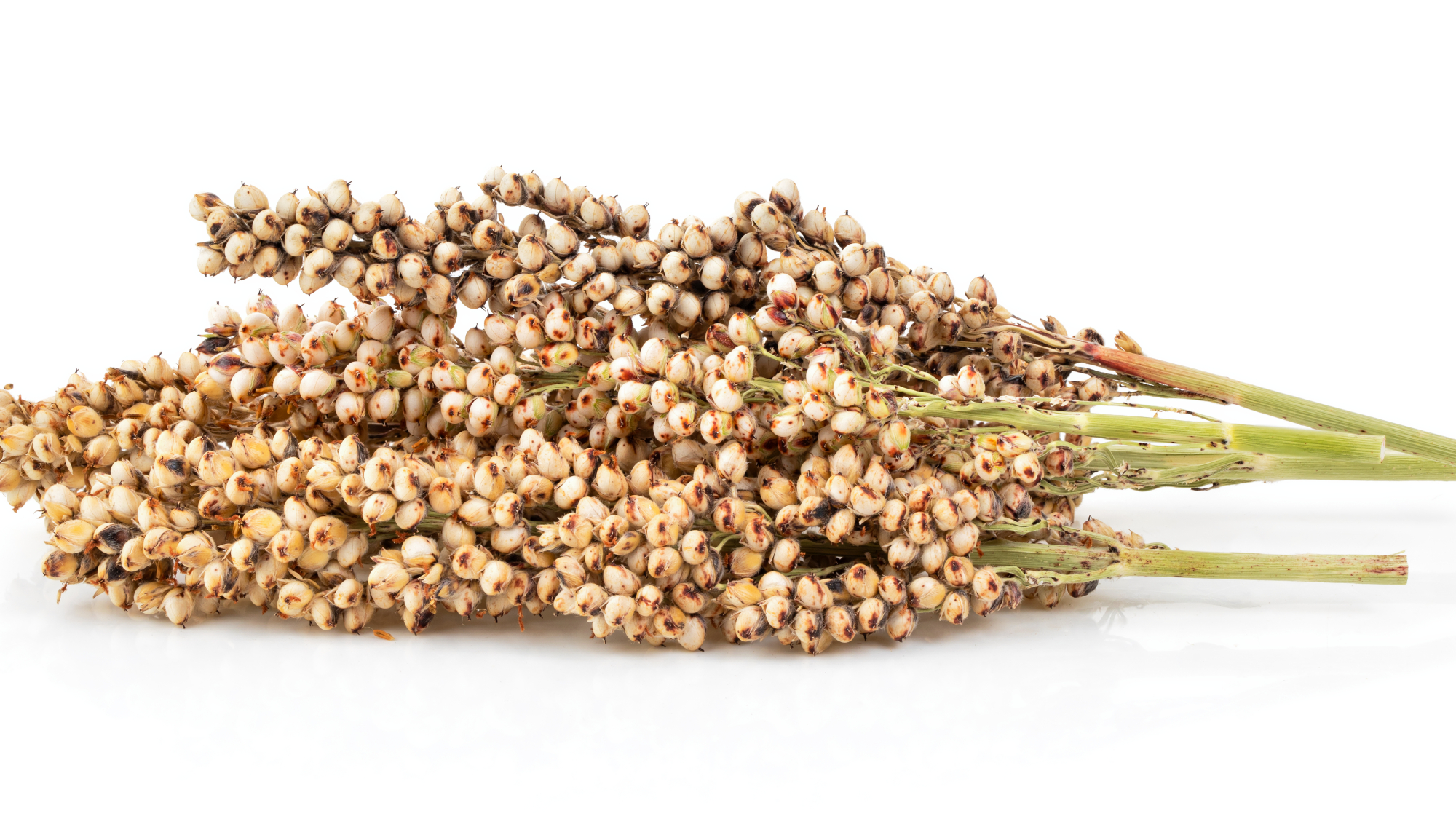
Sorghum (Sorghum bicolor) is a hardy cereal grain that thrives in Africa’s hot, dry regions. Known for its resilience and versatility, it is a dietary staple in West Africa and East Africa, where it is used in porridges, flatbreads, beverages, and stews. Naturally gluten-free and nutrient-dense, sorghum offers both energy and vital micronutrients, making it an important grain for food security and healthy eating.
Nutrient profile of sorghum
Sorghum provides a balanced combination of carbohydrates, protein, and minerals. A 100-gram serving of cooked sorghum offers approximately:
- Calories: 123 kcal
- Carbohydrates: 27 g
- Protein: 4 g
- Fat: 1.1 g
- Fiber: 2.8 g
It also delivers key vitamins and minerals:
- B vitamins (niacin, thiamine, B6) – important for energy metabolism and brain function
- Magnesium – supports muscle and nerve health
- Iron – helps prevent anemia by supporting red blood cell production
- Phosphorus – essential for bone and teeth strength
- Potassium – aids in fluid balance and heart health
- Antioxidants – particularly in darker sorghum varieties, which contain phenolic compounds
Traditional and modern uses
West Africa
- Soft or thick porridges (tuo zaafi, ogi, pap)
- Fermented beverages such as pito and dolo
- Steamed grain dishes similar to couscous (sorghum couscous in the Sahel)
East Africa
- Flatbreads like injera (in parts of Ethiopia and Eritrea, sometimes blended with teff)
- Fermented porridge (uji) in Kenya and Tanzania
- Sorghum flour in traditional breads and snacks
In both regions, sorghum’s adaptability allows it to be eaten fresh, fermented, or dried, making it a year-round food source.
Health benefits of sorghum
When included as part of a balanced diet, sorghum may offer several health benefits:
- Supports digestive health – fiber helps promote regular bowel movements and feeds beneficial gut bacteria
- Helps manage blood sugar – its complex carbohydrates and polyphenols may slow glucose release into the bloodstream
- Promotes heart health – potassium, magnesium, and antioxidants can support healthy blood pressure and reduce oxidative stress
- Boosts bone strength – phosphorus and magnesium contribute to bone density
- Gluten-free option – suitable for people with celiac disease or gluten sensitivity
Some studies also suggest sorghum’s antioxidants may help reduce inflammation and support metabolic health.
Safety and preparation tips
Sorghum is safe for most people, but like other grains, it contains anti-nutrients such as phytates that can reduce mineral absorption. These can be minimized by:
- Soaking or sprouting the grains before cooking
- Fermenting sorghum batter for porridge or bread
- Pairing with vitamin C–rich foods (tomatoes, citrus, peppers) to boost iron absorption
Proper preparation also improves flavor and digestibility.
Takeaways for healthy sorghum consumption
- Include sorghum as part of a whole grain rotation for nutrient diversity
- Use darker varieties for higher antioxidant content
- Try both traditional and modern recipes to enjoy its versatility
- Soak, sprout, or ferment for improved nutrition and taste