Introduction: The element of vitality
Iron is often described as the spark of life. A mineral so vital that without it, your body literally can’t breathe. That’s because iron is a key component of hemoglobin, the protein in red blood cells responsible for transporting oxygen throughout your body.
But iron’s story isn’t just biological, it’s historical. From ancient dietary practices to modern-day public health campaigns, iron deficiency has shaped how we eat, supplement, and survive.
Ancient clues and anemia
The effects of iron deficiency, especially anemia, have been recorded for thousands of years. Ancient Egyptian texts described symptoms of pallor, weakness, and breathlessness. But it wasn’t until the 17th century that doctors began linking these symptoms to blood, and much later to iron intake.
In the 19th and early 20th centuries, “chlorosis” (also called “green sickness”) was common among teenage girls. The treatment? A tonic made with iron filings soaked in wine. It’s primitive but surprisingly effective.
The role of iron in the body
Iron’s main job is to carry oxygen. It does this through:
- Hemoglobin – found in red blood cells; moves oxygen from lungs to tissues
- Myoglobin – stores oxygen in muscle tissue
- Enzymes and proteins – essential for metabolism, cellular repair, and immune function
When your body doesn’t have enough iron, everything slows down. Energy drops, focus fades, and the immune system weakens.
Symptoms of iron deficiency
Iron deficiency is the most common nutritional deficiency in the world, especially among women, children, and vegetarians. Symptoms include:
- Fatigue and weakness
- Pale skin and dark under-eyes
- Shortness of breath
- Dizziness or lightheadedness
- Cold hands and feet
- Brittle nails and hair loss
- Restless leg syndrome
Untreated, it can lead to iron deficiency anemia, a condition where red blood cells can’t carry enough oxygen.
Types of iron: Heme vs. non-heme
Iron comes in two forms:
- Heme iron – found in animal-based foods; highly absorbable
- Non-heme iron – found in plant foods; less absorbable but still valuable
Your body absorbs heme iron 2–3 times more efficiently, but non-heme iron can be boosted with the right nutrient pairings (more on that below).
Best dietary sources of iron
Heme Iron Sources
- Red meat (beef, lamb)
- Liver and organ meats
- Poultry (dark meat)
- Fish (sardines, tuna)
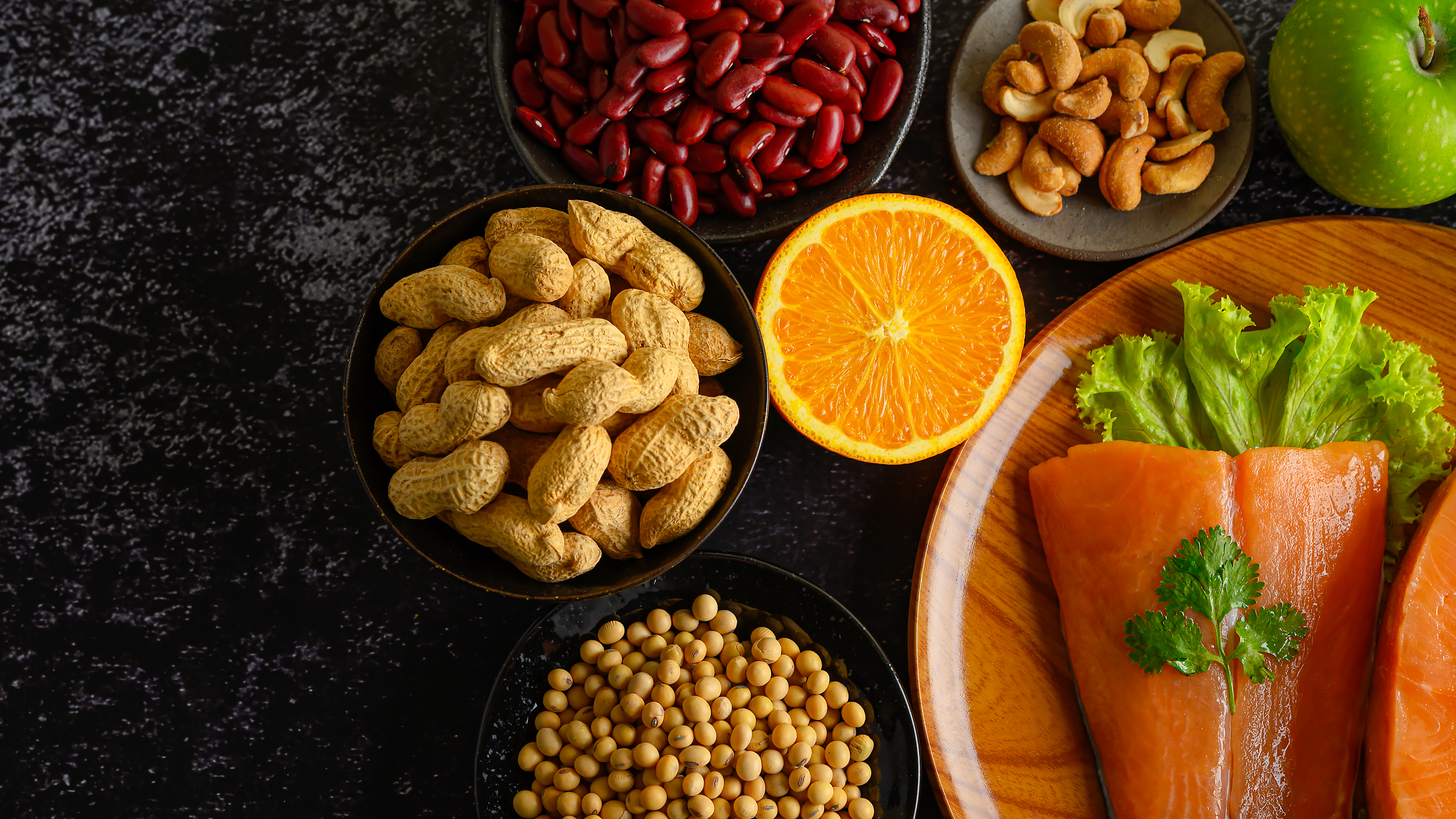
Non-Heme iron sources
- Lentils, beans, chickpeas
- Tofu and tempeh
- Spinach, kale, collards
- Pumpkin seeds, quinoa
- Fortified cereals and whole grains
How much iron do you need?
According to the NIH:
- Men (19–50): 8 mg/day
- Women (19–50): 18 mg/day
- Pregnant women: 27 mg/day
- Postmenopausal women: 8 mg/day
Women of reproductive age need more iron due to blood loss from menstruation.
Iron supplementation: What to know
If you’re low in iron, your doctor may recommend a supplement. Look for:
- Ferrous sulfate or ferrous gluconate – commonly used, affordable
- Heme iron polypeptide – more bioavailable, gentler on the stomach
- Iron bisglycinate – chelated form, better tolerated
⚠️ Iron supplements may cause constipation or nausea. Never supplement without testing. Too much iron can be toxic.
Nutrient synergy: Iron needs a team
Iron absorption is greatly influenced by other nutrients. Here’s how to get the most out of your iron-rich foods or supplements:
Pair with vitamin C – enhances non-heme iron absorption
Avoid with calcium – competes with iron for absorption
Watch out for tea, coffee, and high-fiber meals, which may reduce absorption
Learn more about smart nutrient pairings in our synergy article.
Final thoughts: Iron as your energy anchor
Iron isn’t just a nutrient. It’s your body’s lifeline to oxygen, energy, and endurance. Whether you’re an athlete, a growing child, or simply feeling more tired than usual, iron might be the missing link.
Understanding where it comes from, how your body uses it, and when to supplement can make a world of difference, literally giving your cells the breath of life.
Up next in the mineral masterclass: Magnesium
Next, we’ll explore magnesium, the mineral behind muscle function, mood balance, and over 300 enzymatic processes in the body. Stay tuned on the Volta Santé blog for the next installment.