
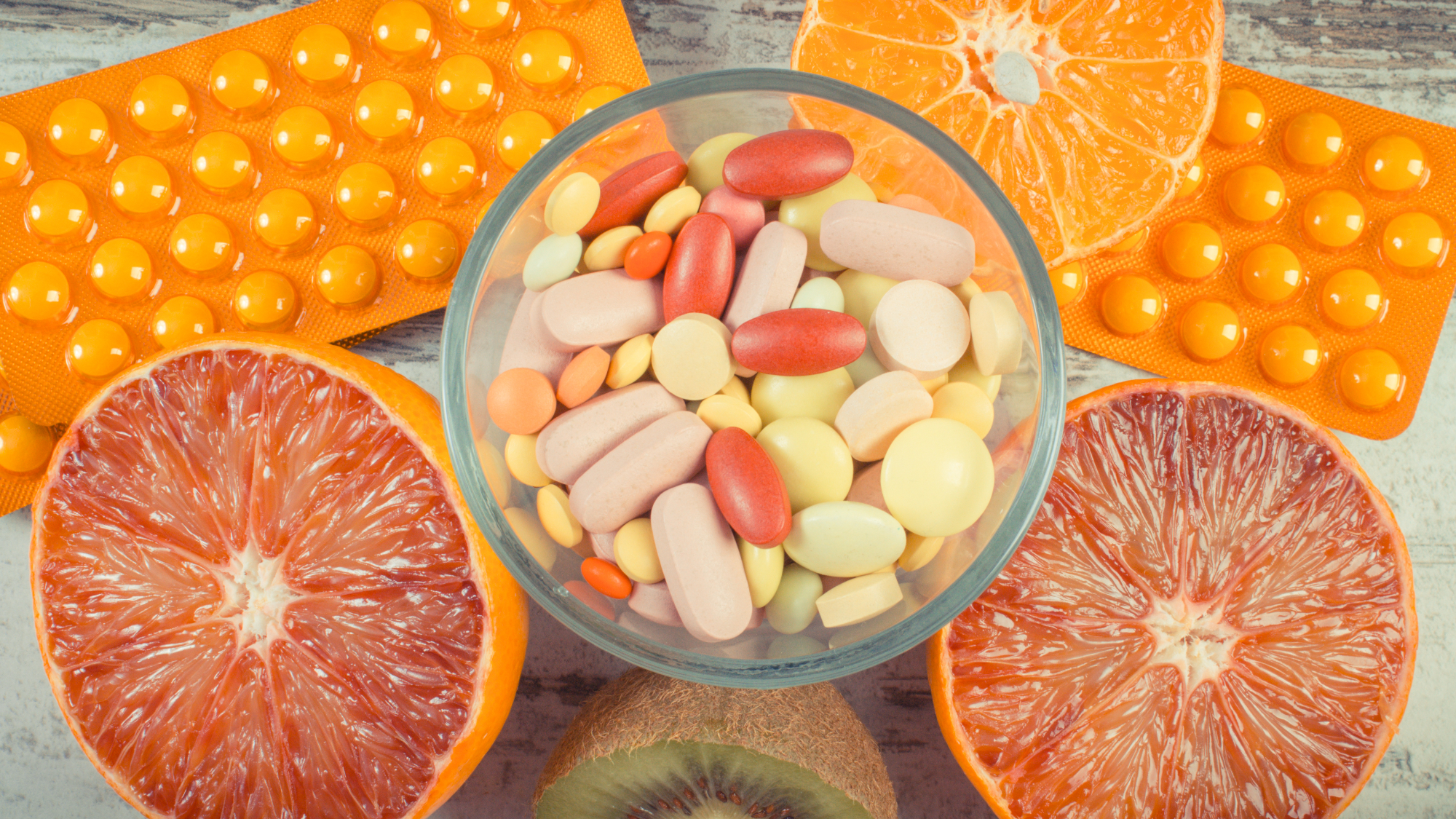
Vitamins that work better together: The power of nutrient synergy

Volta Santé Editorial Team |

July 3, 2025 |

When it comes to supplements, more isn’t always better, but smarter combinations can make a big difference. Some vitamins and minerals naturally work in harmony, enhancing each other’s absorption and effectiveness in the body. This concept, called nutrient synergy, is why certain nutrients are often paired in high-quality multivitamins or supplement regimens.

In this article, we’ll explore some of the most effective vitamin combinations and how they support your health.

1. Vitamin D + Vitamin K2

Vitamin D3 helps your body absorb calcium, which is crucial for strong bones. But without Vitamin K2, that calcium may end up in your arteries instead of your bones. K2 acts like a traffic cop, directing calcium to where it’s needed most.

This combination supports bone health and cardiovascular protection. If you’re taking a Vitamin D supplement, make sure it includes K2 or take them together.

2. Iron + Vitamin C

Iron is essential for energy, focus, and oxygen transport in the blood. However, your body doesn’t absorb it easily, especially from plant-based sources. Enter Vitamin C: it converts iron into a more absorbable form and can significantly boost iron absorption.

So, pairing iron-rich foods (like lentils or spinach) with Vitamin C-rich foods (like oranges or bell peppers) can make a major difference.

3. Calcium + Magnesium + Vitamin D

Calcium is essential for bones, but it needs the help of both Vitamin D and magnesium to be properly absorbed and utilized. Magnesium helps activate Vitamin D, while Vitamin D increases calcium absorption in the gut.

The three work best in balance. Too much calcium without enough magnesium can lead to muscle cramps and other side effects.

4. Zinc + Vitamin B6 + Magnesium

This trio is often found in supplements aimed at boosting testosterone, improving mood, and enhancing sleep. Zinc supports immune function, B6 helps with neurotransmitter production, and magnesium calms the nervous system.

Together, they support stress reduction, hormonal balance, and restful sleep.

5. Vitamin A + Zinc

Vitamin A is important for vision, skin health, and immunity, but it needs zinc to help the body convert it into its active form (retinol). Zinc also aids in transporting Vitamin A through the blood.

Low zinc levels may reduce the effectiveness of Vitamin A supplements, so be sure to get enough of both.

Final Thoughts

Understanding which vitamins work better together can help you get the most out of your supplements and avoid wasting money, or worse, risking imbalances. Whether you're aiming to boost your immune system, support your bones, or just feel more energized, pairing the right nutrients is a smart and science-backed approach to wellness.


RECENT POSTS

Gym

Muscle Is your longevity organ: Why strength matters more after 40

Muscle does far more than help you lift weights. It supports movement, balance, metabolism, blood sugar control, bone health, and independence. As muscle mass and strength gradually decline with age, maintaining them becomes increasingly important. After 40, resistance training, adequate protein, and regular movement can help build the physical reserve you may depend on later in life.

read more...
After40

What actually happens to your body after 40?

Turning 40 does not suddenly change your body, but it often marks the beginning of more noticeable shifts in muscle, metabolism, hormones, bone health, recovery, and body composition. The good news is that these changes are not entirely outside your control. Nutrition, movement, sleep, and strength training can strongly influence how well you age over the decades ahead with confidence.

read more...
Cacao origins

From the Amazon to Africa: Cocoa’s remarkable journey

From its ancient roots in the Upper Amazon to the farms of West and Central Africa, cacao has traveled across cultures, oceans, and centuries. Discover how Indigenous knowledge, colonial trade, and African farmers transformed a sacred American crop into one of the world’s most cherished foods—and why its true history is richer and more complex than many realize today.

read more...
Food First

Food first, supplements second: how to build a realistic wellness routine

A strong wellness routine should begin with food, not pills. Supplements can support the body, but they work best when they complement good daily habits. This article explains how to build a realistic routine around real food, hydration, movement, rest, and smart supplementation without overpromising what supplements can do or making wellness feel complicated.

read more...
Sesame Oil

Seed‑oil sophistication: Sesame oil in African cooking contexts

Sesame oil is emerging in African and diaspora kitchens as a flavorful, health friendly oil. With a light nutty aroma, rich in unsaturated fats and unique bioactive compounds, this oil bridges tradition and modern nutrition. This article explores its cultural role, nutrition profile, health benefits and cautions, and how to use it wisely in healthy African cuisine cooking.

read more...
Coconut oil

Coconut Oil: Tropical and Traditional in African Cuisine

In East and West African coastal communities (Kenya, Tanzania, Ghana, Nigeria, the Seychelles) coconut oil is not new. It is ancient. Pressed from the white flesh of mature coconuts, this oil plays a vital role in stews, rice dishes, and porridges like maharagwe ya nazi (Kenyan coconut bean stew) or ekpang nkukwo (Nigerian cocoyam dish). Coconut trees grow along tropical belts and their oil represents food, medicine and economy.

read more...






