Iron: From red earth to red blood cells

admin |

January 28, 2026 |

Where it begins

Iron is one of the most abundant metals in the Earth’s crust, often found in iron oxides such as hematite and magnetite. These compounds give soil its distinctive red or brown color in many parts of Africa. Over time, weathering releases iron into the environment, where it can be absorbed by plants or animals that feed on them.

In West Africa, many farming areas, especially in lateritic soils, are naturally rich in iron, but absorption from soil to plant varies depending on soil pH and other minerals present.

How it enters your plate

Iron reaches your diet through two main forms:

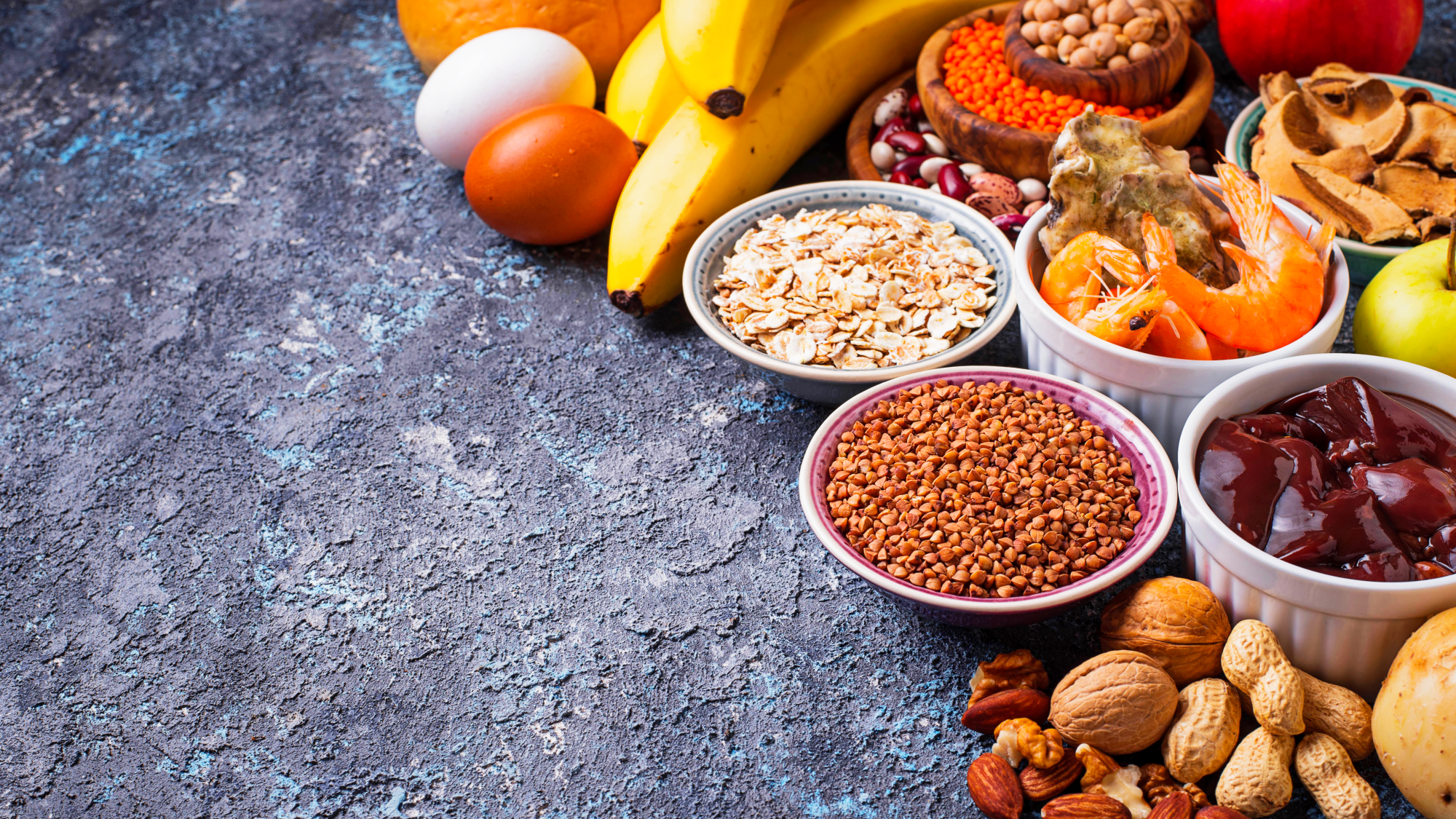
  • Heme iron, found in animal foods like liver, red meat, fish, and poultry
  • Non-heme iron, found in plant sources like beans, spinach, lentils, and fortified grains

In West African diets, key iron-rich foods include:

What it does in your body

Iron is essential for making hemoglobin, the protein in red blood cells that carries oxygen throughout your body. Without enough iron, your cells can’t get the oxygen they need to produce energy.

Iron also supports:

  • Immune function, helping fight infections
  • Brain development in children
  • Hormone synthesis and skin repair
  • Body temperature regulation

Are you getting enough?

Iron deficiency is the most common nutritional deficiency globally, and West Africa is no exception—especially for:

  • Women of reproductive age, due to menstruation and pregnancy
  • Infants and young children, whose iron needs are high during growth
  • People eating mostly plant-based diets, due to lower absorption of non-heme iron

Signs of iron deficiency may include:

  • Fatigue and weakness
  • Pale skin and shortness of breath
  • Headaches and dizziness
  • Poor concentration or irritability

Enhancing iron absorption tip: Pair iron-rich foods with vitamin C (like citrus, tomatoes, or baobab fruit) and avoid drinking tea or coffee during meals, which can inhibit absorption.

Takeaway tips: Boosting iron in your diet

  1. Combine beans and citrus – Add lime to bean stew or moringa soup.
  2. Soak or ferment grains – This reduces phytates that block iron absorption.
  3. Choose local iron-rich foods – Like dried shrimp, bitterleaf, or palm oil.
  4. Cook in cast iron pots – Especially for acidic dishes, which absorb more iron from the cookware.

RECENT POSTS

Electrolytes

Hydration is not just water: the mineral side of feeling well

Hydration is more than drinking water. It is the balance of fluid and minerals that helps your muscles move, nerves communicate, body temperature stay steady, and mind remain clear. When heat, sweat, stress, or poor food choices disturb that balance, you may feel tired, foggy, cramped, or simply unwell even when you are drinking plenty daily enough throughout the day.

read more...
Stretcher

The energy gap: why you feel tired even after sleeping

You can sleep through the night and still wake up tired. That tiredness may be your body’s way of asking for better hydration, deeper rest, steadier routines, more movement, or stronger nutritional support. This article explains the energy gap and how small daily habits can help you feel more refreshed, focused, and ready for the day.

read more...
Morning Run

Your morning sets your metabolism: how to start the day well

Your morning does more than begin your day. It sends signals to your body about energy, focus, hydration, movement, and rhythm. A few simple choices after waking can help you feel more alert, steady, and prepared. This guide explores practical morning habits that support metabolism, mental clarity, and everyday wellness without making the routine complicated.

read more...
Coconut oil

Coconut Oil: Tropical and Traditional in African Cuisine

In East and West African coastal communities (Kenya, Tanzania, Ghana, Nigeria, the Seychelles) coconut oil is not new. It is ancient. Pressed from the white flesh of mature coconuts, this oil plays a vital role in stews, rice dishes, and porridges like maharagwe ya nazi (Kenyan coconut bean stew) or ekpang nkukwo (Nigerian cocoyam dish). Coconut trees grow along tropical belts and their oil represents food, medicine and economy.

read more...
Groundnut oil

Groundnut Oil: The people’s choice in African kitchens

The oil pressed from peanuts, groundnut or peanut oil, is a staple in many West African kitchens, prized for its mild nutty flavor, high heat cooking stability and heart friendly fat profile. This article explores its cultural roots, nutritional makeup, health benefits and risks, and how to use it wisely for a healthier life while staying true to tradition.

read more...
Frequently Asked Question

Supplements that boost productivity: Fuel your focus, energy, and brainpower

Mental fatigue can slow down even the best routines. Certain supplements may help support focus, energy, memory, and stress resilience when paired with healthy habits. From B vitamins and omega-3s to magnesium and rhodiola, this guide explores science-backed options that can help you stay sharp, productive, and mentally balanced throughout long workdays, study sessions, and demanding schedules.

read more...
Omega 3

Kids and omegas: Supporting growth and brain health

Omega-3 fatty acids play an essential role in children’s brain development, vision, growth, and immune health from pregnancy through adolescence. This article explores the benefits of DHA and EPA, highlights child-friendly omega-rich foods commonly found in African diets, and shares practical nutrition tips for parents and caregivers looking to support healthy development naturally through everyday family meals.

read more...