Where it begins
Iron is one of the most abundant metals in the Earth’s crust, often found in iron oxides such as hematite and magnetite. These compounds give soil its distinctive red or brown color in many parts of Africa. Over time, weathering releases iron into the environment, where it can be absorbed by plants or animals that feed on them.
In West Africa, many farming areas, especially in lateritic soils, are naturally rich in iron, but absorption from soil to plant varies depending on soil pH and other minerals present.
How it enters your plate
Iron reaches your diet through two main forms:
- Heme iron, found in animal foods like liver, red meat, fish, and poultry
- Non-heme iron, found in plant sources like beans, spinach, lentils, and fortified grains
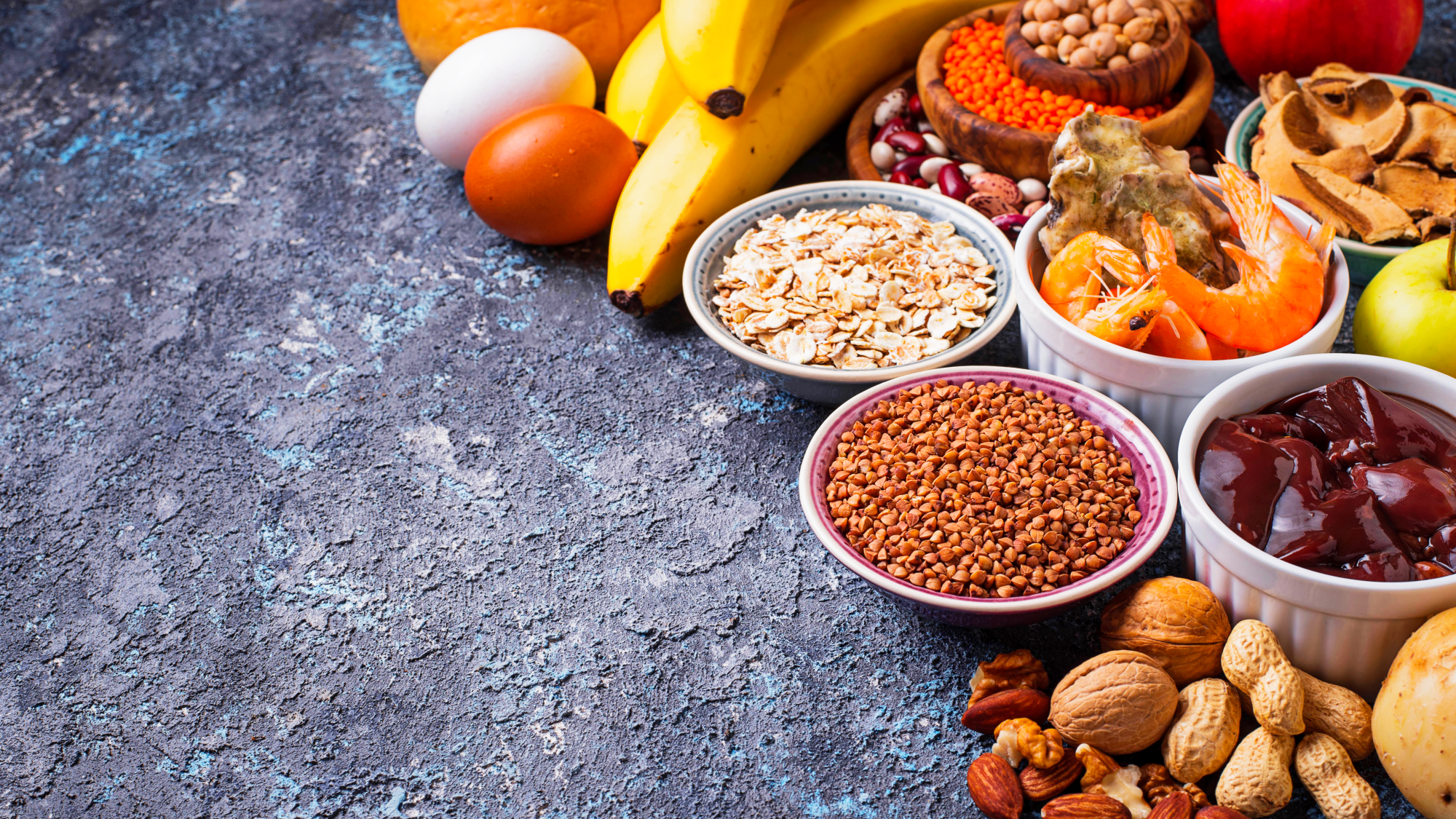
In West African diets, key iron-rich foods include:
- Cowpea (beans) and black-eyed peas
- Dark leafy greens like amaranth, moringa, and bitterleaf
- Fonio, sorghum, millet, especially when fermented or soaked to improve absorption
- Palm oil and dried fish, often used in stews
What it does in your body
Iron is essential for making hemoglobin, the protein in red blood cells that carries oxygen throughout your body. Without enough iron, your cells can’t get the oxygen they need to produce energy.
Iron also supports:
- Immune function, helping fight infections
- Brain development in children
- Hormone synthesis and skin repair
- Body temperature regulation
Are you getting enough?
Iron deficiency is the most common nutritional deficiency globally, and West Africa is no exception—especially for:
- Women of reproductive age, due to menstruation and pregnancy
- Infants and young children, whose iron needs are high during growth
- People eating mostly plant-based diets, due to lower absorption of non-heme iron
Signs of iron deficiency may include:
- Fatigue and weakness
- Pale skin and shortness of breath
- Headaches and dizziness
- Poor concentration or irritability
Enhancing iron absorption tip: Pair iron-rich foods with vitamin C (like citrus, tomatoes, or baobab fruit) and avoid drinking tea or coffee during meals, which can inhibit absorption.
Takeaway tips: Boosting iron in your diet
- Combine beans and citrus – Add lime to bean stew or moringa soup.
- Soak or ferment grains – This reduces phytates that block iron absorption.
- Choose local iron-rich foods – Like dried shrimp, bitterleaf, or palm oil.
- Cook in cast iron pots – Especially for acidic dishes, which absorb more iron from the cookware.