Vitamin D, often called the “sunshine vitamin,” is a powerhouse nutrient that plays a crucial role in supporting overall health. Unlike most vitamins, your body can produce vitamin D on its own when your skin is exposed to sunlight. Yet, despite its natural availability, vitamin D deficiency is one of the most common nutritional issues worldwide.
In this article, we’ll explore what makes vitamin D so essential, how it functions in the body, and practical ways to ensure you’re getting enough for optimal health.
What Does Vitamin D Do?
Vitamin D is a fat-soluble vitamin, meaning it’s stored in the body's fatty tissue and used as needed. It acts more like a hormone than a traditional vitamin, helping to regulate critical functions such as:
- Calcium and phosphorus absorption: Vitamin D helps the body absorb calcium from food, which is essential for building and maintaining strong bones and teeth.
- Immune system support: It strengthens immune defenses and helps regulate inflammation, making the body more resilient against infections.
- Muscle and nerve function: Vitamin D contributes to muscle strength and coordination, reducing the risk of falls, especially in older adults.
- Mood and mental health: Emerging research suggests a link between vitamin D levels and mental well-being, including mood stability and lower risk of depression.
Types of Vitamin D
There are several forms of vitamin D, but two are most relevant for human nutrition:
- Vitamin D2 (Ergocalciferol): Found in plant-based sources and some fortified foods, this form is commonly used in low-cost supplements.
- Vitamin D3 (Cholecalciferol): Synthesized in the skin when exposed to sunlight and also present in animal-based foods, D3 is more effective at raising vitamin D levels in the blood.
Once consumed or produced by the body, both D2 and D3 are converted into calcidiol, the storage form of vitamin D. The kidneys then convert it into calcitriol, the active form that your body uses to perform its various functions.
Where to Get Vitamin D
The most natural source of vitamin D is sunlight. Just 10 to 30 minutes of midday sun exposure a few times a week can help many people produce adequate amounts. However, factors such as skin tone, age, geography, sunscreen use, and indoor lifestyles can limit this natural production.
Other sources include:
- Fatty fish (salmon, mackerel, sardines)
- Egg yolks
- Beef liver
- Fortified foods (milk, plant-based milk, cereals, orange juice)
- Mushrooms exposed to UV light
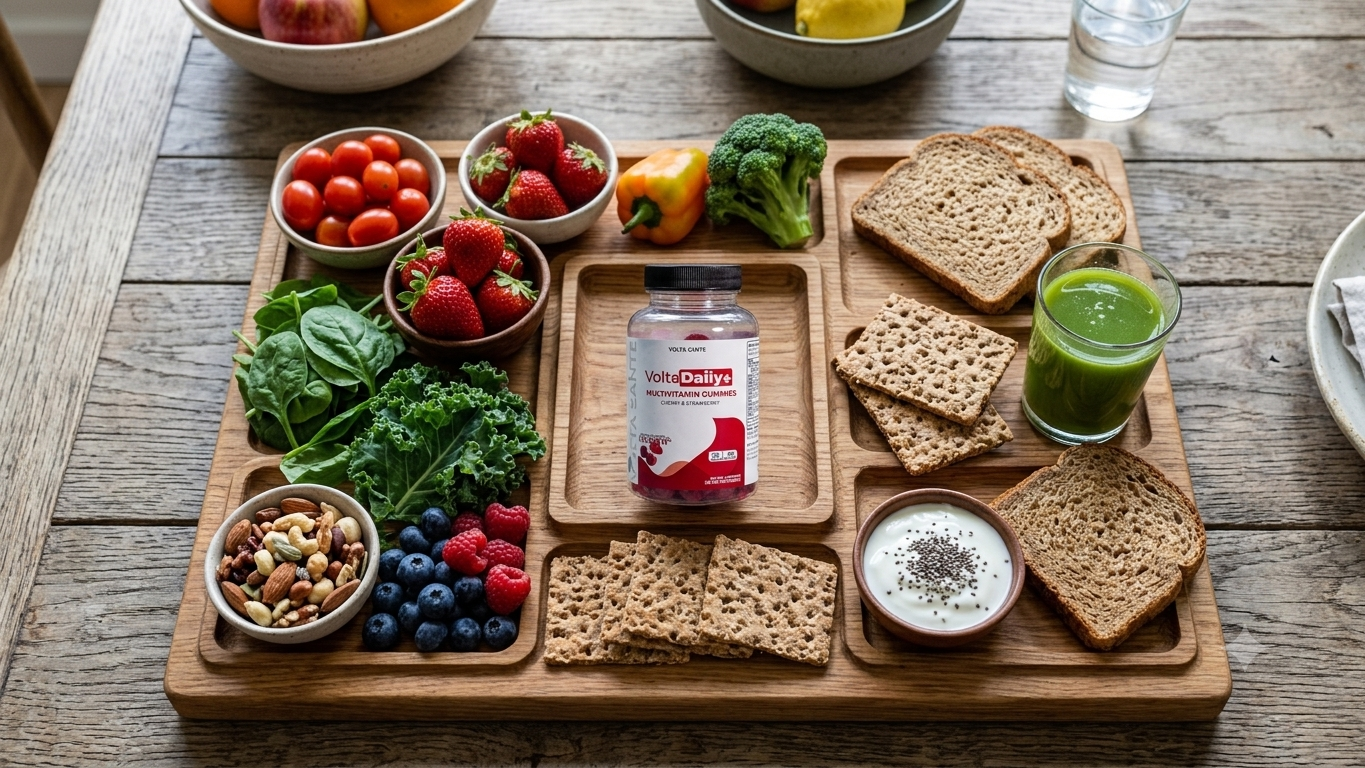
For those unable to get enough through sun and food, supplements are a reliable and widely recommended option. Vitamin D3 supplements are generally preferred for better absorption.
Who Is at Risk for Deficiency?
Vitamin D deficiency can affect anyone, but some groups are more vulnerable:
- People with darker skin tones (melanin reduces vitamin D synthesis)
- Older adults (reduced skin conversion and dietary intake)
- Individuals living in northern climates with limited sunlight
- Those with digestive disorders that impair fat absorption (like Crohn’s or celiac disease)
- Vegans and vegetarians, due to fewer dietary sources
Symptoms of deficiency can include fatigue, bone pain, muscle weakness, and increased susceptibility to illness. Long-term deficiency can lead to conditions like rickets in children or osteomalacia in adults.
How Much Do You Need?
The recommended daily intake varies by age and life stage. For most adults, 600–800 IU per day is advised, though higher doses may be needed to correct a deficiency. Always consult a healthcare provider for personalized guidance, especially before taking high-dose supplements.
In conclusion, vitamin D is a small nutrient with a big impact. From strengthening bones to supporting immunity and enhancing mood, its benefits are wide-reaching and well-documented. Whether through sun, food, or supplements, making sure you get enough vitamin D is a simple but powerful step toward better health and quality living.
Stay sunny, stay strong!