Where it begins
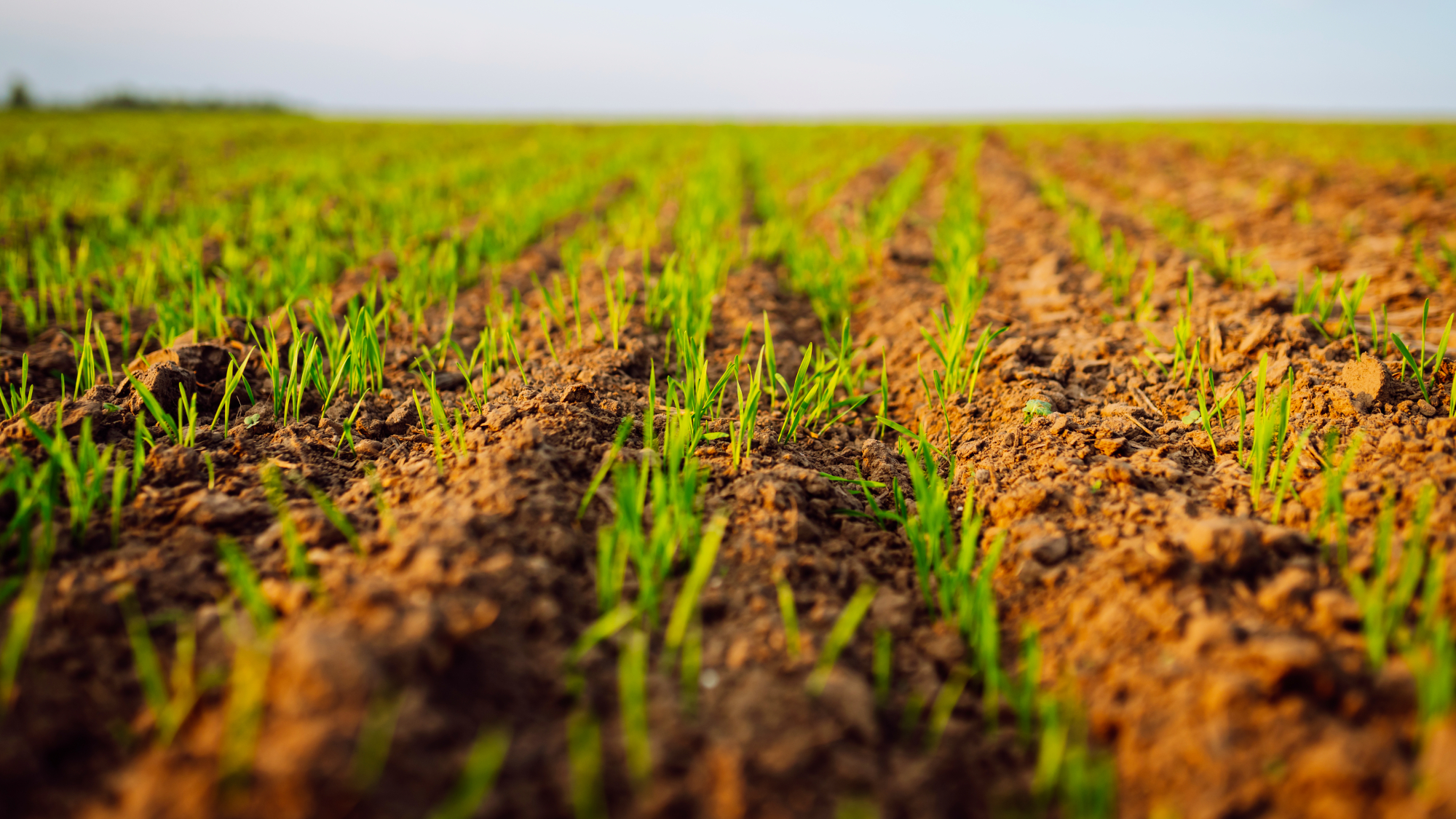
Manganese originates in igneous rocks and mineral ores like pyrolusite. As these rocks break down, manganese enters soils and groundwater, where it becomes available to plants.
In many parts of West Africa, particularly those with iron-rich lateritic soils, manganese is present in moderate to high levels, supporting uptake by local crops. However, its availability can decrease in highly alkaline or overly drained soils, reducing its nutritional impact.
How it enters your plate
Manganese is found in a wide range of plant-based foods, especially whole grains, legumes, and seeds. In West African diets, excellent sources include:
- Sorghum, millet, and corn (especially whole and unrefined)
- Groundnuts and cowpeas
- Fonio, a nutrient-rich ancient grain
- Leafy greens, like moringa and baobab leaves
- Pineapple, tamarind, and other tropical fruits
While animal products contain little manganese, traditional diets rich in whole, minimally processed plants often provide sufficient amounts.
What it does in your body
Manganese acts as a cofactor for many enzymes, helping your body carry out essential functions such as:
- Bone formation and maintenance
- Brain and nerve function, especially antioxidant defense in neurons
- Metabolism of carbohydrates, proteins, and fats
- Wound healing and collagen production
- Antioxidant support, as a component of manganese superoxide dismutase (MnSOD)
Though needed only in trace amounts, manganese contributes to long-term resilience of both body and brain.
Are you getting enough?
Manganese deficiency is rare, especially in traditional diets high in whole grains and legumes. However, risk may rise with:
- Diets dominated by refined or ultra-processed foods
- Chronic digestive issues that affect absorption
- Excessive calcium or iron intake (can compete with manganese)
Low manganese may result in:
- Poor bone density or slow growth
- Impaired wound healing
- Fatigue or coordination issues
- Increased oxidative stress