Plantain is a beloved West African staple that earns its spot on the plate, from Ghana’s kelewele to Nigeria’s dodo and Côte d’Ivoire’s aloco. If you are looking for everyday foods that nourish and satisfy, plantain delivers steady energy, fiber, and a spread of micronutrients. Plantain benefits include potassium, vitamin B6, vitamin C, and more, with values that vary by variety and ripeness.
What makes plantain special?
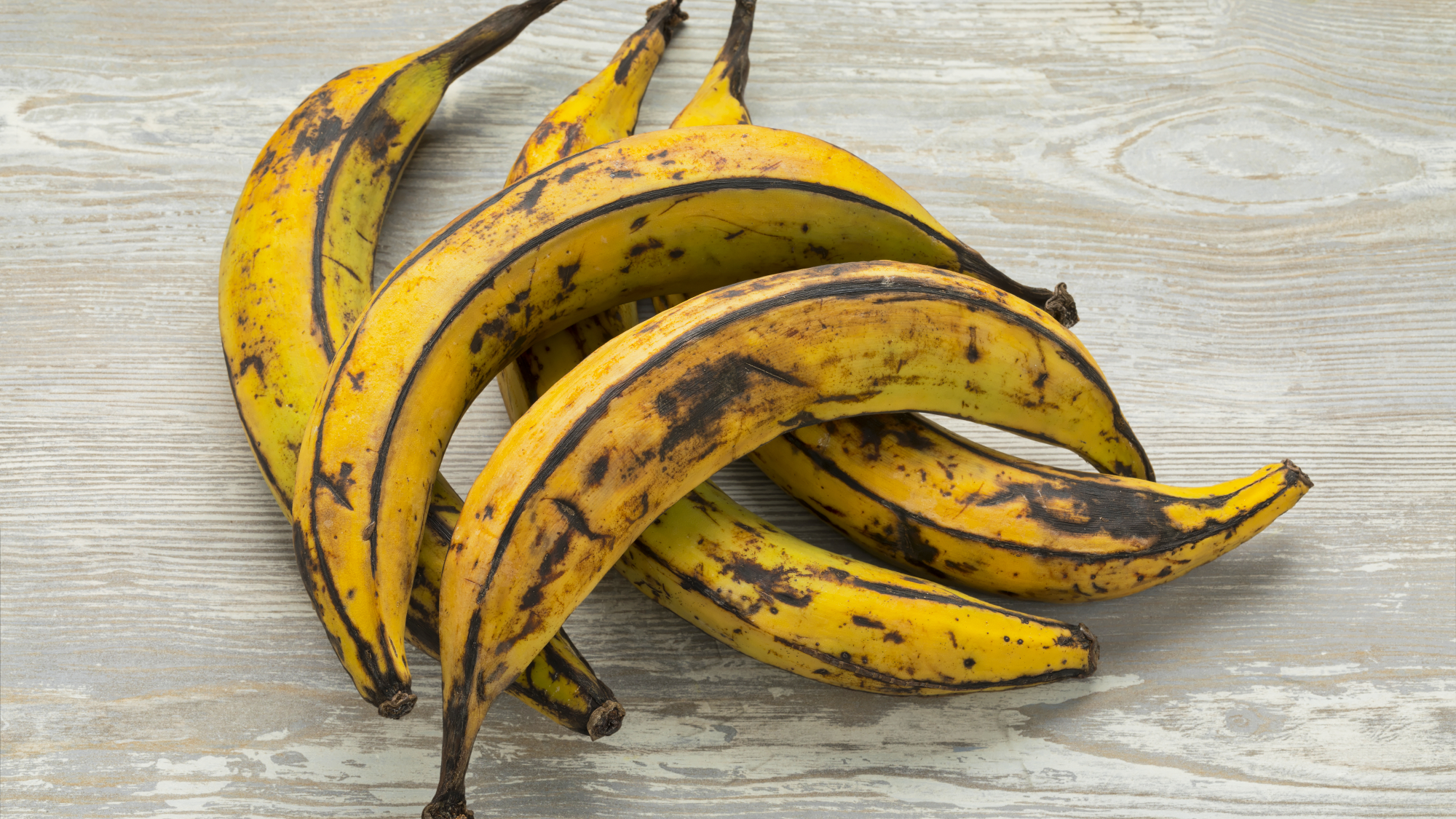
Botanically a banana, plantain is starchier and usually eaten cooked. Green plantain is firm and mildly sweet; as it ripens to yellow and then black-speckled, starch converts to sugars and the texture softens. This ripening shift also changes the resistant starch content, which tends to decline as the fruit sweetens.
Nutrition highlights
A 100g raw serving sits mostly in the carbohydrate lane, with small amounts of protein and fat. Plantain supplies potassium, vitamin C, vitamin B6, and magnesium, nutrients that support nerve and muscle function, immunity, and energy metabolism. Yellow-fleshed cultivars can also add pro-vitamin A carotenoids, important for vision and immune health. Exact numbers shift with cultivar, soil, and ripeness, so regional food tables are helpful when planning meals.
Potential health benefits
- Gentle energy with fiber. Green plantain contains more resistant starch, a prebiotic fiber that may support gut health and satiety. As plantain ripens, rapidly digestible starch rises, so choose the stage that fits your goals.
- Vitamin and mineral support. Potassium, vitamin B6, vitamin C, and magnesium help maintain fluid balance, nerve function, and normal metabolism. Yellow cultivars with higher carotenoids may contribute meaningfully to vitamin A intake.
- Blood sugar-friendly choices. Glycaemic response depends on ripeness, portion size, and cooking. In an Ivorian study, fried plantain snacks showed low GI values around 38 to 45, while roasted unripe plantain registered high GI near 89. That said, fried options add oil and calories, so pair GI with portion awareness.
How to enjoy plantain in West African kitchens
- Boiled or steamed green slices with kontomire stew, garden-eggs sauce, or beans.
- Oven-roasted ripe plantain brushed with a little red palm or groundnut oil.
- Air-fried kelewele with ginger, pepper, and cloves for a lighter spin.
- Plantain flour blended with millet or sorghum in pancakes or amala style swallows.
- Fold plantain into healthy bowls with okra, leafy greens, grilled fish, or black-eyed peas.
Smart tips
- Choose green to yellow for cooking; very ripe is great for baking or grilling.
- For steadier glucose, keep portions moderate, add vegetables and legumes, and prefer boiling, grilling, air-frying, or oven roasting.
- Balance the plate with protein, for example, cowpea stew or smoked mackerel, for fuller satiety.
- Explore yellow-fleshed cultivars where available to boost carotenoids.
Final thoughts
Plantain is more than a side. It is a resilient, culturally rooted staple that can be prepared in many wholesome ways. Mix ripeness stages across the week, rotate cooking methods, and pair with greens, beans, and lean proteins. That is how this colorful fruit becomes a backbone of everyday wellness across West Africa.