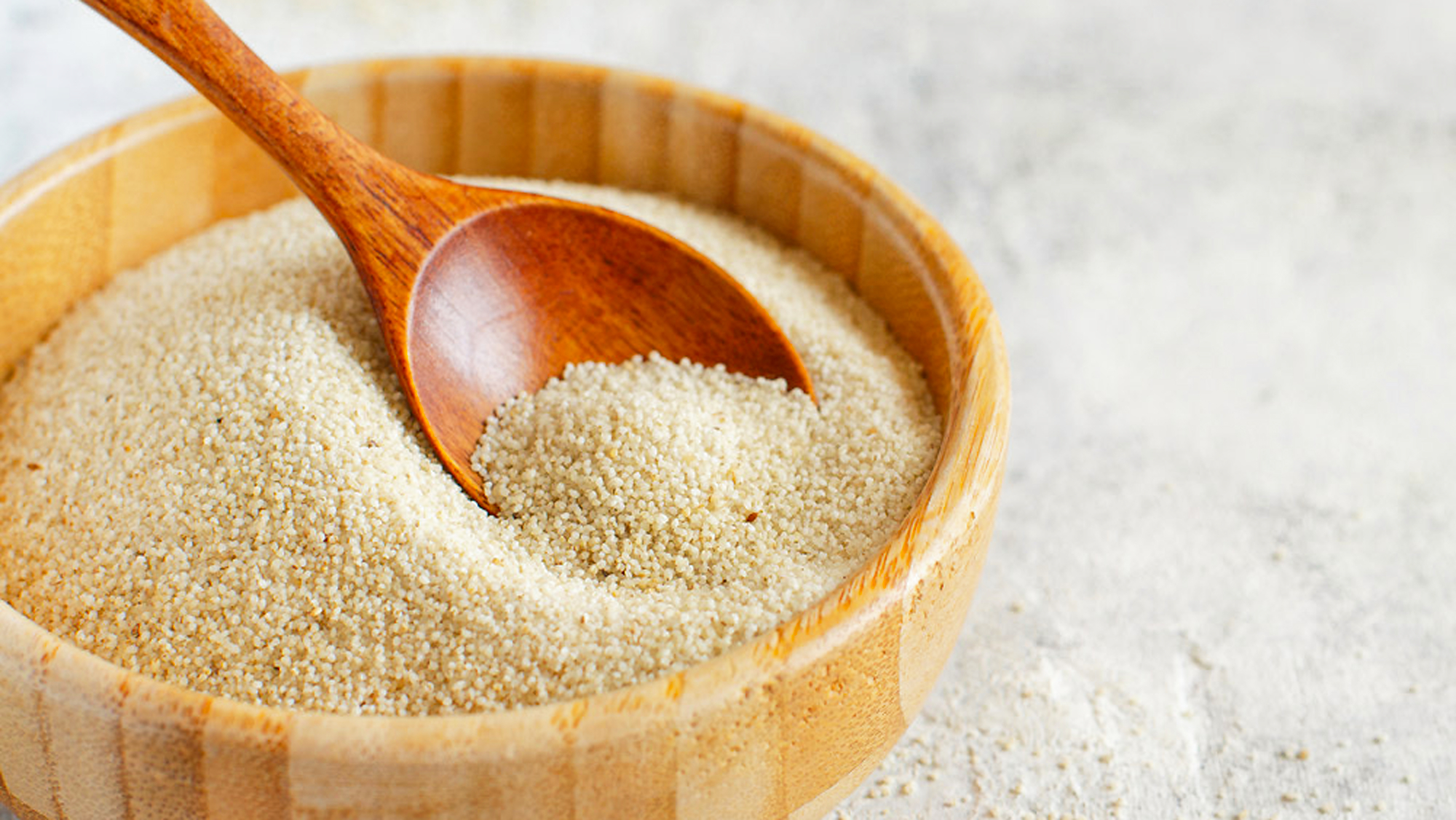
Fonio is a tiny West African cereal with big potential. This gluten-free grain cooks in minutes, carries useful vitamins and minerals, and fits beautifully into home menus across Ghana, Nigeria, Senegal, Guinea and beyond. If you are exploring ancient grains for everyday nourishment, fonio deserves a spot on your table.
What exactly is fonio?
Fonio, also called acha in parts of Nigeria, is one of Africa’s oldest cultivated cereals. It thrives in semi-arid zones, matures quickly, and has long supported food security in Sahel communities. Cooked, it resembles couscous or rice and works in porridges, pilafs and baked goods.
Nutrition highlights
Per 100 g raw grain, fonio provides mostly complex carbohydrates with moderate protein. What makes it stand out is its amino acid profile, with comparatively higher methionine and cysteine than many common cereals. It also supplies B vitamins and minerals such as iron, magnesium, zinc and calcium; exact values vary by variety and soil. Fonio is naturally gluten-free.
Emerging studies show processing methods can improve mineral availability. For example, germination has been associated with increases in iron, magnesium and other minerals in certain fonio varieties.
Potential health benefits
- Steady energy. Early human and product studies suggest fonio can have a low to moderate glycaemic index, though results vary by recipe, processing and serving size. Reported values range from low in simple porridges to moderate in some commercial products.
- Micronutrient support. Iron, zinc and magnesium contribute to red blood cell formation, immunity and energy metabolism. Including fonio regularly, alongside iron-rich legumes and leafy greens, may help close nutrient gaps common in the region.
- Gentle on the gut. Many households consider fonio easy to digest, useful for children and older adults; fibre content varies by milling, with whole-grain options offering more.
Note: Nutrition outcomes depend on overall diet; fonio is not a cure for any disease.
How to enjoy fonio in West African kitchens
- Breakfast: simmer with water or milk for creamy acha porridge, then top with groundnut, dates or mango.
- Savory bowls: make a Jollof-style fonio with tomato, onion, pepper and stock; add beans or grilled fish for protein.
- Couscous swap: steam and fluff as you would attiéké or couscous, then pair with okra stew or garden egg sauce.
- Baking: blend fonio flour with wheat or sorghum for pancakes and breads to add nuttiness.
Want more ancient grains? See our guides to okra nutrition benefits.
Smart tips
- Rinse quickly, then toast in a dry pan for extra nuttiness before cooking.
- Use a 1:2 fonio to water ratio; cover and steam off heat for 5 minutes to keep it fluffy.
- Combine with cowpea, black-eyed beans or groundnut for a more complete amino acid mix.
- Choose whole or lightly milled fonio when you want more fibre and minerals.
- For glucose management, watch portions and pair with vegetables, legumes and healthy fats.