Introduction: More than a staple, a way of life
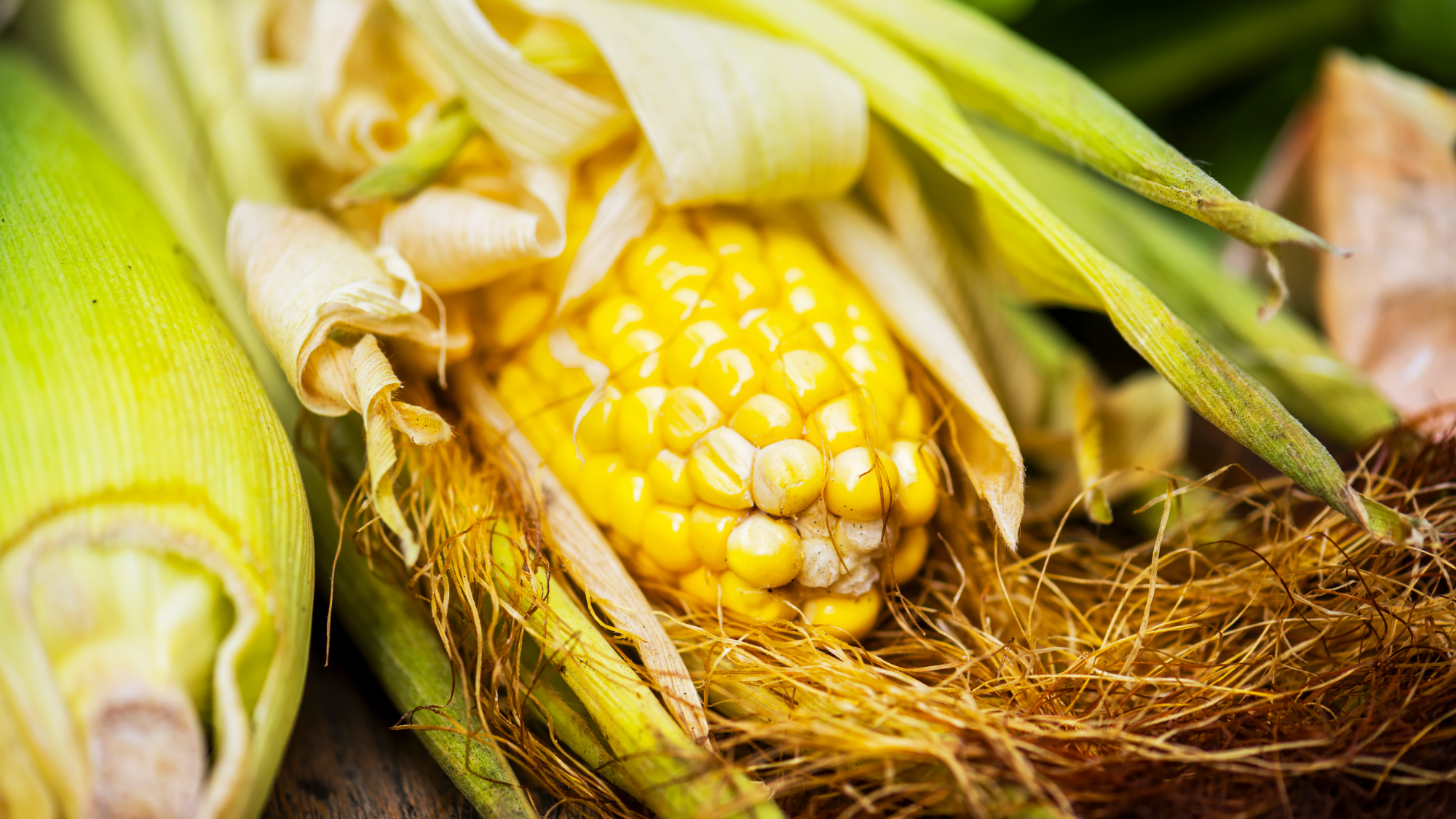
Across Africa, corn (maize) is more than just a crop, it’s the backbone of many traditional diets. From Ghana to Kenya, Nigeria to South Africa, corn is milled, boiled, roasted, and transformed into countless dishes that nourish millions every day.
But beyond its culinary versatility, corn is a rich source of energy, fiber, and essential nutrients that support overall health, especially in regions where food diversity can be limited.
Let’s explore how corn is consumed across Africa, what it brings to the table nutritionally, and why it continues to be a key player in food security and wellness.
Corn in African cuisine: A continental staple
Corn is enjoyed in many forms across the continent, each dish carrying its own cultural and regional identity. Some of the most popular preparations include:
1. Ugali (Kenya, Tanzania, Uganda):
A stiff porridge made by boiling maize flour with water. It’s often served with vegetables, stews, or meat.
2. Pap (South Africa):
Similar to ugali, pap can be soft (for breakfast) or stiff (for lunch or dinner). It's a national favorite.
3. Banku and Kenkey (Ghana):
Fermented corn dough formed into dumplings and served with soups or spicy sauces. Rich in probiotics thanks to the fermentation process.
4. Tuwo (Nigeria):
A smooth cornmeal dish served with soups like egusi or okra.
5. Akamu/Ogi (West Africa):
A fermented corn pudding or porridge often eaten for breakfast. Popular with infants and the elderly due to its soft texture and digestibility.
6. Roasted Corn (Pan-African):
A beloved street snack, roasted maize is enjoyed in cities and villages alike, especially during the rainy season.
These dishes provide affordable, filling, and energy-dense meals, making maize a cornerstone of food security in both rural and urban settings.
Nutritional value of corn
Despite being viewed as a simple grain, corn offers a respectable nutrient profile:
- Carbohydrates: A rich source of complex carbs for sustained energy
- Fiber: Supports digestion and satiety
- B Vitamins (B1, B3, B9): Aid energy metabolism and brain health
- Antioxidants: Lutein and zeaxanthin protect eye health
- Essential Minerals: Including magnesium, phosphorus, and small amounts of zinc
When prepared traditionally, especially through fermentation and milling, corn becomes more bioavailable and easier to digest, unlocking even more health benefits.
Corn and food security in Africa
Corn’s affordability, high yield, and adaptability make it a cornerstone crop in many African countries. Governments and NGOs continue to invest in maize production as a tool to fight:
- Malnutrition
- Hunger in low-income communities
- Food supply instability due to climate change
In regions where access to animal proteins is limited, maize-based meals are often fortified or combined with legumes, vegetables, and oils to create balanced nutrition profiles.
Should corn be eaten daily?
Yes, but with balance. While corn is nourishing, over-reliance on any one staple can lead to nutrient gaps. To optimize its benefits:
- Pair with protein-rich foods like beans, fish, or peanuts
- Include dark leafy greens or okra in stews
- Diversify grains where possible (e.g., sorghum, millet, fonio)
Final thoughts: Celebrating a grain that feeds nations
Corn is more than a crop. It’s a cultural thread that ties together diverse African communities. Whether eaten as banku or akple in Ghana and Togo, ugali in Kenya, or akamu in Nigeria, maize continues to fuel families and futures.
When combined with thoughtful preparation and dietary variety, corn provides both comfort and crucial nutrients, playing a vital role in African wellness and identity.