Introduction: Small but mighty
Among the long list of essential minerals, selenium is often overlooked, but it shouldn’t be. Though required only in trace amounts, selenium plays an outsize role in cell protection, immune defense, thyroid function, and even fertility.
It acts as a cofactor for antioxidant enzymes, helping neutralize free radicals and reduce oxidative stress. And as modern research reveals, selenium is especially important in the age of inflammation, pollution, and chronic stress.
A trace mineral discovered late
Selenium wasn’t identified as essential to human health until the 1950s, making it one of the more recent additions to the nutrition canon. It was originally discovered in 1817 by Swedish chemist Jöns Jakob Berzelius, who named it after the Greek word Selene, meaning “moon,” due to its silvery sheen.
For over a century, selenium was considered potentially toxic. But by mid-20th century, scientists found that a tiny amount of selenium was crucial for preventing cell damage, especially in the liver and heart.
What selenium does in the body
Selenium is a key component of selenoproteins, which serve a variety of protective functions:
- Acts as an antioxidant (part of glutathione peroxidase)
- Supports immune function
- Regulates thyroid hormones
- Protects DNA from oxidative damage
- Promotes sperm motility and male fertility
Selenium and the thyroid connection
The thyroid gland contains more selenium per gram than any other organ in the body. Selenium is essential for converting T4 (inactive) into T3 (active) thyroid hormone and protecting thyroid tissue from inflammation.
Low selenium levels have been associated with Hashimoto’s thyroiditis, an autoimmune thyroid condition, and with poor thyroid performance in iodine-deficient regions.
Signs of selenium deficiency
While selenium deficiency is rare in well-nourished populations, it can occur in areas with selenium-depleted soil or among people with:
- Digestive disorders (e.g. Crohn’s, celiac)
- Chronic inflammation or immune challenges
- Poor diet lacking in whole foods
- Long-term parenteral nutrition (IV feeding)
Symptoms may include:
- Fatigue and mental fog
- Weakened immunity
- Infertility (especially in men)
- Muscle weakness
- Hair thinning or loss
- White spots on fingernails
Severe deficiency can lead to Keshan disease, a heart disorder seen in selenium-deficient regions of China.
How much selenium do you need?
According to the NIH:
- Men and women (19+): 55 mcg/day
- Pregnant women: 60 mcg/day
- Breastfeeding women: 70 mcg/day
- Tolerable Upper Limit (UL): 400 mcg/day
More is not better. High selenium levels (above 400 mcg/day) can lead to selenosis, a condition marked by nausea, hair loss, and nerve damage.
Best Food Sources of Selenium
The Most Potent Source
- Brazil nuts – Just 1–2 nuts can meet or exceed your daily requirement!
Animal Sources
- Tuna and sardines
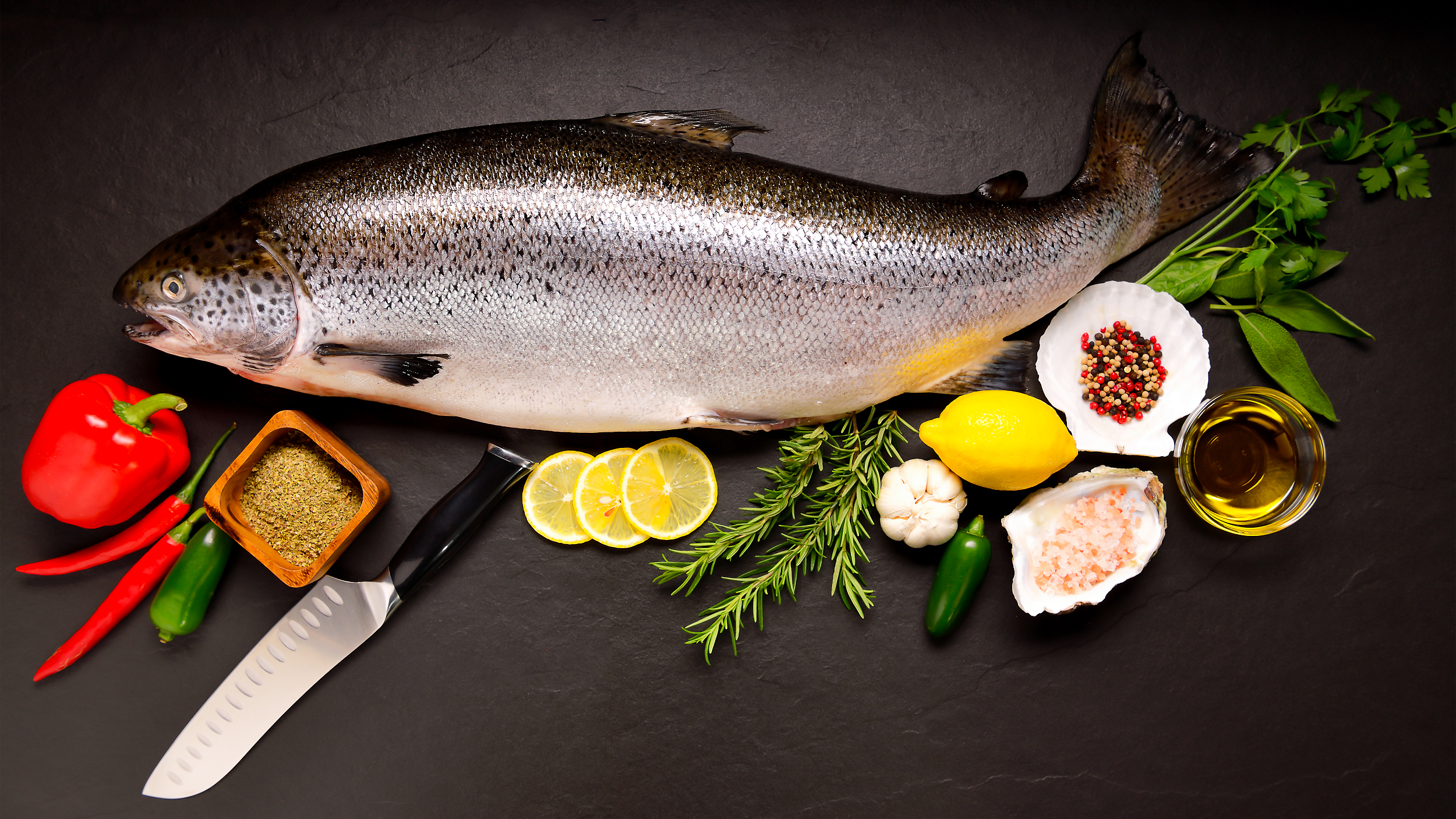
- Salmon
- Turkey and chicken
- Eggs
Plant-Based (soil-dependent)
- Whole grains
- Sunflower seeds
- Mushrooms
- Lentils
Note: Selenium content in plant foods depends on soil levels, which vary widely by region.
Supplementation: When and how
Most people can meet their needs through food, but supplementation may be helpful for:
- People with autoimmune thyroid disorders
- Those on restrictive or low-protein diets
- Individuals with poor soil-based access to selenium
Common forms include:
- Selenomethionine – well absorbed and used by the body
- Sodium selenite – effective but less bioavailable
Supplements typically contain 100–200 mcg, but it’s best to stay below 400 mcg/day unless advised by a healthcare provider.
Nutrient synergy: Selenium’s key partners
- Vitamin E – both act as antioxidants and support immune health
- Iodine – selenium supports healthy thyroid hormone balance
- Zinc – all three play crucial roles in immunity and inflammation regulation
Explore more combinations in our nutrient synergy article.
Final thoughts: Selenium’s silent strength
Selenium plays a starring role in cell protection, hormone balance, and immunity. Just a little goes a long way, and a deficiency, while subtle, can silently disrupt your health over time.
Whether you get it from Brazil nuts, seafood, or a smart supplement, selenium is a daily essential that supports your body from the inside out.
Up Next in the Mineral Masterclass: Potassium
Next, we’ll explore potassium, the electrolyte that keeps your heart steady, your muscles relaxed, and your blood pressure in check. Visit the Volta Santé blog to stay in the loop.