Wellness around the world: Mediterranean lifestyle, eating for heart health

admin |

October 5, 2025 |

From the sunny shores of Greece to the bustling markets of Italy and Spain, the Mediterranean lifestyle has been celebrated for centuries, not just for its flavorful cuisine but also for its remarkable health benefits.

This way of eating consistently ranks among the world’s healthiest diets, with studies linking it to lower risks of heart disease, stroke, and chronic illness. But the Mediterranean lifestyle is more than a menu. It’s a cultural approach to food, family, and joyful living.

Core principles of the Mediterranean diet

The Mediterranean lifestyle is a fusion of fresh ingredients, healthy fats, and mindful eating practices. Its core principles include:

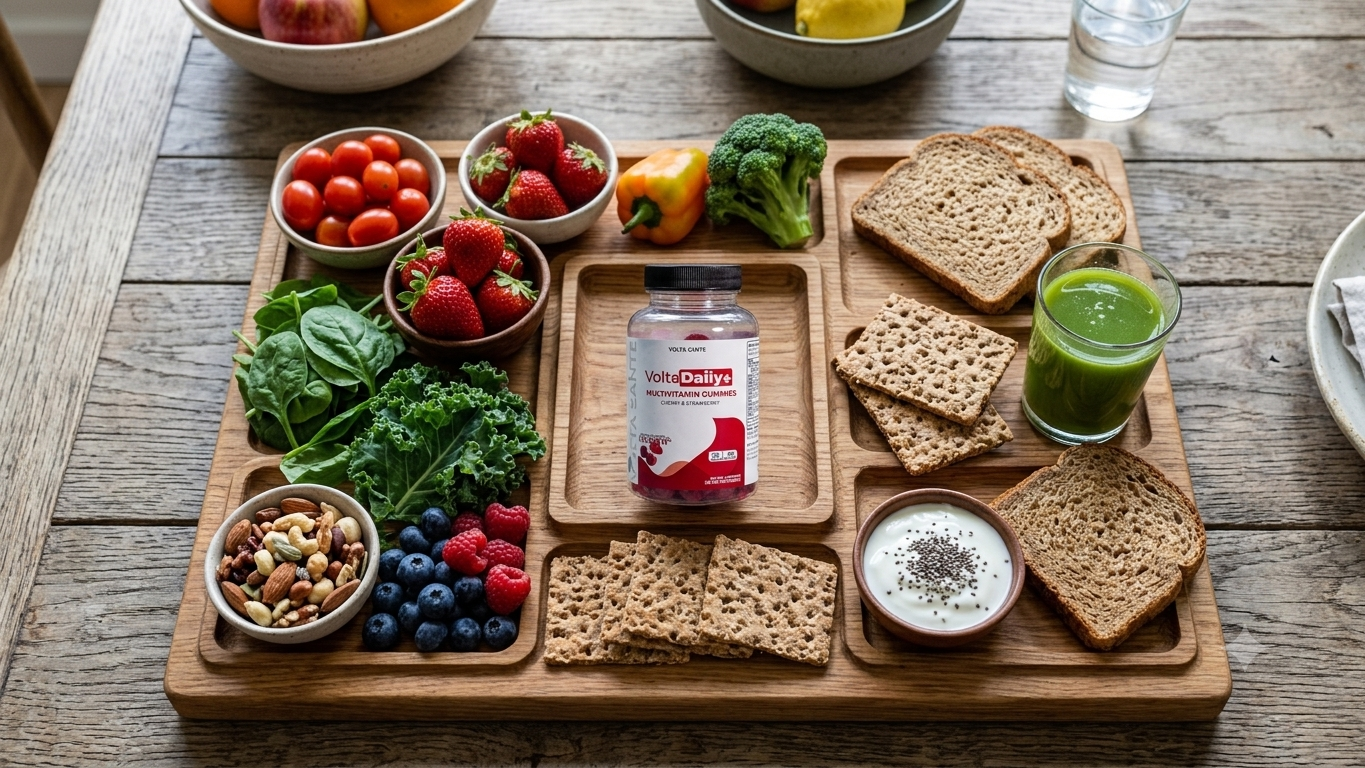
  1. Abundance of plant foods: Fruits, vegetables, legumes, nuts, and whole grains are the foundation of every meal.
  2. Healthy fats: Olive oil is the main source of fat, replacing butter and processed oils.
  3. Moderate protein from the sea: Fish and seafood take center stage over red meat.
  4. Minimal processed foods: Meals are prepared from scratch using fresh, seasonal produce.
  5. Mindful Eating: Food is enjoyed slowly, often with family and friends.

Key foods in the Mediterranean lifestyle

  • Olive oil: Rich in monounsaturated fats and antioxidants, linked to reduced inflammation and better heart health.
  • Tomatoes: Packed with lycopene, an antioxidant that supports cardiovascular wellness.
  • Chickpeas & lentils: Excellent plant-based protein sources.
  • Leafy greens: Nutrient-dense and high in vitamins and minerals.
  • Herbs & spices: Rosemary, oregano, basil, and thyme add flavor without excess salt.
  • Fish & seafood: Salmon, sardines, and mackerel provide heart-healthy omega-3 fatty acids.

Lifestyle beyond the plate

The Mediterranean way of life blends food, activity, and relationships:

  • Leisurely meals: Eating slowly allows for better digestion and greater enjoyment.
  • Active living: Walking, gardening, and outdoor activities are part of everyday life.
  • Community connection: Shared meals strengthen bonds and reduce stress.
  • Seasonal eating: Foods are consumed at their peak freshness for flavor and nutrition.

How to bring the Mediterranean lifestyle into your home

You can start making Mediterranean-inspired changes today:

  • Swap butter for extra virgin olive oil in cooking.
  • Add a colorful salad to every lunch or dinner.
  • Choose fish over red meat for at least two meals a week.
  • Use herbs and spices to season instead of excess salt.
  • Take time to eat without distractions. No rushing. No screens.

The science behind heart health

Research consistently shows that the Mediterranean diet reduces LDL cholesterol, lowers blood pressure, and decreases inflammation. These are all critical for heart health. In fact, a landmark study published in The New England Journal of Medicine found it could reduce the risk of major cardiovascular events by up to 30%.

Conclusion

The Mediterranean lifestyle is proof that healthy eating doesn’t have to be restrictive. It can be flavorful, colorful, and deeply satisfying. By embracing its principles, you nourish not only your body but also your soul.

Start small: drizzle olive oil over fresh greens, savor grilled fish with lemon, share a meal with loved ones. These simple choices can help protect your heart and enhance your well-being for years to come.


RECENT POSTS

Electrolytes

Hydration is not just water: the mineral side of feeling well

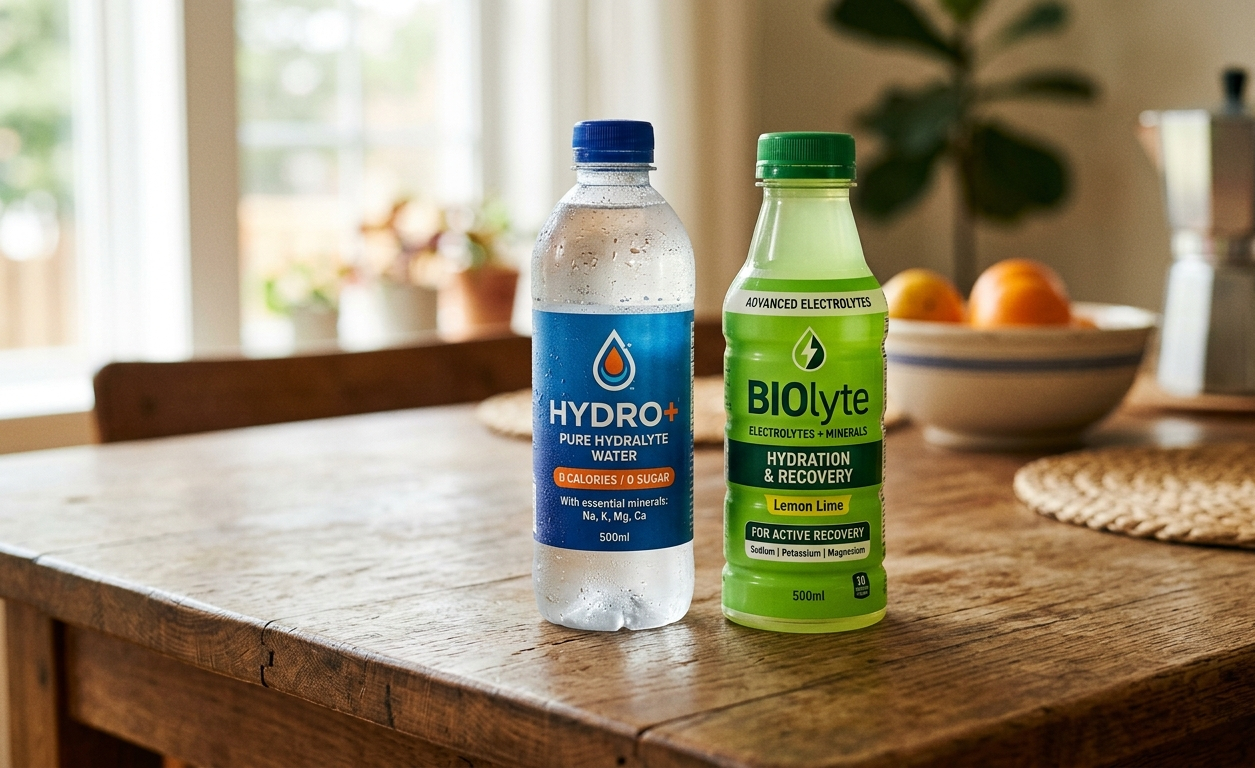
Hydration is more than drinking water. It is the balance of fluid and minerals that helps your muscles move, nerves communicate, body temperature stay steady, and mind remain clear. When heat, sweat, stress, or poor food choices disturb that balance, you may feel tired, foggy, cramped, or simply unwell even when you are drinking plenty daily enough throughout the day.

read more...
Stretcher

The energy gap: why you feel tired even after sleeping

You can sleep through the night and still wake up tired. That tiredness may be your body’s way of asking for better hydration, deeper rest, steadier routines, more movement, or stronger nutritional support. This article explains the energy gap and how small daily habits can help you feel more refreshed, focused, and ready for the day.

read more...
Morning Run

Your morning sets your metabolism: how to start the day well

Your morning does more than begin your day. It sends signals to your body about energy, focus, hydration, movement, and rhythm. A few simple choices after waking can help you feel more alert, steady, and prepared. This guide explores practical morning habits that support metabolism, mental clarity, and everyday wellness without making the routine complicated.

read more...
Coconut oil

Coconut Oil: Tropical and Traditional in African Cuisine

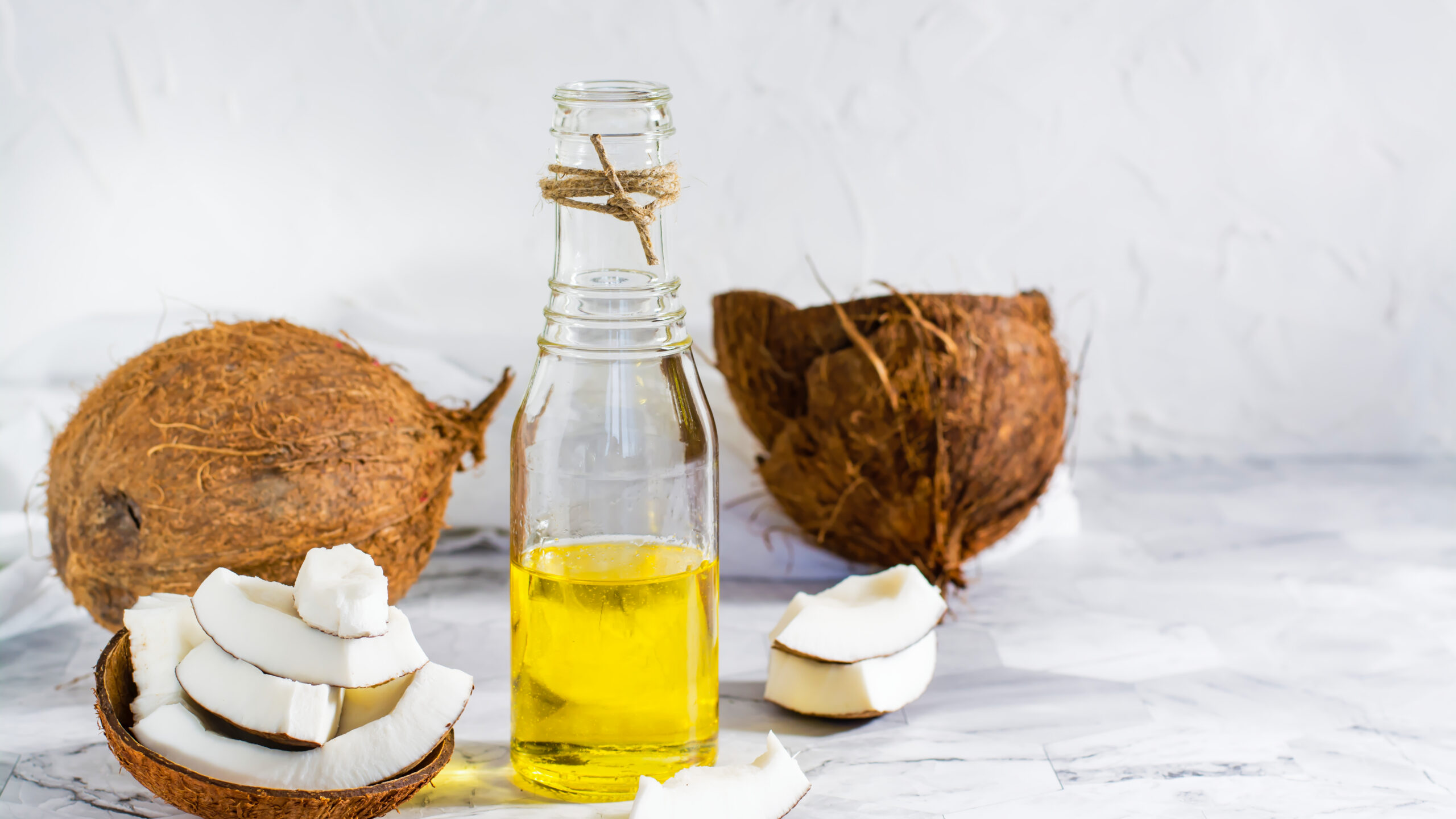
In East and West African coastal communities (Kenya, Tanzania, Ghana, Nigeria, the Seychelles) coconut oil is not new. It is ancient. Pressed from the white flesh of mature coconuts, this oil plays a vital role in stews, rice dishes, and porridges like maharagwe ya nazi (Kenyan coconut bean stew) or ekpang nkukwo (Nigerian cocoyam dish). Coconut trees grow along tropical belts and their oil represents food, medicine and economy.

read more...
Groundnut oil

Groundnut Oil: The people’s choice in African kitchens

The oil pressed from peanuts, groundnut or peanut oil, is a staple in many West African kitchens, prized for its mild nutty flavor, high heat cooking stability and heart friendly fat profile. This article explores its cultural roots, nutritional makeup, health benefits and risks, and how to use it wisely for a healthier life while staying true to tradition.

read more...
Frequently Asked Question

Supplements that boost productivity: Fuel your focus, energy, and brainpower

Mental fatigue can slow down even the best routines. Certain supplements may help support focus, energy, memory, and stress resilience when paired with healthy habits. From B vitamins and omega-3s to magnesium and rhodiola, this guide explores science-backed options that can help you stay sharp, productive, and mentally balanced throughout long workdays, study sessions, and demanding schedules.

read more...
Omega 3

Kids and omegas: Supporting growth and brain health

Omega-3 fatty acids play an essential role in children’s brain development, vision, growth, and immune health from pregnancy through adolescence. This article explores the benefits of DHA and EPA, highlights child-friendly omega-rich foods commonly found in African diets, and shares practical nutrition tips for parents and caregivers looking to support healthy development naturally through everyday family meals.

read more...