
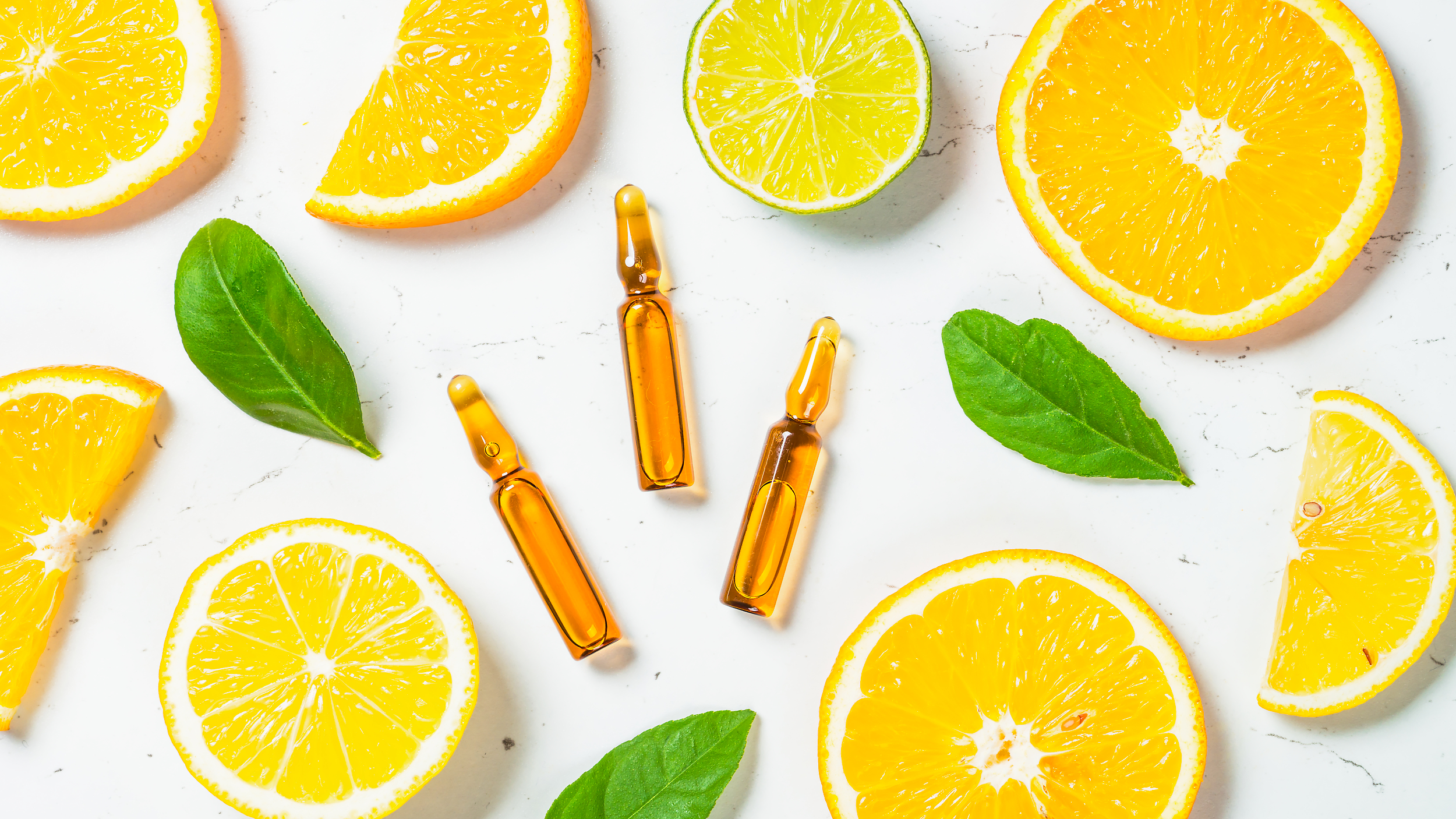
Vitamin C, also known as ascorbic acid, is one of the most essential nutrients your body needs and one of the most talked about. From boosting immunity to supporting skin health, this powerhouse vitamin plays a vital role in keeping you feeling and looking your best.
In this article, we’ll break down everything you need to know about Vitamin C, including its benefits, the best sources, signs of deficiency, and how to supplement it effectively.
What is vitamin C?
Vitamin C is a water-soluble vitamin and a powerful antioxidant. Unlike some other nutrients, the human body can’t produce Vitamin C on its own. This means you must get it from food or supplements. It helps your body form blood vessels, cartilage, muscle, and collagen in bones. It’s also essential for healing and for protecting cells from free radical damage.
Top benefits of vitamin C
1. Boosts immune function
Vitamin C is known for enhancing immune responses. It helps white blood cells function more effectively, strengthens the skin’s defenses, and shortens the duration of colds.
2. Improves skin health
Vitamin C promotes collagen production, helping to keep your skin firm and youthful. It can reduce wrinkles, aid wound healing and improve overall skin tone and texture.
3. Enhances iron absorption
Vitamin C increases the absorption of non-heme iron (the kind found in plant-based foods), making it especially important for vegetarians and those with iron-deficiency anemia.
4. Protects against chronic diseases
Its antioxidant properties may help reduce the risk of chronic conditions like heart disease and certain cancers by neutralizing free radicals.
Best food sources of vitamin C
Vitamin C is abundant in a wide variety of fruits and vegetables. Some top sources include:
- Oranges and citrus fruits
- Strawberries
- Bell peppers
- Kiwi
- Broccoli
- Brussels sprouts
- Kale
Cooking can reduce Vitamin C content, so try to eat these foods raw or lightly cooked when possible.
Signs of vitamin C deficiency
While deficiency is rare in developed countries, it can still occur, especially in those with poor diets, chronic illnesses, or alcohol dependency. Symptoms may include:
- Fatigue or weakness
- Dry, splitting hair
- Swollen or bleeding gums
- Slow wound healing
- Easy bruising
- In severe cases: scurvy
Should you take a supplement?
For most people, getting enough Vitamin C through food is sufficient. However, supplements may be helpful for people with restricted diets, smokers, or those under high stress.
The Recommended Daily Allowance (RDA) for adults is:
- Men: 90 mg/day
- Women: 75 mg/day
- Smokers: Add 35 mg/day
High doses (above 2,000 mg/day) may cause side effects like diarrhea, nausea, or kidney stones.
Bottom line
Vitamin C is an essential nutrient that supports your immune system, skin health, and overall vitality. Whether you’re sipping on a glass of fresh orange juice or adding a supplement to your routine, making sure you’re getting enough can have a big impact on your wellness.
As always, talk to your healthcare provider before starting any new supplement, especially if you have underlying health conditions.
Stay healthy. Stay informed. Stay energized.








