Vitamin A might not be the flashiest nutrient out there, but it’s essential for your survival. Best known for its role in supporting eye health, vitamin A also boosts immunity, promotes healthy skin, and plays a vital role in reproduction and cellular function. In this post, we’ll break down what vitamin A is, where it comes from, what it does, and how to get enough, without going overboard.
What is vitamin A?
Vitamin A is a fat-soluble vitamin that comes in two main forms:
- Preformed vitamin A (retinol): Found in animal products like liver, eggs, and dairy.
- Provitamin A (beta-carotene): Found in plant-based foods like carrots, sweet potatoes, and spinach. The body converts beta-carotene into vitamin A as needed.
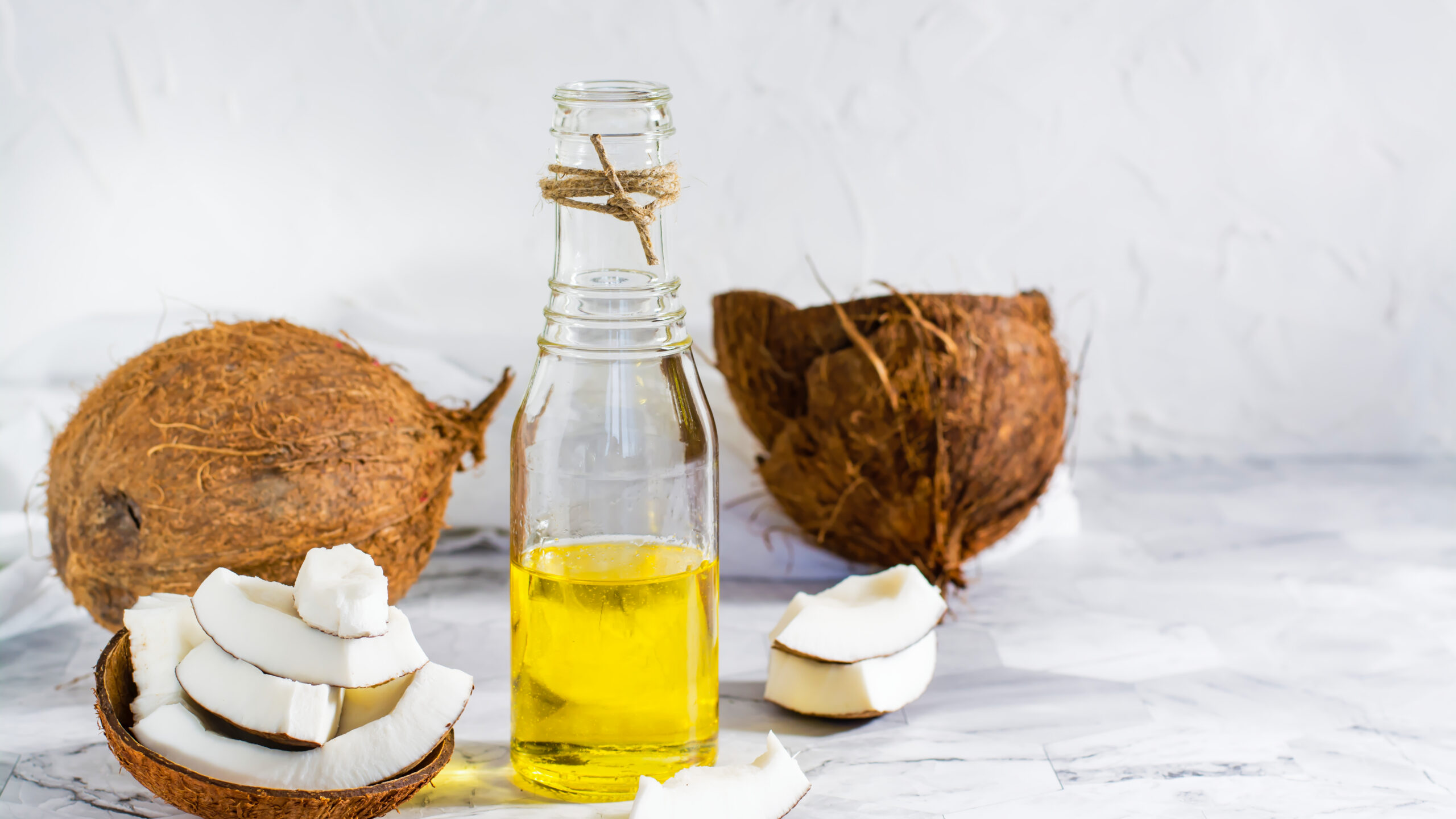
Because vitamin A is fat-soluble, it’s best absorbed when consumed with dietary fats, similar to vitamins D, E, and K, which we cover on the Volta Santé blog.
Health benefits of vitamin A
1. Vision and eye health
Vitamin A is famously associated with good vision, especially night vision. It’s a critical component of rhodopsin, a protein in your eyes that allows you to see in low light. A deficiency in vitamin A is one of the leading causes of preventable blindness in children worldwide, according to the World Health Organization (WHO).
2. Immune function
Vitamin A supports the immune system by maintaining the health of your skin and mucous membranes, which serve as your body’s first line of defense. It also plays a key role in the development and differentiation of white blood cells, which help fight off infections. According to the NIH Office of Dietary Supplements, deficiency can lead to increased susceptibility to infections like measles and diarrhea.
3. Skin health and cellular growth
Vitamin A supports the growth and repair of skin cells and is commonly used in skincare (retinoids) to treat acne, reduce wrinkles, and improve skin tone. It also plays a role in wound healing and the regeneration of epithelial tissues throughout the body.
4. Reproductive and fetal development
Vitamin A is crucial for healthy reproductive function in both men and women and is essential for fetal development during pregnancy. It aids in the proper formation of organs and skeletal structures in the developing embryo.
How much vitamin A do you need?
The recommended daily intake (RDA) for adults is:
- Men: 900 micrograms (mcg) of retinol activity equivalents (RAE)
- Women: 700 mcg RAE
It’s important to note that 1 mcg of retinol ≠ 1 mcg of beta-carotene. In fact, it takes about 12 mcg of dietary beta-carotene to equal 1 mcg of retinol, as the conversion rate is less efficient.
Best food sources of vitamin A
For preformed vitamin A (retinol), include:
- Beef liver (extremely rich—consume in moderation)
- Eggs
- Dairy products (milk, cheese, butter)
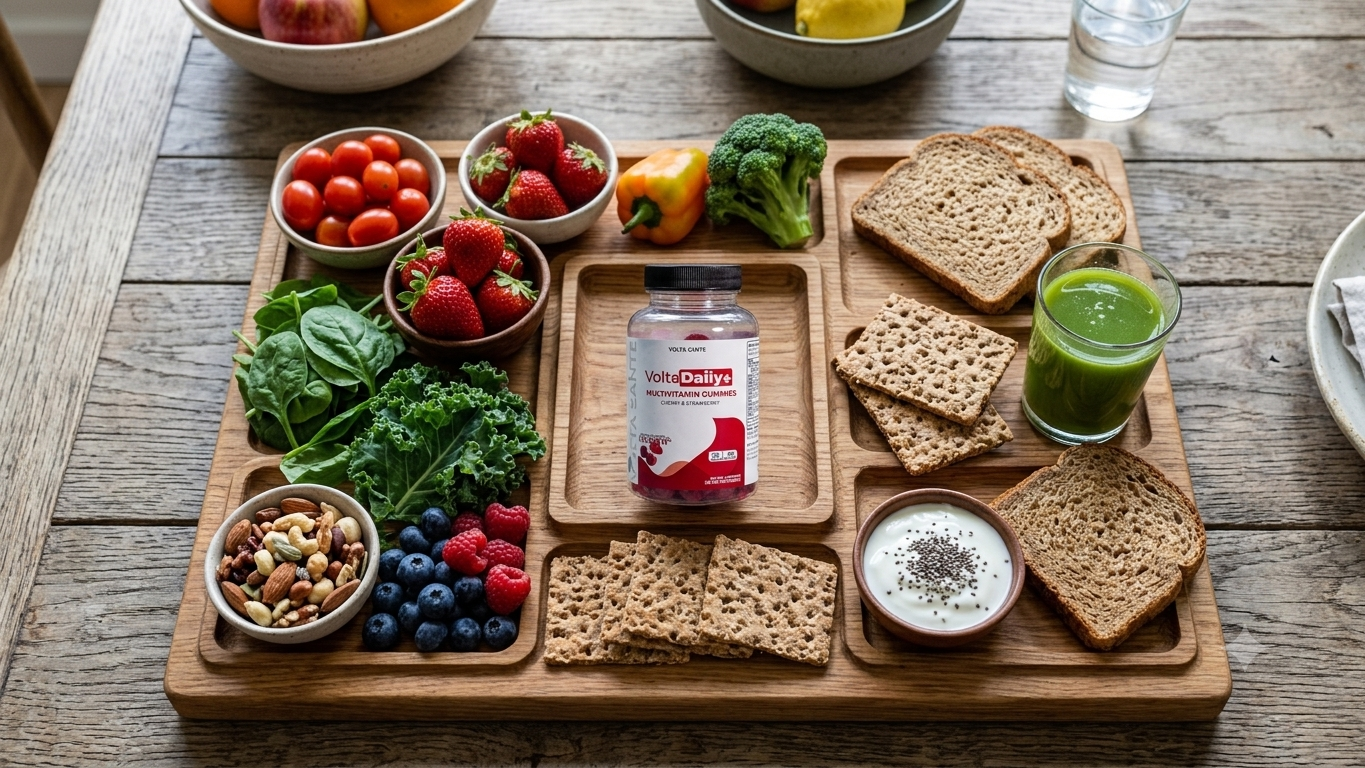
For provitamin A (beta-carotene), focus on colorful plant-based foods like:
- Carrots
- Sweet potatoes
- Pumpkin
- Butternut squash
- Kale and spinach
- Red bell peppers
These foods are not only rich in vitamin A but also loaded with antioxidants that help fight oxidative stress, which we explain in detail on our blog.
Can you take too much?
Yes, you can take too much of vitamin A, especially preformed vitamin A. Since it’s fat-soluble, excess amounts can accumulate in the liver and become toxic, leading to symptoms like nausea, dizziness, liver damage, and even birth defects if consumed in high doses during pregnancy. The tolerable upper intake level (UL) for adults is 3,000 mcg/day from supplements or animal sources.
Beta-carotene, on the other hand, is not toxic, although excessive intake can cause the skin to turn orange, a harmless condition called carotenemia.
Synergy with other nutrients
Vitamin A works best when balanced with other fat-soluble vitamins like D, E, and K. It also works synergistically with zinc, which helps the body transport and utilize vitamin A effectively. To explore these nutrient relationships further, check out our post on vitamins that work better together.
The bottom line
Vitamin A is a cornerstone of good health. It is critical for vision, skin, immunity, and development. Whether you get it from leafy greens, colorful vegetables, or high-quality animal products, it’s important to strike the right balance. Avoid deficiency, but don’t go overboard, especially with supplements.