FOOD SUPPLEMENTS · 6 MIN READ
Author: Volta Santé Editorial Team
Published: June 12, 2025
Last reviewed: August 6, 2026
Reading time: 6 minutes
Download: PDF · 1 page
References: Listed below
Review status: Editorial review complete; not medically reviewed
Food supplements can add vitamins, minerals, botanicals, amino acids, oils, probiotics, and other ingredients to a person’s routine. They can be useful in some circumstances, but they are not a substitute for varied food, appropriate medical care, or habits that support everyday wellbeing.
What is a food supplement?
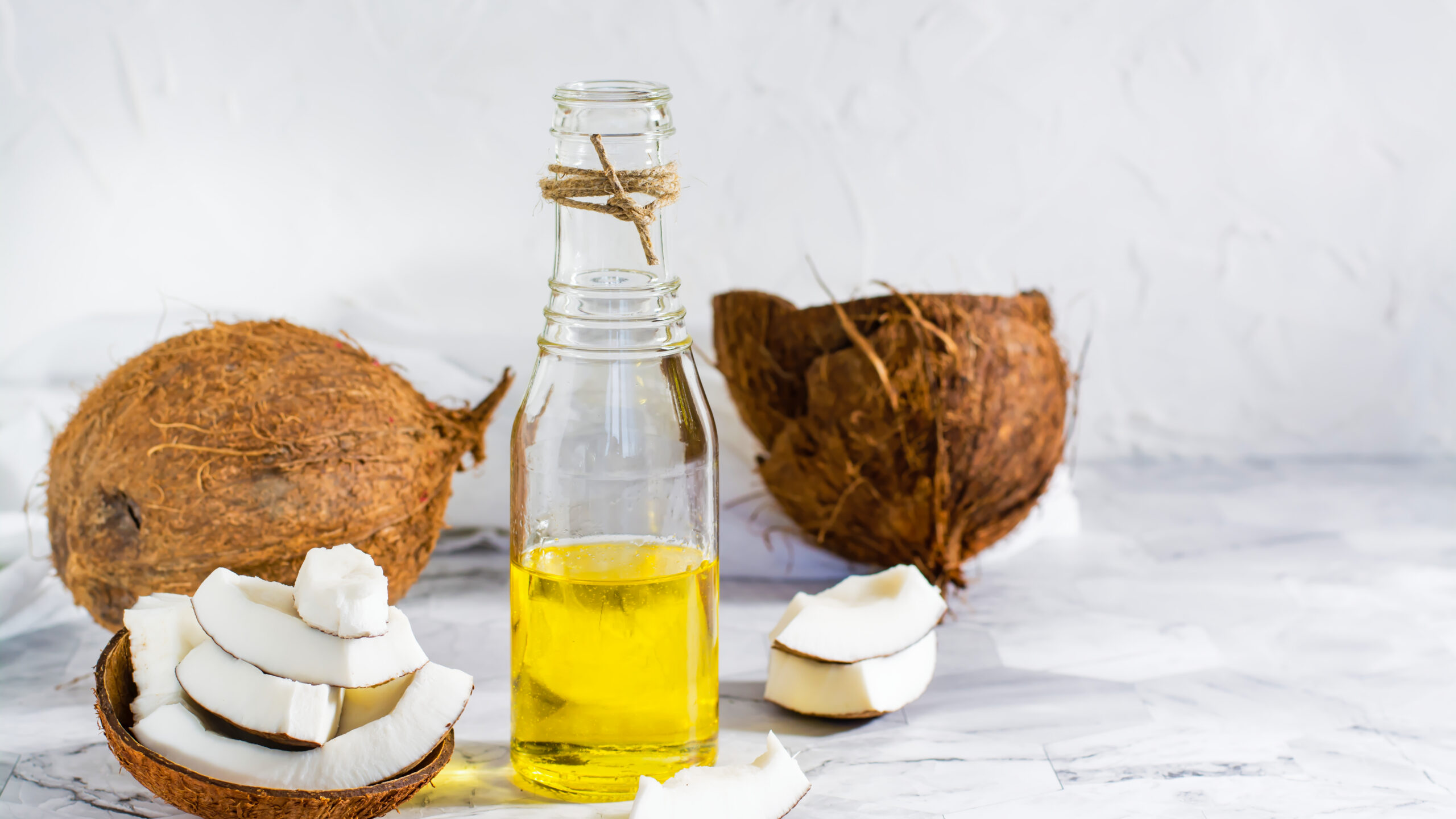
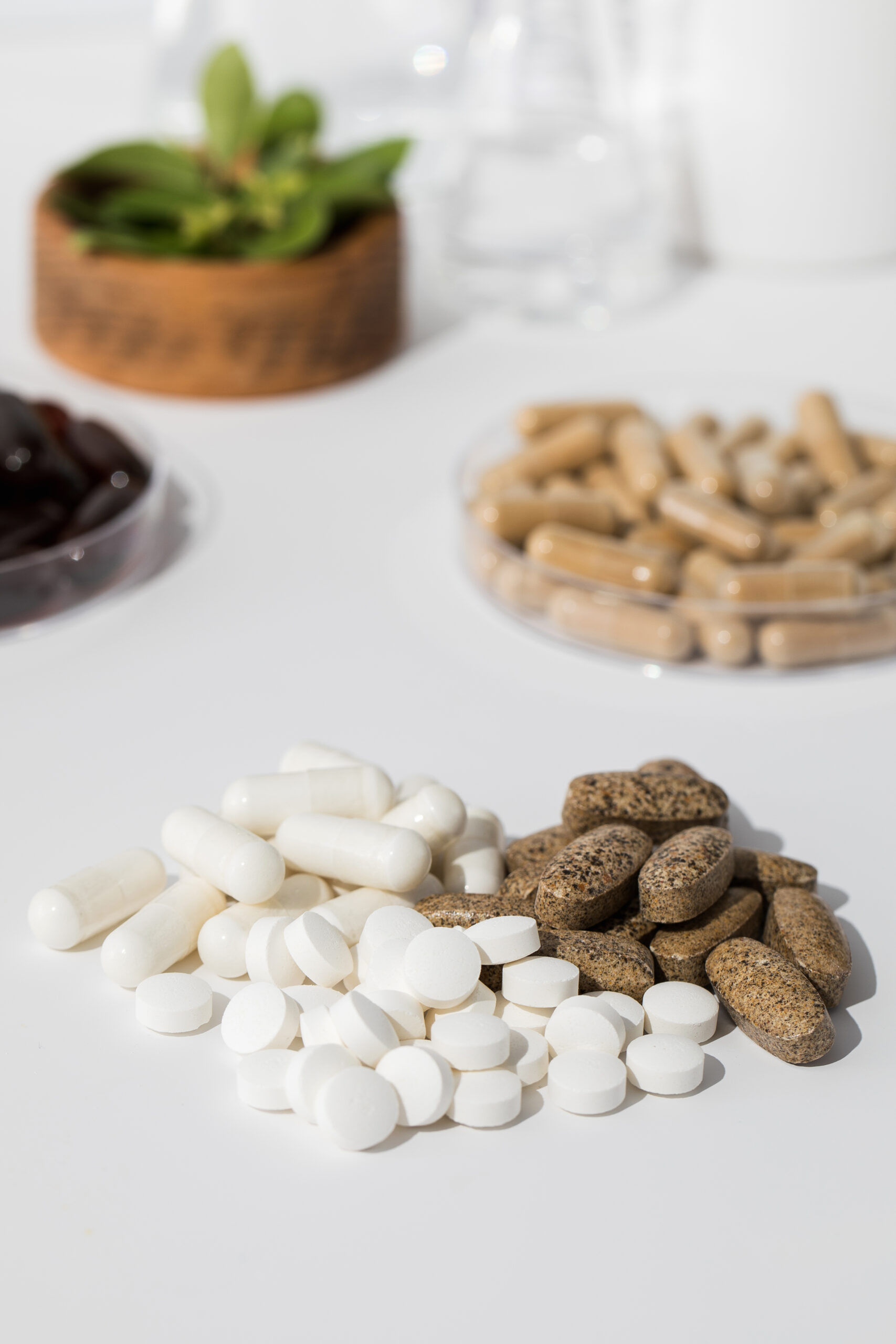
A food or dietary supplement is intended to supplement the diet. Depending on the market and product, it may contain vitamins, minerals, herbs or other botanicals, amino acids, enzymes, probiotics, fatty acids, or other substances. Supplements may be sold as tablets, capsules, gummies, liquids, powders, oils, or similar forms.
The product form does not tell you whether it is appropriate, effective, or high quality. The important questions are what it contains, how much one serving provides, why you are considering it, and how it fits with everything else you eat or take.
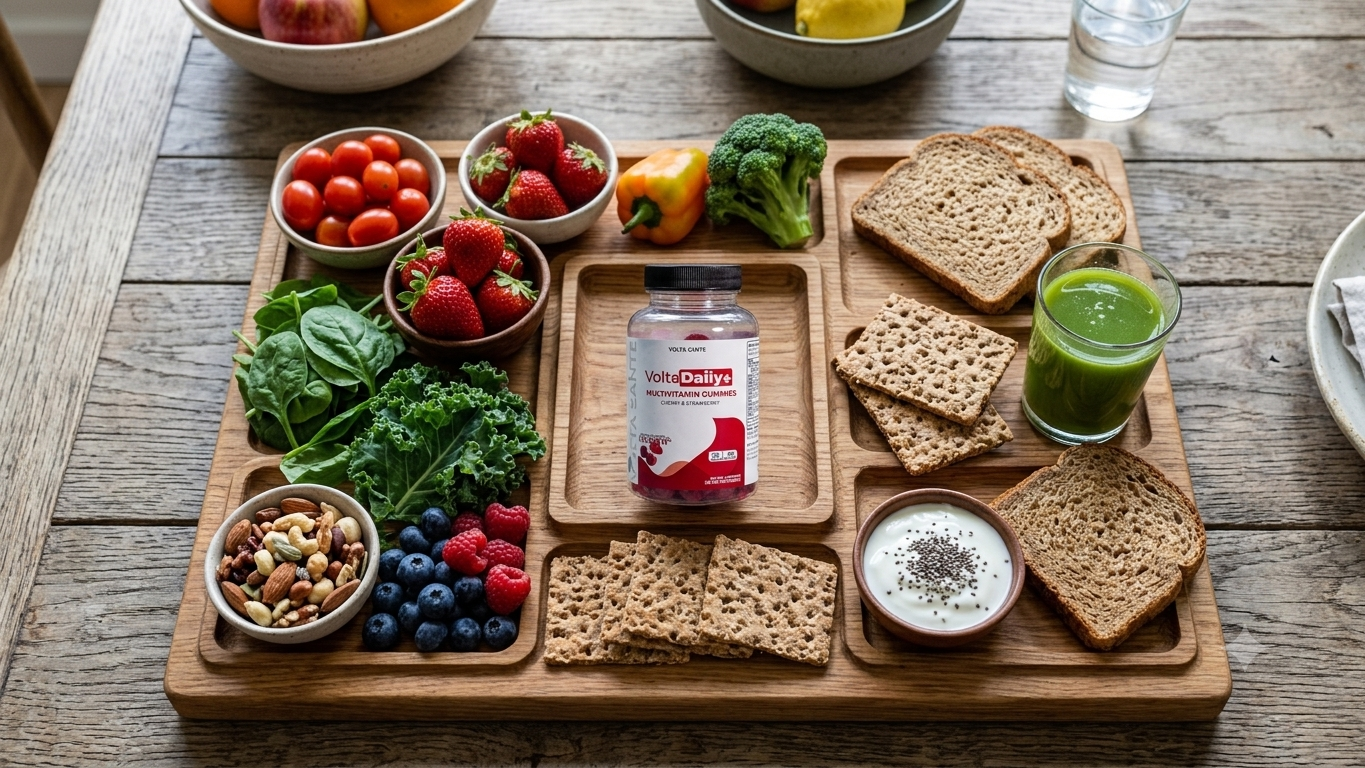
Food first, supplements second
Food provides nutrients together with protein, carbohydrate, fats, fibre, water, and a wide range of naturally occurring compounds. A realistic wellness foundation usually begins with varied meals, hydration, movement, sleep, and appropriate healthcare.
Supplements may complement that foundation when a nutrient need cannot be met reliably through food alone, when a qualified professional recommends one, or during particular life stages and circumstances. They should not be used to compensate for a consistently poor diet or to delay evaluation of persistent symptoms.
When might someone discuss supplementation?
A conversation with a pharmacist, doctor, or registered dietitian may be useful when:
- A dietary pattern excludes important food groups.
- Pregnancy, breastfeeding, age, or another life stage changes nutrient needs.
- A diagnosed condition or medical treatment may affect intake or absorption.
- Testing or clinical assessment identifies a specific concern.
- A healthcare professional recommends a product for a defined reason.
These examples are reasons for an informed conversation, not automatic reasons to self-prescribe. The right product, amount, and duration depend on the person and the situation.
Know the main supplement formats
Compact and convenient, but serving size may include more than one unit.
Easy to take, but check serving size, sweeteners, storage, and child safety.
Useful when flexible portions are needed, but accurate measuring matters.
Review the amount per serving, storage instructions, and other ingredients.
Before choosing a product
- Clarify your goal. Avoid choosing a product only because a claim sounds appealing.
- Review your food and routine. Identify what can be improved without adding another product.
- List everything you take. Include multivitamins, fortified drinks, powders, teas, oils, and botanicals.
- Check for duplication. Several products may contain the same vitamin or mineral.
- Read the complete label. Check serving size, quantities, Daily Values, ingredient forms, directions, other ingredients, and warnings.
- Consider medicines and conditions. Supplements can interact with medicines, procedures, laboratory tests, and health conditions.
- Plan when to reassess. Know why you are taking the product and how you will decide whether to continue.
More is not automatically better
High amounts can increase the chance of unwanted effects and interactions. Combining several single nutrients with a multivitamin can unintentionally create a much larger total intake than expected. Compare complete labels and follow professional advice when it has been provided.
Keep your healthcare team informed
Maintain a current list of supplements alongside your medicines. Include the product name, serving size, amount, frequency, and reason for use. Bring the list—or photographs of the labels—to healthcare visits, especially before procedures or when medicines change.
The bottom line
Supplements can be useful tools when they serve a clear purpose and fit safely into the bigger picture. Begin with food and everyday habits, identify the need, read the full label, avoid unnecessary duplication, and involve a qualified healthcare professional when individual guidance matters.
References and further reading
- NIH Office of Dietary Supplements: Dietary Supplements—Background Information
- NIH Office of Dietary Supplements: Health Information
- World Health Organization: Healthy Diet
Editorial note: Updated August 2026. This resource provides general education and is not medical advice.