
Potassium: Hidden in soil, key to hydration

Volta Santé Editorial Team |

March 27, 2026 |

Where it begins

Potassium is naturally found in many igneous and sedimentary rocks, especially in minerals like feldspar and mica. Through weathering, it is released into soils as potassium ions, which plants readily absorb.

Unlike some other nutrients, potassium is highly mobile in soil and water, making it easily lost through leaching, especially in sandy or heavily irrigated soils. That’s why potassium-rich soils are more common in humid regions with good organic content.

How it enters your plate

Potassium is widely available in both plant and animal foods—and in West Africa, it’s abundant in traditional staples, such as:

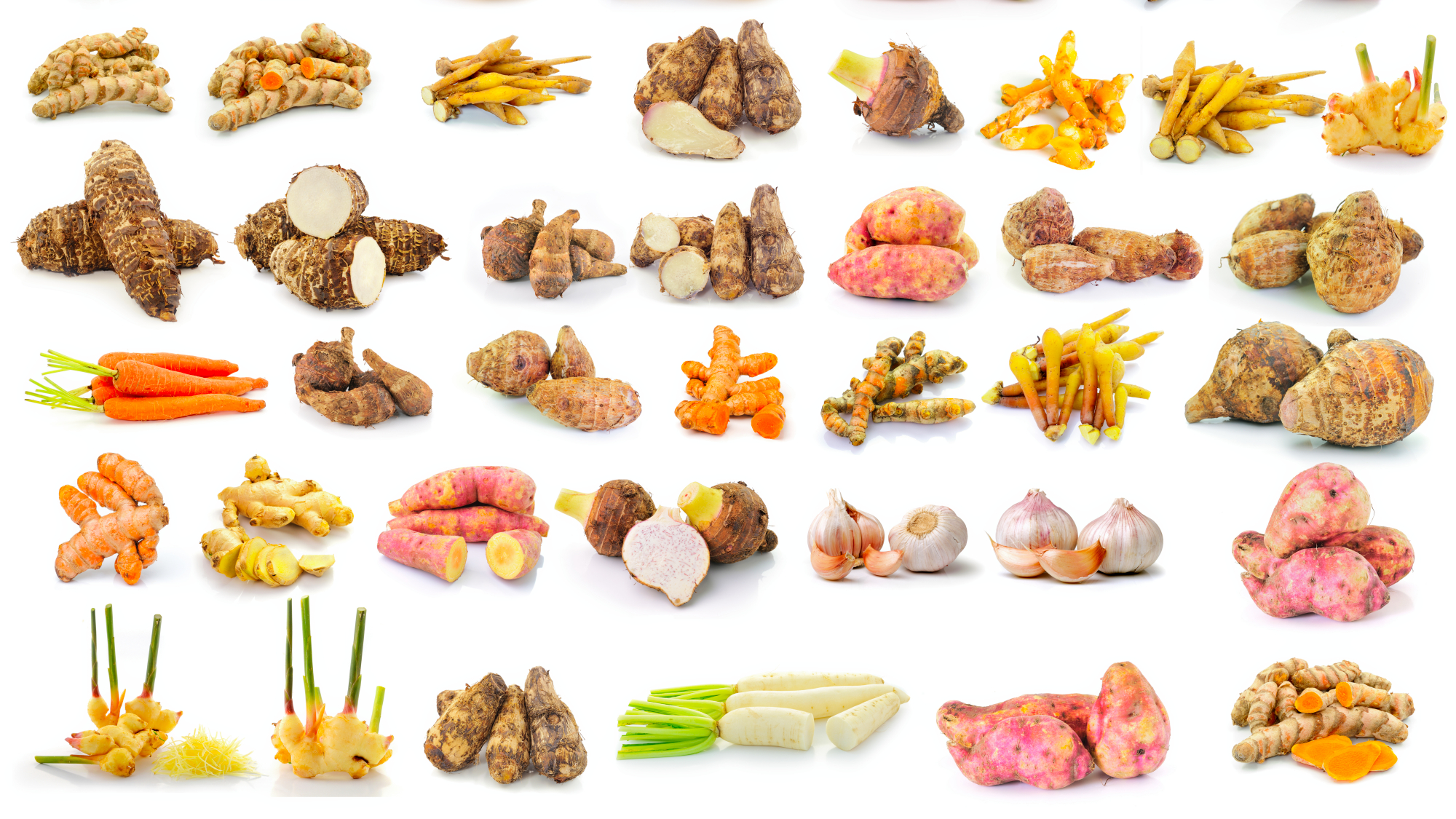
  • Yam, sweet potato, and cassava
  • Plantain and banana, especially when ripe
  • Beans, lentils, and groundnuts
  • Tomatoes and leafy greens, like spinach and ugu
  • Coconut water, a natural electrolyte beverage

Unlike sodium, which is often added during cooking, potassium comes mostly from whole, unprocessed foods—which is why it’s more common in traditional diets than ultra-processed ones.

What it does in your body

Potassium plays a central role in electrolyte balance, working inside your cells to:

  • Regulate fluid levels and prevent dehydration
  • Maintain normal blood pressure by counteracting sodium
  • Support muscle contractions, including the heart
  • Transmit nerve signals between the brain and body
  • Balance acidity (pH) within cells and tissues

Even mild potassium imbalance can affect how your muscles and nerves function, while severe deficiency can be life-threatening.

Are you getting enough?

Most people eating traditional West African diets rich in roots, tubers, and legumes meet their potassium needs. However, low intake may occur when:

  • Diets rely heavily on processed or salty foods
  • There’s chronic diarrhea or fluid loss
  • Certain medications (like diuretics) increase potassium loss

Signs of potassium deficiency include:

  • Muscle weakness or cramps
  • Fatigue and irregular heartbeat
  • Constipation or numbness
  • Severe cases: paralysis or cardiac arrest

Takeaway Tips: Boosting Potassium Naturally

  1. Include tubers regularly—yam, cocoyam, and sweet potatoes are potassium goldmines.
  2. Add plantain to meals, baked or boiled, for a potassium-rich side.
  3. Use tomatoes and leafy greens in soups, stews, and sauces.
  4. Snack on dried fruits like banana chips (low-sodium versions).
  5. Stay hydrated with coconut water for a natural electrolyte boost.

RECENT POSTS

Gym

Muscle Is your longevity organ: Why strength matters more after 40

Muscle does far more than help you lift weights. It supports movement, balance, metabolism, blood sugar control, bone health, and independence. As muscle mass and strength gradually decline with age, maintaining them becomes increasingly important. After 40, resistance training, adequate protein, and regular movement can help build the physical reserve you may depend on later in life.

read more...
After40

What actually happens to your body after 40?

Turning 40 does not suddenly change your body, but it often marks the beginning of more noticeable shifts in muscle, metabolism, hormones, bone health, recovery, and body composition. The good news is that these changes are not entirely outside your control. Nutrition, movement, sleep, and strength training can strongly influence how well you age over the decades ahead with confidence.

read more...
Cacao origins

From the Amazon to Africa: Cocoa’s remarkable journey

From its ancient roots in the Upper Amazon to the farms of West and Central Africa, cacao has traveled across cultures, oceans, and centuries. Discover how Indigenous knowledge, colonial trade, and African farmers transformed a sacred American crop into one of the world’s most cherished foods—and why its true history is richer and more complex than many realize today.

read more...
Food First

Food first, supplements second: how to build a realistic wellness routine

A strong wellness routine should begin with food, not pills. Supplements can support the body, but they work best when they complement good daily habits. This article explains how to build a realistic routine around real food, hydration, movement, rest, and smart supplementation without overpromising what supplements can do or making wellness feel complicated.

read more...
Sesame Oil

Seed‑oil sophistication: Sesame oil in African cooking contexts

Sesame oil is emerging in African and diaspora kitchens as a flavorful, health friendly oil. With a light nutty aroma, rich in unsaturated fats and unique bioactive compounds, this oil bridges tradition and modern nutrition. This article explores its cultural role, nutrition profile, health benefits and cautions, and how to use it wisely in healthy African cuisine cooking.

read more...
Coconut oil

Coconut Oil: Tropical and Traditional in African Cuisine

In East and West African coastal communities (Kenya, Tanzania, Ghana, Nigeria, the Seychelles) coconut oil is not new. It is ancient. Pressed from the white flesh of mature coconuts, this oil plays a vital role in stews, rice dishes, and porridges like maharagwe ya nazi (Kenyan coconut bean stew) or ekpang nkukwo (Nigerian cocoyam dish). Coconut trees grow along tropical belts and their oil represents food, medicine and economy.

read more...







