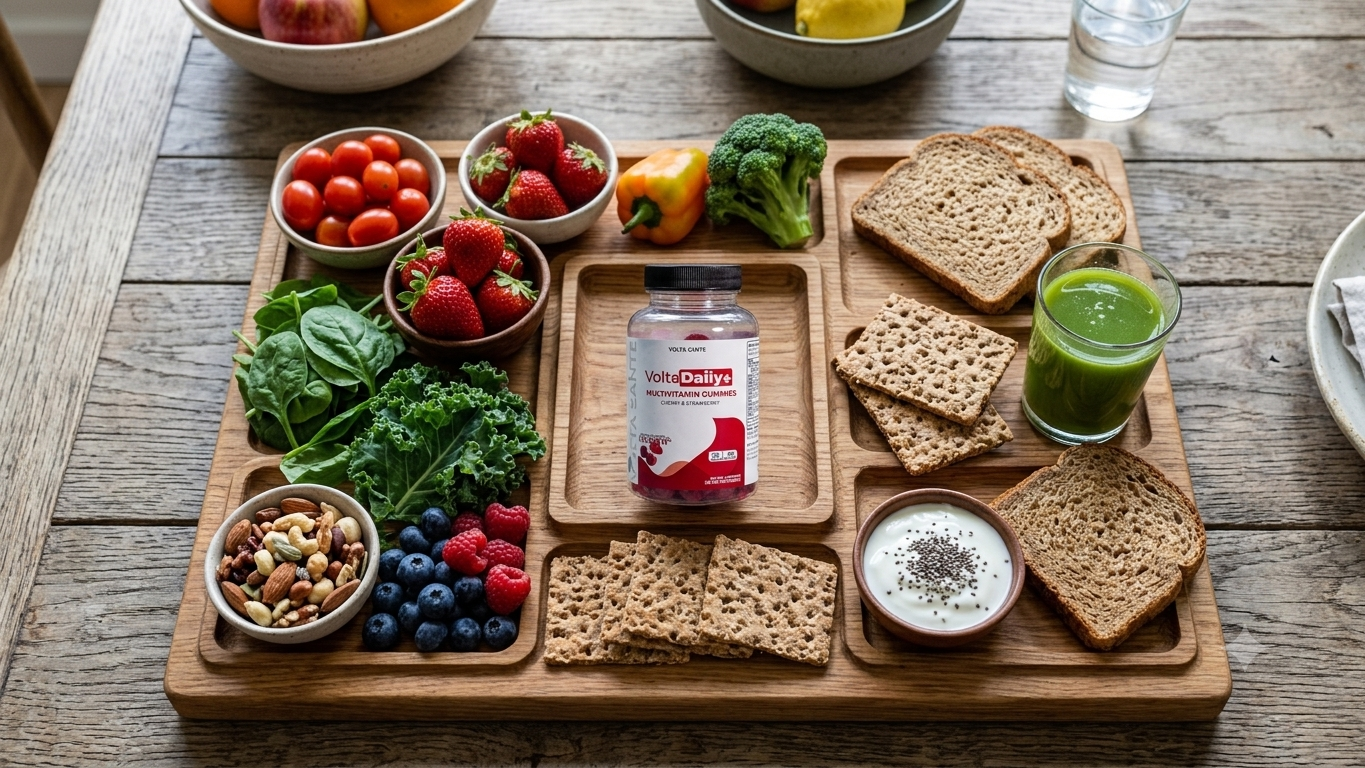
Introduction: The underrated powerhouse
Of all the minerals in your body, magnesium may be the most quietly essential. It doesn’t make headlines like calcium or iron, but it plays a role in over 300 enzymatic processes, affecting everything from energy production and muscle function to mood regulation and sleep quality.
Often called the “master regulator,” magnesium is especially important today when stress, processed foods, and poor soil quality make magnesium deficiency more common than most people realize.
A history of quiet importance
Magnesium was first isolated in 1808 by chemist Sir Humphry Davy, but it didn’t enter the nutrition spotlight until the mid-20th century, when doctors began observing that magnesium helped regulate nerve impulses, heartbeat rhythms, and electrolyte balance.
Yet despite its early discovery, magnesium has long remained underappreciated, partly because its deficiency symptoms are vague, and partly because it’s often displaced in processed foods.
What magnesium does in the body
Magnesium is a cofactor in hundreds of bodily processes. It helps:
- Convert food into energy (ATP production)
- Regulate muscle and nerve function
- Support steady heart rhythms
- Build strong bones and teeth
- Maintain blood glucose and blood pressure
- Synthesize DNA, RNA, and protein
- Promote relaxation and better sleep
Are you getting enough?
Surprisingly, many people, especially women and older adults, don’t meet the recommended magnesium intake. Risk factors for deficiency include:
- High stress levels
- Excess alcohol or caffeine
- Low intake of leafy greens and legumes
- Certain medications (diuretics, PPIs, antibiotics)
- Chronic illnesses (diabetes, digestive disorders)
Signs of magnesium deficiency
Because magnesium is involved in so many functions, its deficiency shows up in multiple ways:
- Muscle cramps or twitching
- Fatigue and low energy
- Headaches or migraines
- Anxiety or mood swings
- Difficulty sleeping
- Irregular heartbeat
- Constipation
Long-term deficiency has been linked to increased risk of hypertension, heart disease, insulin resistance, and osteoporosis.
How much magnesium do you need?
According to the National Institutes of Health:
- Men (19–30): 400 mg/day
- Women (19–30): 310 mg/day
- Men (31+): 420 mg/day
- Women (31+): 320 mg/day
Pregnant and breastfeeding women often need more.
Best Food Sources of Magnesium
Plant-Based Sources
- Dark leafy greens (spinach, Swiss chard)
- Pumpkin seeds
- Black beans, chickpeas, lentils
- Avocados
- Bananas
- Whole grains (brown rice, quinoa)
- Dark chocolate (70%+ cacao) – delicious and magnesium-rich!
Magnesium supplements: Forms that work
If you’re not getting enough from food, supplements can help. Here are common forms:
- Magnesium glycinate – best for sleep and anxiety, gentle on the stomach
- Magnesium citrate – supports digestion and regularity
- Magnesium oxide – high dose, but low absorption
- Magnesium threonate – may support brain health and focus
- Magnesium malate – great for energy and muscle support
🕐 Best taken in the evening for relaxation and sleep benefits.
Nutrient synergy: Magnesium’s best partners
Magnesium works closely with:
- Calcium – supports bone health, but must be balanced to avoid cramps
- Vitamin D – magnesium activates vitamin D in the body
- B Vitamins – especially B6, to enhance magnesium absorption
- Potassium – helps regulate heart rhythm and fluid balance
Explore more synergistic combinations in our nutrient synergy guide.
Final thoughts: The mineral for modern living
Magnesium might not grab headlines, but its quiet, powerful influence on the body makes it one of the most crucial minerals for modern life, especially in a world full of stress, processed food, and sleep disruption.
Whether you’re looking to boost energy, calm your nerves, or simply feel more balanced, magnesium is the unsung hero your body needs every day.
Up next in the mineral masterclass: Zinc
Next, we’ll explore the story of Zinc. The small-but-mighty mineral essential for immunity, wound healing, skin health, and reproductive function. Follow along on the Volta Santé blog for the next installment.