What insulin resistance is
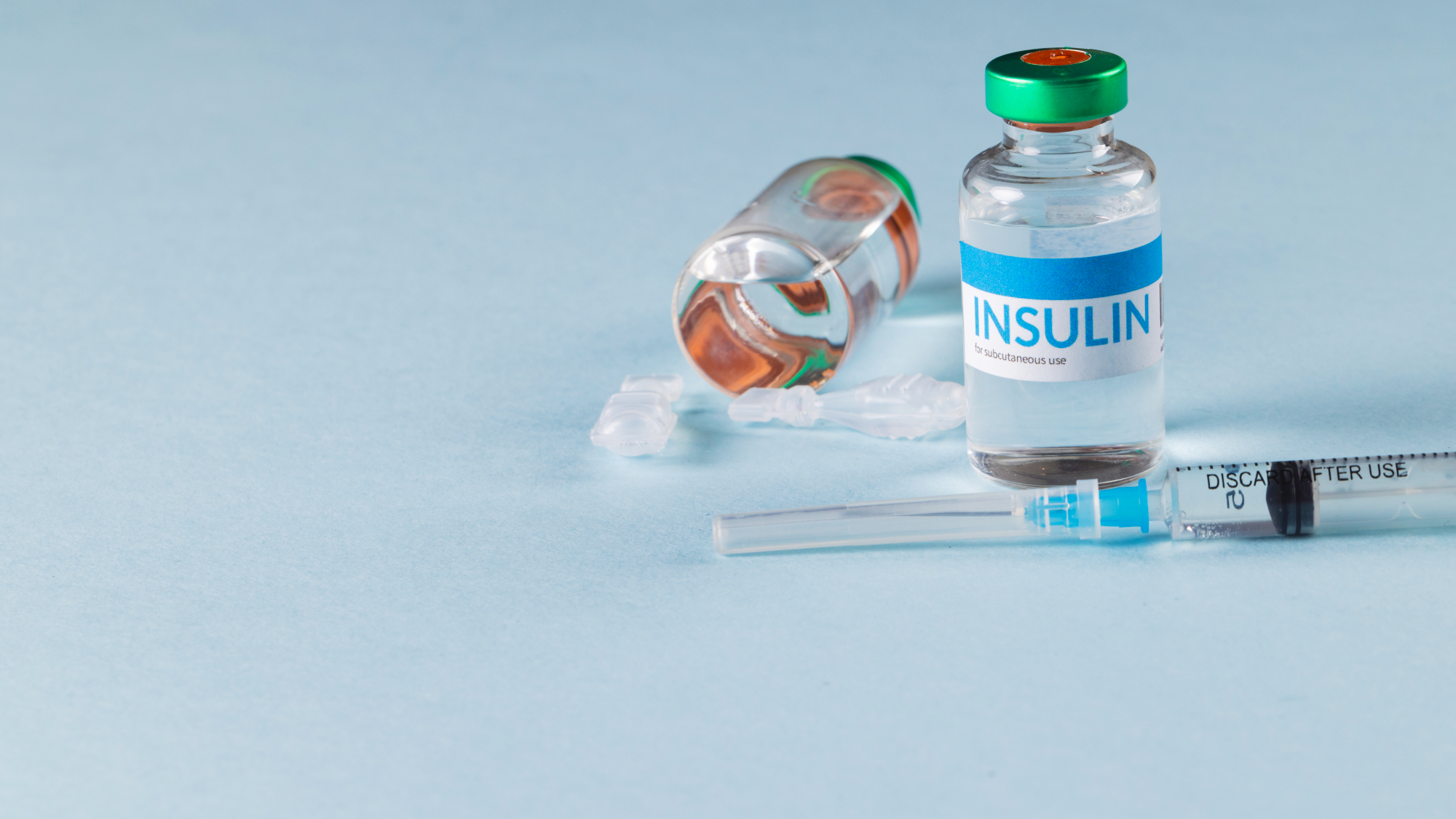
Insulin is the hormone that helps move glucose from blood into cells. In insulin resistance, cells respond poorly, so the pancreas makes more insulin to cope. Over time, glucose rises and risk for prediabetes and type 2 diabetes climbs. This biology mainly involves muscle, liver, and adipose tissue.
Who is at risk
Risk grows with aging, family history, and certain ethnic backgrounds. Lifestyle plays a major role. Physical inactivity, excess body weight, and smoking all raise risk. You cannot change your age or genes, but you can change daily habits that improve insulin sensitivity.
What prevention looks like in real life
Move most days. Exercise improves insulin sensitivity in the hours and days after each session. Both aerobic and resistance training work, and benefits scale with consistency. Even short, structured programs improve sensitivity. Aim for weekly mixes of brisk walking, cycling, and strength work.
Lose a little weight if advised. Modest weight loss can bring meaningful improvements in insulin sensitivity and beta cell function. Benefits often appear with 5 to 10 percent weight loss and may continue with further losses when appropriate. Seek a safe, sustainable plan.
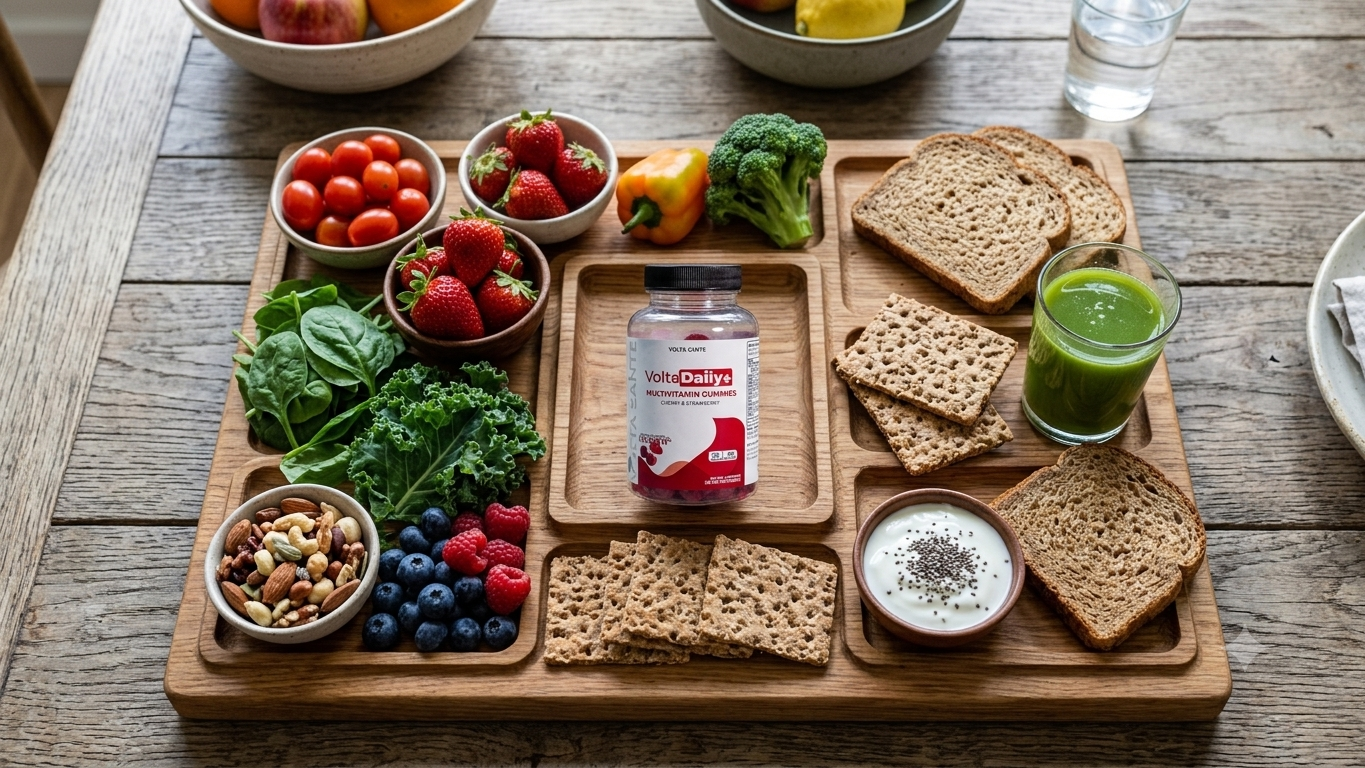
Eat for fiber and healthy fats. Higher fiber intakes are linked to better glycemic control and a lower risk of type 2 diabetes. Building meals around vegetables, beans, whole grains, fruit, nuts, and olive oil helps weight, lipids, and inflammation. Mediterranean style patterns show signals for lower insulin resistance and diabetes risk.
Sleep like it matters. Short sleep, fragmented sleep, and untreated sleep apnea are associated with insulin resistance, independent of weight in many studies. Target 7 to 9 hours, keep regular bed and wake times, and seek evaluation if snoring or daytime sleepiness is present.
Do not smoke. Smoking is associated with insulin resistance in a dose dependent fashion. Quitting supports better insulin action and broader cardiometabolic health.
Mind alcohol and ultra processed foods. Keep alcohol modest if you drink, and favor minimally processed foods to help satiety and overall diet quality. These steps indirectly improve insulin sensitivity by reducing excess calories and refined starches
A sample prevention plan
- Most days of the week, do 30 to 45 minutes of activity. Combine brisk walking or cycling with two short strength sessions targeting major muscle groups.
- Fill half your plate with vegetables or salad, add a fist sized portion of beans or intact whole grains, and include a palm sized lean protein. Use olive oil for cooking and dressings.
- Aim for at least 25 to 38 grams of fiber daily through food. If you are far below that, step up gradually to avoid discomfort.
- Set a consistent sleep schedule and wind down without screens. If your partner notices loud snoring or pauses in breathing, discuss a sleep study.
- If you smoke, ask your clinician about nicotine replacement or medications that double quit rates. Quitting supports insulin sensitivity.
When to talk to a clinician
If you have a strong family history, had gestational diabetes, or notice increased thirst and urination, ask about blood tests for prediabetes and diabetes. Early detection plus lifestyle change can delay or prevent progression.
Bottom line
Insulin resistance is common, important, and modifiable. Regular movement, modest weight loss when needed, high fiber eating patterns, good sleep, and not smoking form a powerful package. Start small, stay consistent, and build a routine that fits your life.