The science behind multivitamins. Do they really work?

admin |

June 13, 2025 |

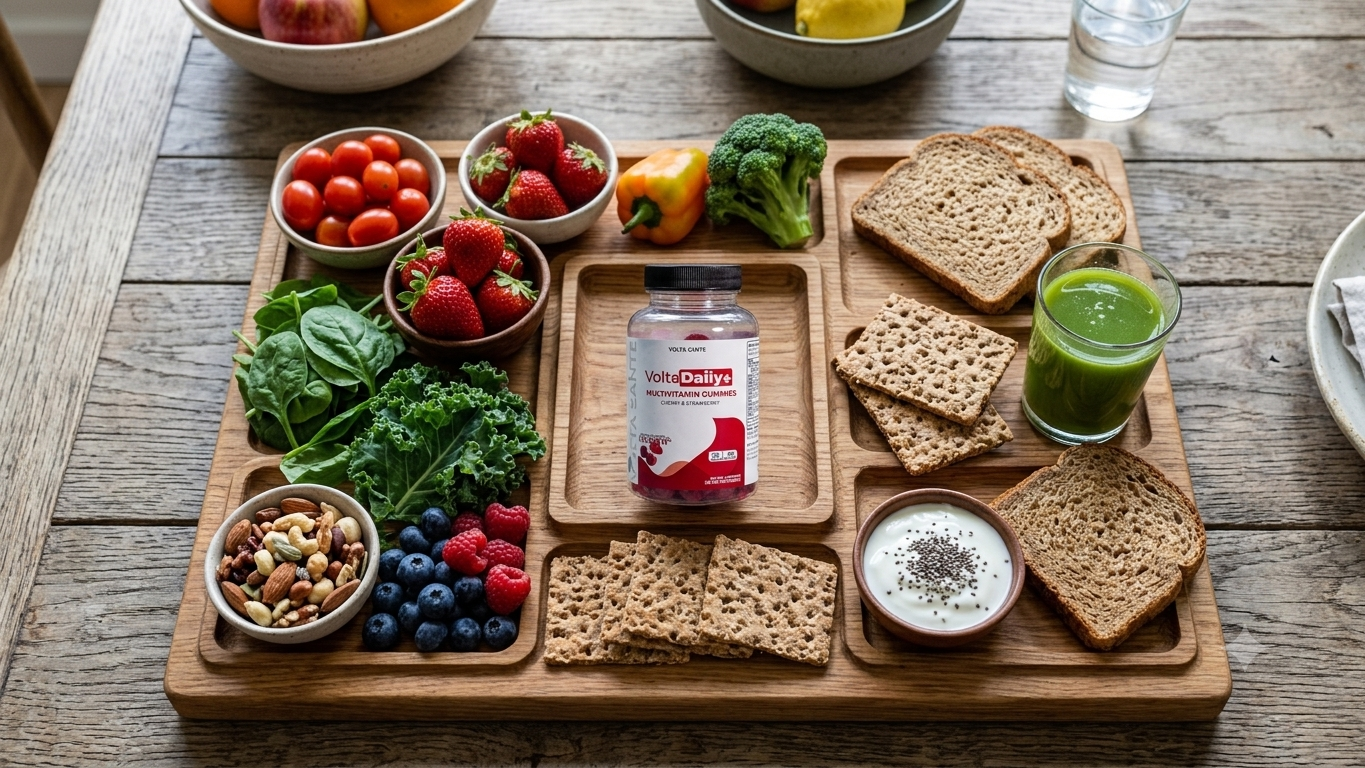
Multivitamins are a go-to solution for millions aiming to boost their health and fill nutritional gaps. With promises of more energy, better immunity, and chronic disease protection, they sound like the ultimate wellness shortcut. But do they really work—or are they just marketing in a bottle? Let’s dive into the science and separate the myths from the evidence.

What are multivitamins?

Multivitamins are dietary supplements that typically contain a mix of essential vitamins and minerals. Most formulas include:

Depending on the product, they may also include extras like herbs, probiotics, or enzymes.

Do multivitamins really work? Here’s what science says

They can help in specific populations
Studies show multivitamins can benefit people with specific health concerns or dietary restrictions:

  • Older adults may absorb nutrients less efficiently and often benefit from added B12 and vitamin D.
  • Pregnant women need extra folate, iron, and iodine to support fetal development.
  • People with limited diets (e.g., vegans, vegetarians, or those with food allergies) often need help covering all nutrient bases.

A study published in JAMA showed that multivitamin use among men aged 50+ was associated with a modest reduction in cancer risk.

For the Average Healthy Person? The Results Are Mixed

If you’re already eating a balanced diet, multivitamins may offer little additional benefit. A widely cited review in Annals of Internal Medicine concluded there's no significant evidence that multivitamins prevent chronic disease or mortality. However, other studies suggest small cognitive or energy benefits, especially when correcting subtle deficiencies.

How to Choose a Multivitamin That Works

Here’s what to look for when shopping for a reliable multivitamin:

  1. Bioavailable ingredients – Like methylated B12 (methylcobalamin) and magnesium glycinate.
  2. Third-party tested – Look for certifications from groups like USP, NSF, or ConsumerLab.
  3. Tailored formulas – Choose one designed for your age, sex, and lifestyle.

Supplements can support a healthy lifestyle

Multivitamins are best used as nutritional insurance and not a get-out-of-vegetables-free card.

To get the most out of them:

  • Pair with a balanced diet
  • Limit processed foods
  • Get regular bloodwork to track nutrient levels
  • Consult with a healthcare provider if you have medical conditions or take medications

Final verdict: Do multivitamins really work?

Yes, but only when used purposefully.
They’re not cure-alls, but for many people, they fill critical nutrient gaps and support overall well-being. The key is to choose the right one, backed by science, and pair it with a lifestyle rooted in real food, sleep, movement, and stress management.


RECENT POSTS

Electrolytes

Hydration is not just water: the mineral side of feeling well

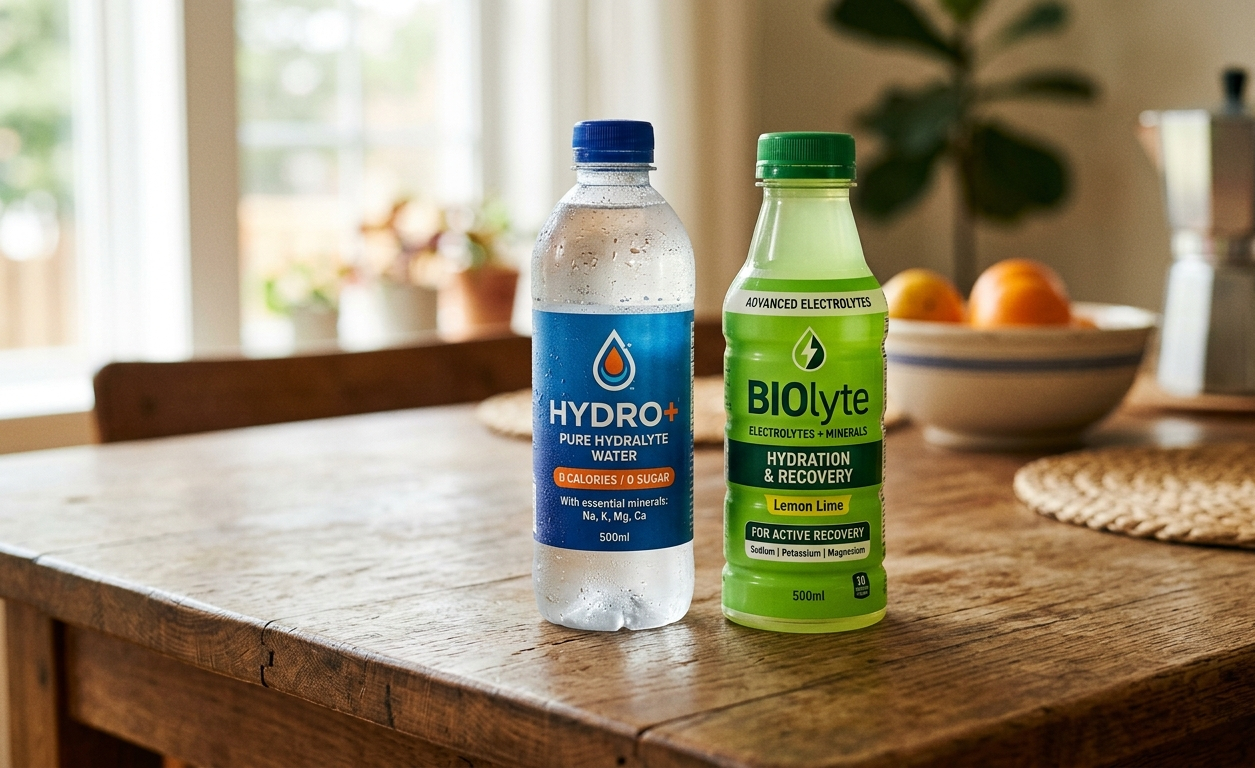
Hydration is more than drinking water. It is the balance of fluid and minerals that helps your muscles move, nerves communicate, body temperature stay steady, and mind remain clear. When heat, sweat, stress, or poor food choices disturb that balance, you may feel tired, foggy, cramped, or simply unwell even when you are drinking plenty daily enough throughout the day.

read more...
Stretcher

The energy gap: why you feel tired even after sleeping

You can sleep through the night and still wake up tired. That tiredness may be your body’s way of asking for better hydration, deeper rest, steadier routines, more movement, or stronger nutritional support. This article explains the energy gap and how small daily habits can help you feel more refreshed, focused, and ready for the day.

read more...
Morning Run

Your morning sets your metabolism: how to start the day well

Your morning does more than begin your day. It sends signals to your body about energy, focus, hydration, movement, and rhythm. A few simple choices after waking can help you feel more alert, steady, and prepared. This guide explores practical morning habits that support metabolism, mental clarity, and everyday wellness without making the routine complicated.

read more...
Coconut oil

Coconut Oil: Tropical and Traditional in African Cuisine

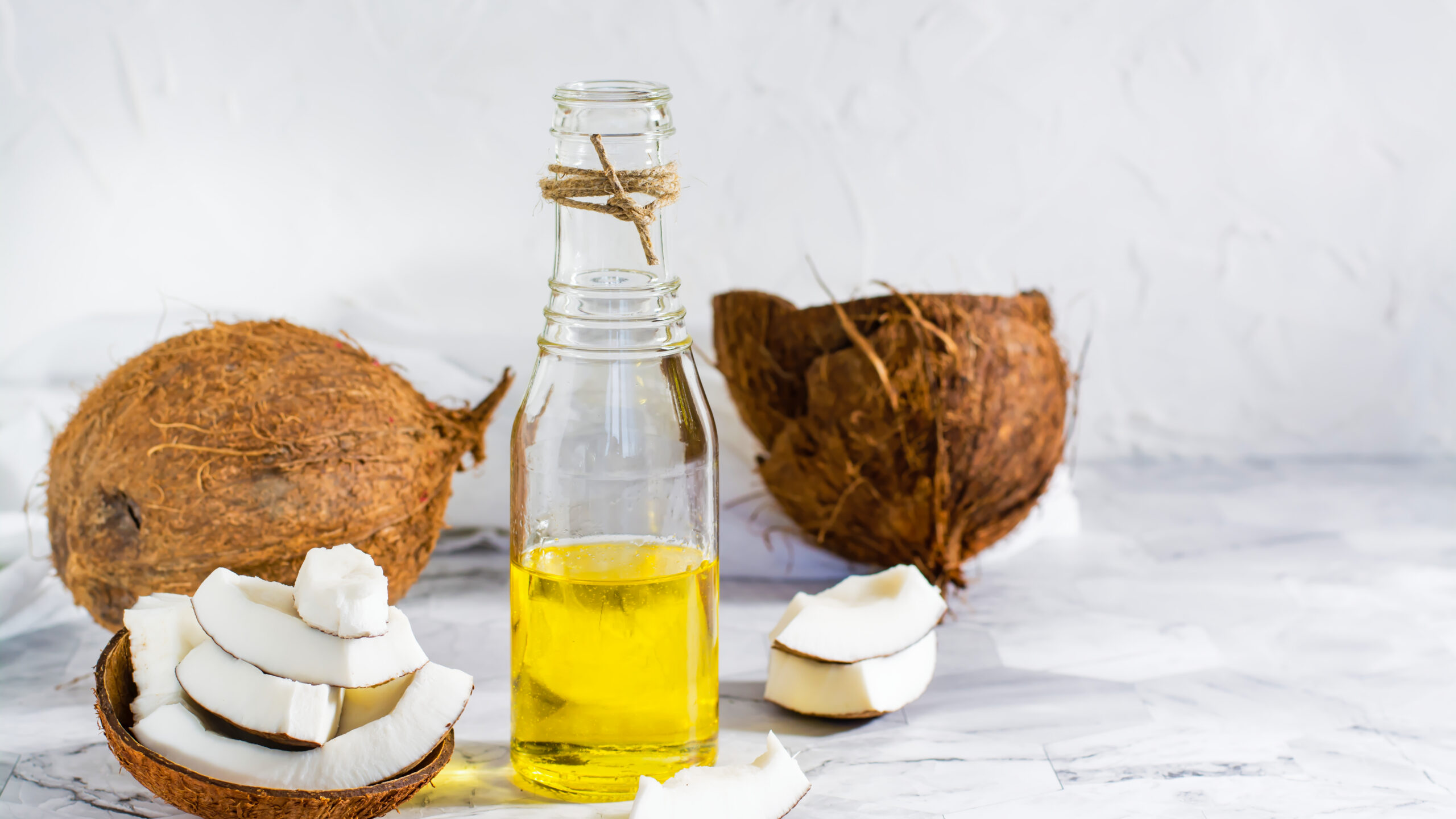
In East and West African coastal communities (Kenya, Tanzania, Ghana, Nigeria, the Seychelles) coconut oil is not new. It is ancient. Pressed from the white flesh of mature coconuts, this oil plays a vital role in stews, rice dishes, and porridges like maharagwe ya nazi (Kenyan coconut bean stew) or ekpang nkukwo (Nigerian cocoyam dish). Coconut trees grow along tropical belts and their oil represents food, medicine and economy.

read more...
Groundnut oil

Groundnut Oil: The people’s choice in African kitchens

The oil pressed from peanuts, groundnut or peanut oil, is a staple in many West African kitchens, prized for its mild nutty flavor, high heat cooking stability and heart friendly fat profile. This article explores its cultural roots, nutritional makeup, health benefits and risks, and how to use it wisely for a healthier life while staying true to tradition.

read more...
Frequently Asked Question

Supplements that boost productivity: Fuel your focus, energy, and brainpower

Mental fatigue can slow down even the best routines. Certain supplements may help support focus, energy, memory, and stress resilience when paired with healthy habits. From B vitamins and omega-3s to magnesium and rhodiola, this guide explores science-backed options that can help you stay sharp, productive, and mentally balanced throughout long workdays, study sessions, and demanding schedules.

read more...
Omega 3

Kids and omegas: Supporting growth and brain health

Omega-3 fatty acids play an essential role in children’s brain development, vision, growth, and immune health from pregnancy through adolescence. This article explores the benefits of DHA and EPA, highlights child-friendly omega-rich foods commonly found in African diets, and shares practical nutrition tips for parents and caregivers looking to support healthy development naturally through everyday family meals.

read more...