Vitamin K1 vs. K2: Why the Difference Matters for Your Health

admin |

June 12, 2025 |

Vitamin K is essential for blood clotting and bone health, but not all forms are created equal. The two primary types, Vitamin K1 and Vitamin K2, play distinct roles in the body. Understanding their differences can help you make informed dietary and supplement choices to support your overall health.

Vitamin K1: The Clotting Specialist

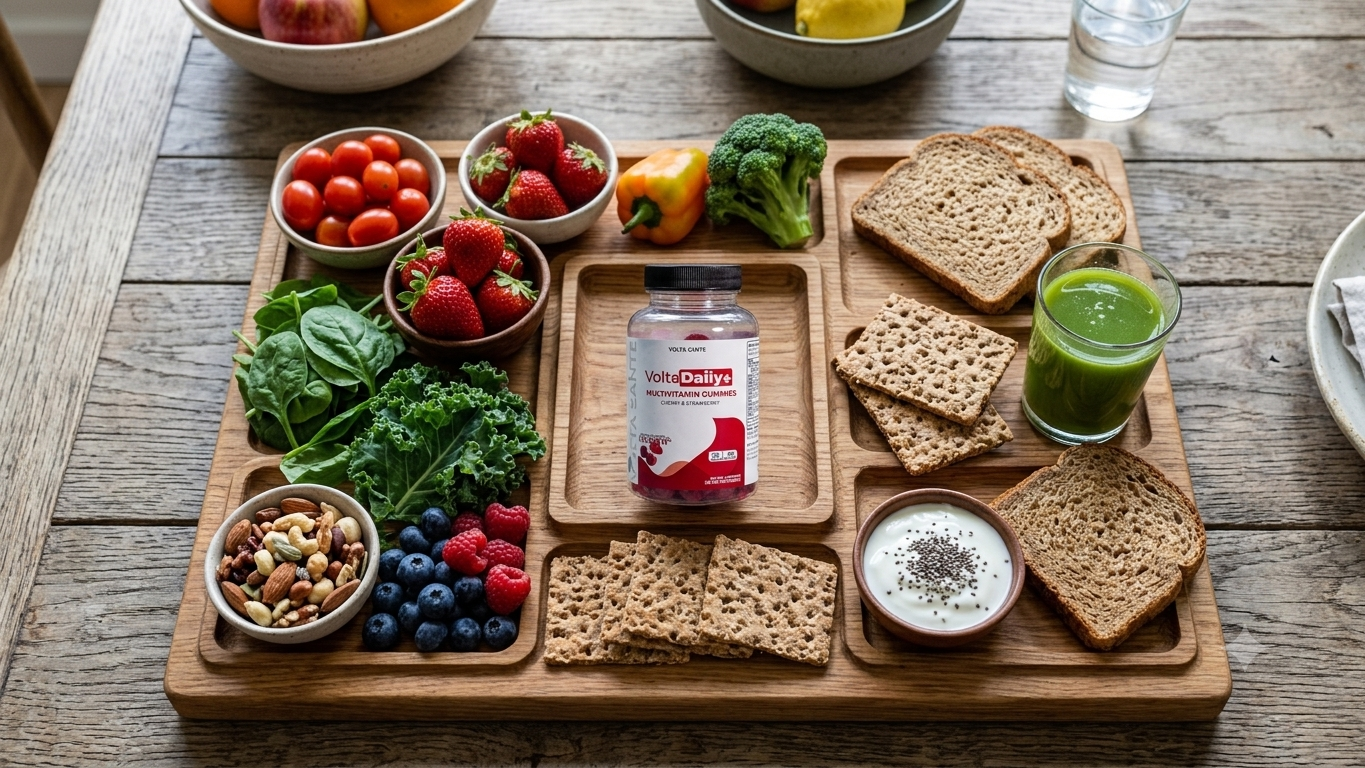
Vitamin K1, also known as phylloquinone is predominantly found in leafy green vegetables like spinach, kale, and broccoli. Its main function is to activate proteins involved in blood coagulation, which prevents excessive bleeding. However, it has a short half-life and is quickly cleared from the bloodstream, limiting its availability to other tissues.

Vitamin K2: The Bone and Heart Guardian

Vitamin K2, or menaquinone, exists in several subtypes, most notably MK-4 and MK-7. Unlike K1, K2 is found in fermented foods (like natto and sauerkraut) and animal products (such as egg yolks and cheese). It plays a key role in calcium metabolism, directing calcium to your bones and teeth, and preventing it from building up in arteries and soft tissues.

One subtype, MK-7, has a long half-life—up to 72 hours—allowing for more consistent absorption and use throughout the body, particularly in the bones and cardiovascular system.

Comparing Vitamin K1 and K2

FeatureVitamin K1Vitamin K2 (MK-4, MK-7)
Primary FunctionBlood clottingBone and cardiovascular health
SourcesLeafy greensFermented foods, animal products
Half-lifeShort (hours)Long (up to 72 hours for MK-7)
Tissue FocusLiver-focusedReaches bones and arteries
Calcium RegulationLimitedHighly effective

Dietary Sources of Vitamin K2

You can increase your Vitamin K2 intake with these foods:

  • Natto – A Japanese fermented soybean dish, extremely high in MK-7.
  • Hard cheeses – Such as Gouda and Edam.
  • Egg yolks and liver – Especially rich in MK-4.
  • Sauerkraut – Offers both K2 and gut-friendly probiotics.
  • Chicken – A moderate source of MK-4.

Should You Supplement Vitamin K2?

For those who don’t consume many fermented foods or animal products, a K2 supplement, especially MK-7, can be a valuable addition. It’s longer-lasting and better absorbed than K1. However, always consult your healthcare provider, especially if you're taking blood thinners, as Vitamin K can interfere with medication.

The Bottom Line

While both Vitamin K1 and K2 are essential, they serve different purposes. K1 is the clotting specialist, while K2 act like your body’s calcium concierge, directing it to the right places and keeping your arteries clear. By incorporating more K2-rich foods or supplements, you support your bones, teeth, and heart more effectively.


RECENT POSTS

Electrolytes

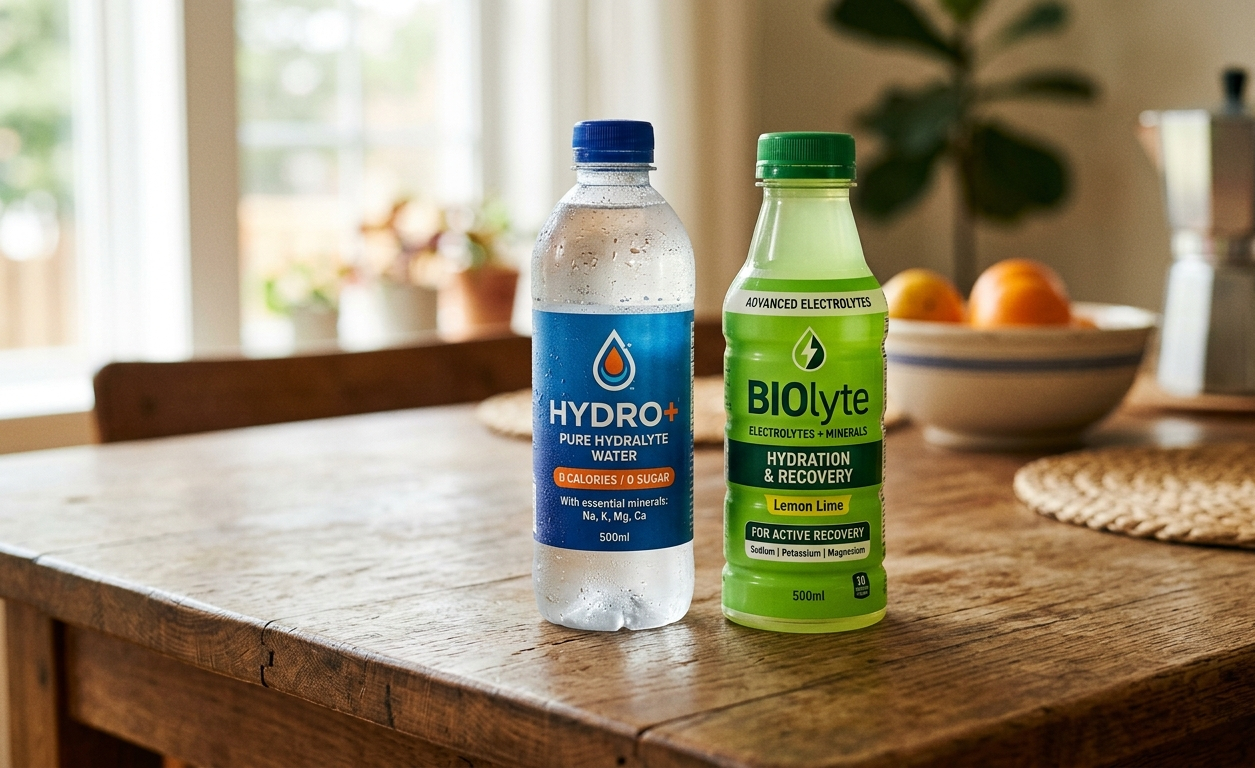
Hydration is not just water: the mineral side of feeling well

Hydration is more than drinking water. It is the balance of fluid and minerals that helps your muscles move, nerves communicate, body temperature stay steady, and mind remain clear. When heat, sweat, stress, or poor food choices disturb that balance, you may feel tired, foggy, cramped, or simply unwell even when you are drinking plenty daily enough throughout the day.

read more...
Stretcher

The energy gap: why you feel tired even after sleeping

You can sleep through the night and still wake up tired. That tiredness may be your body’s way of asking for better hydration, deeper rest, steadier routines, more movement, or stronger nutritional support. This article explains the energy gap and how small daily habits can help you feel more refreshed, focused, and ready for the day.

read more...
Morning Run

Your morning sets your metabolism: how to start the day well

Your morning does more than begin your day. It sends signals to your body about energy, focus, hydration, movement, and rhythm. A few simple choices after waking can help you feel more alert, steady, and prepared. This guide explores practical morning habits that support metabolism, mental clarity, and everyday wellness without making the routine complicated.

read more...
Coconut oil

Coconut Oil: Tropical and Traditional in African Cuisine

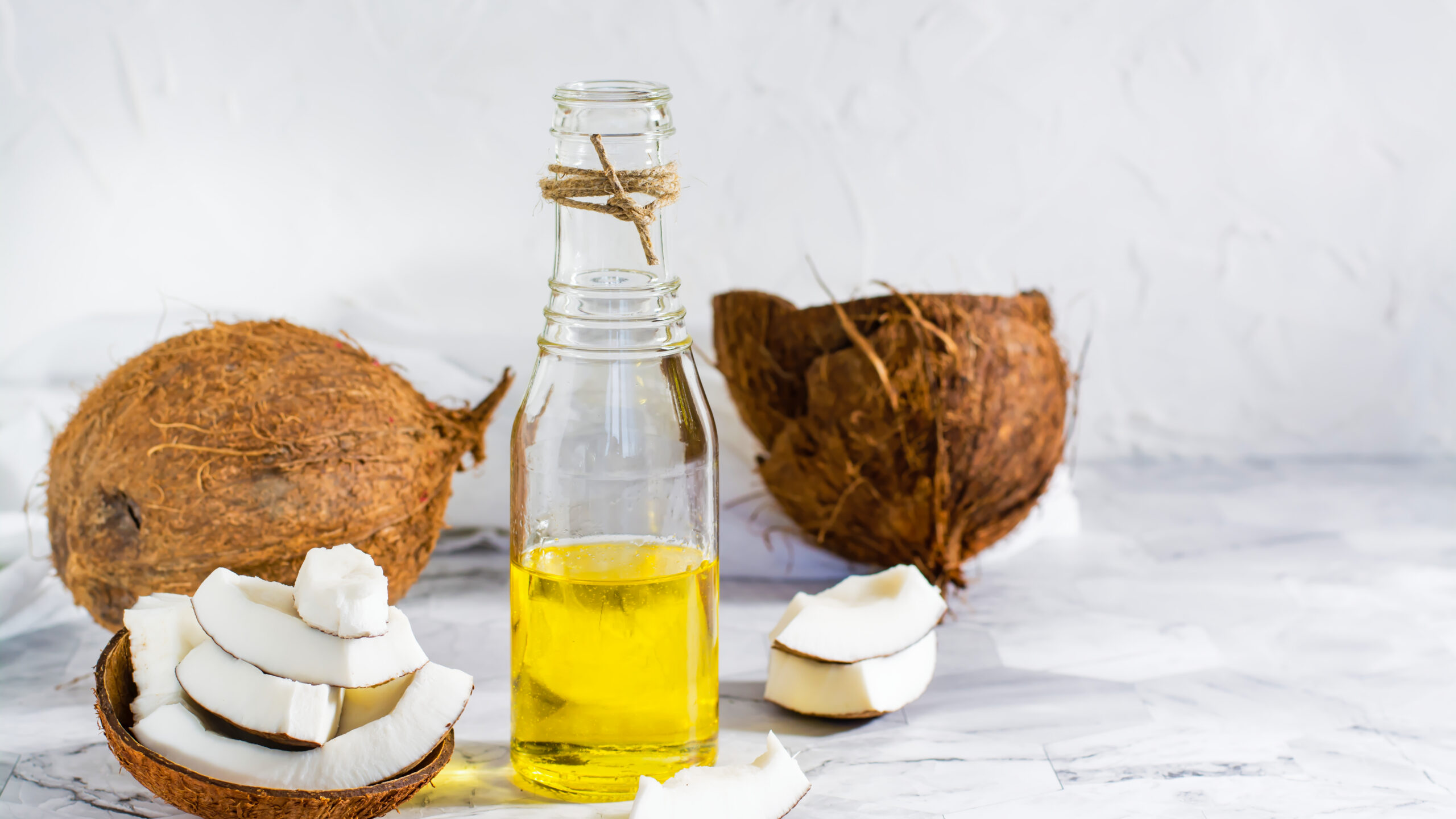
In East and West African coastal communities (Kenya, Tanzania, Ghana, Nigeria, the Seychelles) coconut oil is not new. It is ancient. Pressed from the white flesh of mature coconuts, this oil plays a vital role in stews, rice dishes, and porridges like maharagwe ya nazi (Kenyan coconut bean stew) or ekpang nkukwo (Nigerian cocoyam dish). Coconut trees grow along tropical belts and their oil represents food, medicine and economy.

read more...
Groundnut oil

Groundnut Oil: The people’s choice in African kitchens

The oil pressed from peanuts, groundnut or peanut oil, is a staple in many West African kitchens, prized for its mild nutty flavor, high heat cooking stability and heart friendly fat profile. This article explores its cultural roots, nutritional makeup, health benefits and risks, and how to use it wisely for a healthier life while staying true to tradition.

read more...
Frequently Asked Question

Supplements that boost productivity: Fuel your focus, energy, and brainpower

Mental fatigue can slow down even the best routines. Certain supplements may help support focus, energy, memory, and stress resilience when paired with healthy habits. From B vitamins and omega-3s to magnesium and rhodiola, this guide explores science-backed options that can help you stay sharp, productive, and mentally balanced throughout long workdays, study sessions, and demanding schedules.

read more...
Omega 3

Kids and omegas: Supporting growth and brain health

Omega-3 fatty acids play an essential role in children’s brain development, vision, growth, and immune health from pregnancy through adolescence. This article explores the benefits of DHA and EPA, highlights child-friendly omega-rich foods commonly found in African diets, and shares practical nutrition tips for parents and caregivers looking to support healthy development naturally through everyday family meals.

read more...