Where it begins
Magnesium originates deep within the Earth’s crust, primarily from silicate minerals such as hornblende, olivine, and biotite. These rocky ancestors weather over time, releasing magnesium into soils. Other significant sources include carbonate minerals like dolomite and magnesite, enriching fertile ground in certain regions. Soil types—particularly clay and silty soils—tend to retain more of this vital mineral than sandy soils.
How it enters your plate
In West Africa, magnesium intake is generally healthy, thanks to staple grains like sorghum, maize, and millet—all naturally rich in this mineral. In fact, dietary supply in many West African nations far exceeds the WHO’s Estimated Average Requirement of 217 mg per day for adult males, sometimes reaching upwards of 1,800 mg/day.
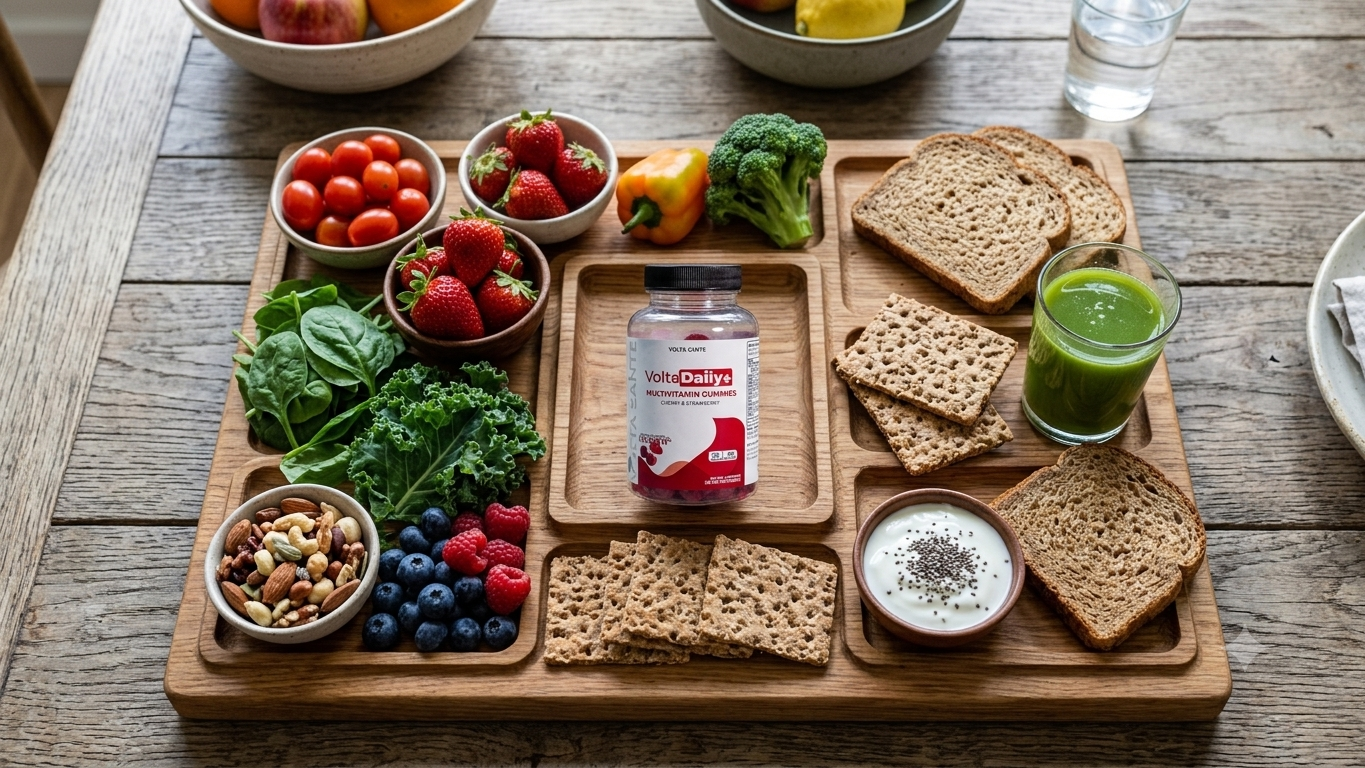
Other magnesium-rich foods include:
- Leafy greens like spinach and chard
- Nuts and seeds such as almonds, pumpkin seeds
- Legumes and whole grains like brown rice
- Fruits like bananas, avocados, and dried apricots
What it does in your body
Magnesium is a workhorse. It powers more than 300 enzyme reactions in your body. It supports:
- Muscle and nerve function, ensuring smooth contractions and signals
- Energy production, as essential to ATP and mitochondrial activity
- Bone strength through contribution to structure and density
- Heart health, by helping regulate blood pressure and maintaining a steady heart rhythm
- DNA and RNA synthesis, thanks to stabilization and enzymatic function
Are you getting enough?
Thanks to nutrient-rich diets in West Africa, magnesium deficiency is uncommon in the general population.
However, when deficiency does occur—often due to poor diet, illness, or certain medications—it can show up as:
- Muscle cramps, twitching, fatigue
- Irregular heartbeat, coordination issues
- In severe cases: tremors, seizures, low potassium
Takeaway tips: Growing magnesium-rich habits
- Eat the whole grain – keep the bran and germ intact when enjoying sorghum, millet, or maize.
- Leafy greens power – add spinach, waterleaf, or moringa to stews and sauces regularly.
- Snack smart – opt for roasted pumpkin seeds or cashews instead of processed snacks.
- Balance your farming – if part of an agricultural community, rotate crops and consider magnesium-rich fertilizers to maintain soil health.