Omega 5: What it is, where it comes from, and what we know

admin |

November 18, 2025 |

What is “Omega 5”?

Two molecules get called Omega 5. In nutrition and supplements, people almost always mean punicic acid, a conjugated linolenic acid concentrated in pomegranate seed oil. Less commonly, Omega 5 can refer to myristoleic acid, a different fatty acid with narrower relevance to human diets. This article focuses on punicic acid.

Where it is found

Pomegranate seed oil is unusually rich in punicic acid. Reviews report that punicic acid is the dominant fatty acid in these oils, often exceeding 70 percent of total fat. Reported seed oil yield from pomegranate varies by cultivar, but the oil consistently shows high punicic acid content along with minor linoleic and oleic acids.

What the science says

Mechanisms and models. Lab and animal studies suggest punicic acid can influence inflammation, lipid metabolism, and oxidative stress markers. Examples include improved liver fat handling in mice and signals of neuroprotection in preclinical models. These findings are promising but not proof for clinical benefit.

Human studies. Evidence in people is limited and mixed. A small double blind randomized trial in hyperlipidemic adults tested pomegranate seed oil and reported changes in lipid measures versus placebo. Other exploratory human work, including trials in specific conditions, exists but sample sizes are small and duration is short, so we should be cautious drawing broad conclusions. Larger, longer trials are needed.

Recent overviews. Contemporary reviews describe punicic acid as a potential nutraceutical with antioxidant and anti-inflammatory properties, while stressing the gap between mechanistic promise and robust clinical outcomes. In short, interesting biology, early human data, not a proven therapy.

How to think about Omega 5 in a healthy diet

  • Treat Omega 5 as a specialty component, not a replacement for well supported fats like olive oil or marine Omega 3s. Evidence for Omega 3 benefits in humans is far stronger. Omega 5 research is earlier stage.
  • If you use pomegranate seed oil, prefer products that document fatty acid profiles and are stored in dark, cool conditions. Polyunsaturated oils are sensitive to heat, light, and air. Review articles note stability concerns and the role of antioxidants in the oil.
  • Dosage guidance is not standardized. Human trials have used specific capsules of pomegranate seed oil for weeks to months. Discuss any regular supplementation with a clinician, especially if you have lipid disorders, diabetes, or take medications that interact with fats.

Practical ways to use it

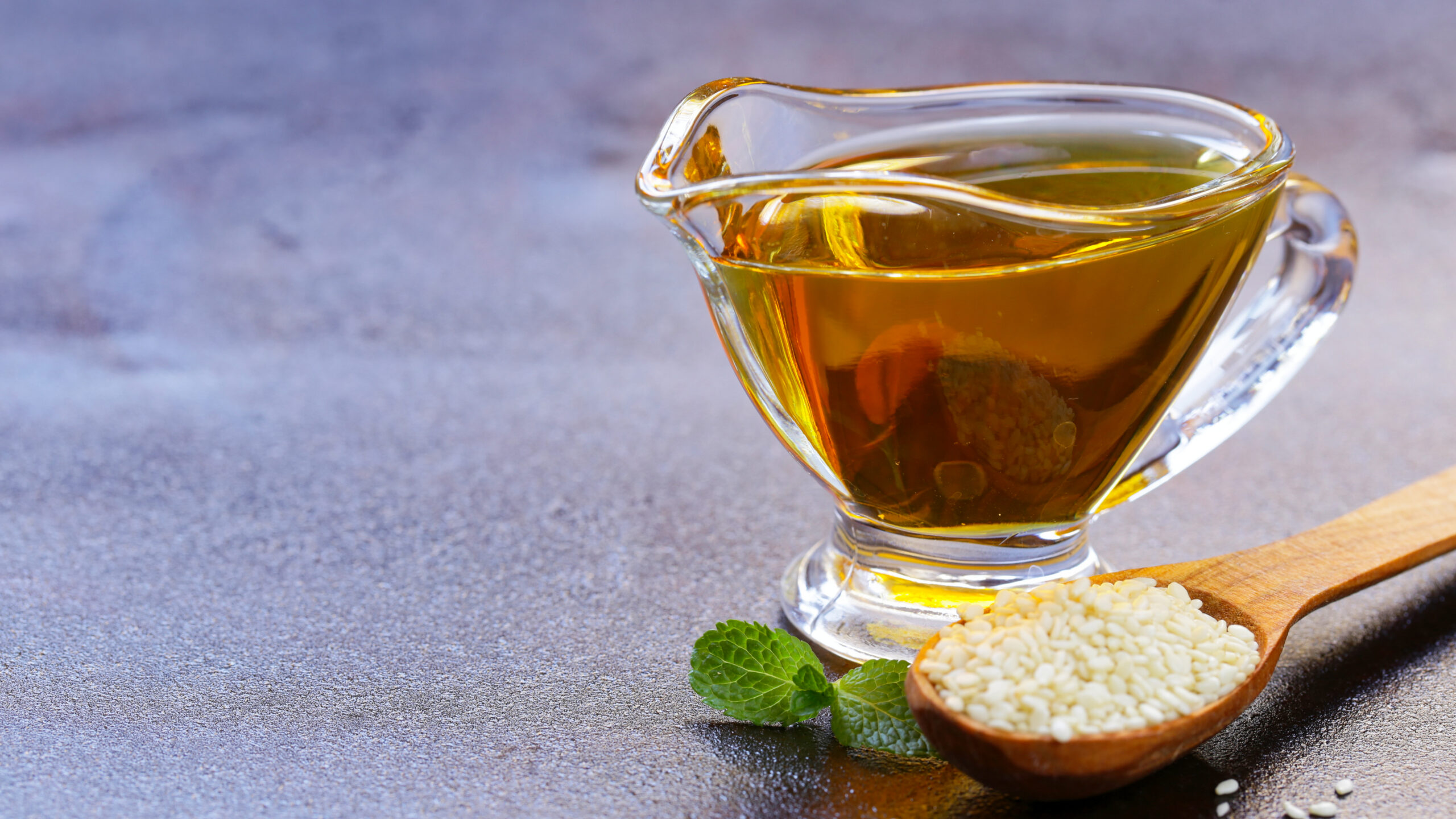
  • Culinary use. Because flavor can be assertive, use small amounts as a finishing oil in salads or yogurt-based dips rather than as your main frying fat.
  • Supplement use. If you choose capsules, check for third party testing and transparent punicic acid content. Watch for digestive upset, the most common minor complaint in PUFA rich oils in small trials. Evidence that it meaningfully lowers cardiovascular risk is not yet established.

Bottom line

Omega 5, typically punicic acid from pomegranate seed oil, is a compelling molecule with early signals for anti-inflammatory and metabolic support. The exciting part is the biology. The honest part is that clinical proof is still thin. If you enjoy it, use it as a small accent alongside a pattern rich in vegetables, whole grains, legumes, olive oil, and Omega 3 sources.


RECENT POSTS

Electrolytes

Hydration is not just water: the mineral side of feeling well

Hydration is more than drinking water. It is the balance of fluid and minerals that helps your muscles move, nerves communicate, body temperature stay steady, and mind remain clear. When heat, sweat, stress, or poor food choices disturb that balance, you may feel tired, foggy, cramped, or simply unwell even when you are drinking plenty daily enough throughout the day.

read more...
Stretcher

The energy gap: why you feel tired even after sleeping

You can sleep through the night and still wake up tired. That tiredness may be your body’s way of asking for better hydration, deeper rest, steadier routines, more movement, or stronger nutritional support. This article explains the energy gap and how small daily habits can help you feel more refreshed, focused, and ready for the day.

read more...
Morning Run

Your morning sets your metabolism: how to start the day well

Your morning does more than begin your day. It sends signals to your body about energy, focus, hydration, movement, and rhythm. A few simple choices after waking can help you feel more alert, steady, and prepared. This guide explores practical morning habits that support metabolism, mental clarity, and everyday wellness without making the routine complicated.

read more...
Coconut oil

Coconut Oil: Tropical and Traditional in African Cuisine

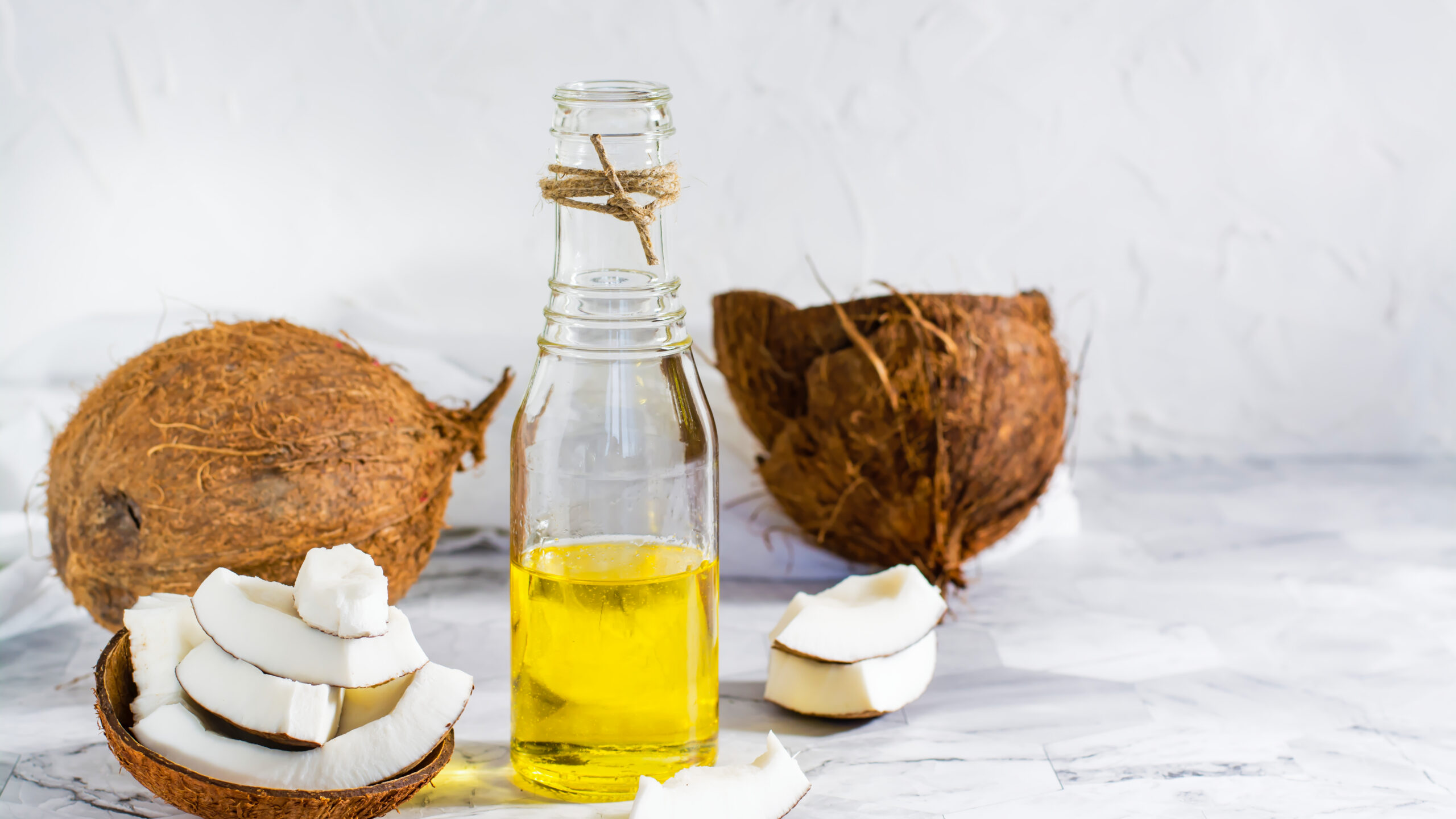
In East and West African coastal communities (Kenya, Tanzania, Ghana, Nigeria, the Seychelles) coconut oil is not new. It is ancient. Pressed from the white flesh of mature coconuts, this oil plays a vital role in stews, rice dishes, and porridges like maharagwe ya nazi (Kenyan coconut bean stew) or ekpang nkukwo (Nigerian cocoyam dish). Coconut trees grow along tropical belts and their oil represents food, medicine and economy.

read more...
Groundnut oil

Groundnut Oil: The people’s choice in African kitchens

The oil pressed from peanuts, groundnut or peanut oil, is a staple in many West African kitchens, prized for its mild nutty flavor, high heat cooking stability and heart friendly fat profile. This article explores its cultural roots, nutritional makeup, health benefits and risks, and how to use it wisely for a healthier life while staying true to tradition.

read more...
Frequently Asked Question

Supplements that boost productivity: Fuel your focus, energy, and brainpower

Mental fatigue can slow down even the best routines. Certain supplements may help support focus, energy, memory, and stress resilience when paired with healthy habits. From B vitamins and omega-3s to magnesium and rhodiola, this guide explores science-backed options that can help you stay sharp, productive, and mentally balanced throughout long workdays, study sessions, and demanding schedules.

read more...
Omega 3

Kids and omegas: Supporting growth and brain health

Omega-3 fatty acids play an essential role in children’s brain development, vision, growth, and immune health from pregnancy through adolescence. This article explores the benefits of DHA and EPA, highlights child-friendly omega-rich foods commonly found in African diets, and shares practical nutrition tips for parents and caregivers looking to support healthy development naturally through everyday family meals.

read more...