Phosphorus: the mineral your bones and body crave

admin |

September 19, 2025 |

Phosphorus is a mineral your body needs for strong bones, healthy teeth, and efficient cell function. It works hand in hand with calcium to keep your skeletal system strong, while also playing a role in producing energy, repairing tissues, and balancing your body’s pH levels.

About 85 percent of your phosphorus is stored in your bones and teeth, with the rest found in your muscles, blood, and other tissues. Without enough phosphorus, you may feel tired, weak, and more prone to bone problems.

The many ways phosphorus powers your health

  • Builds strong bones and teeth
    Works with calcium and vitamin D to strengthen your skeleton.
  • Energizes your cells
    A vital part of adenosine triphosphate (ATP), the molecule that fuels your body.
  • Supports growth and repair
    Needed for creating DNA, RNA, and healthy cell membranes.
  • Keeps your body balanced
    Helps regulate acid-base balance for overall stability.

West African foods brimming with phosphorus

Traditional West African diets feature a variety of phosphorus-rich foods:

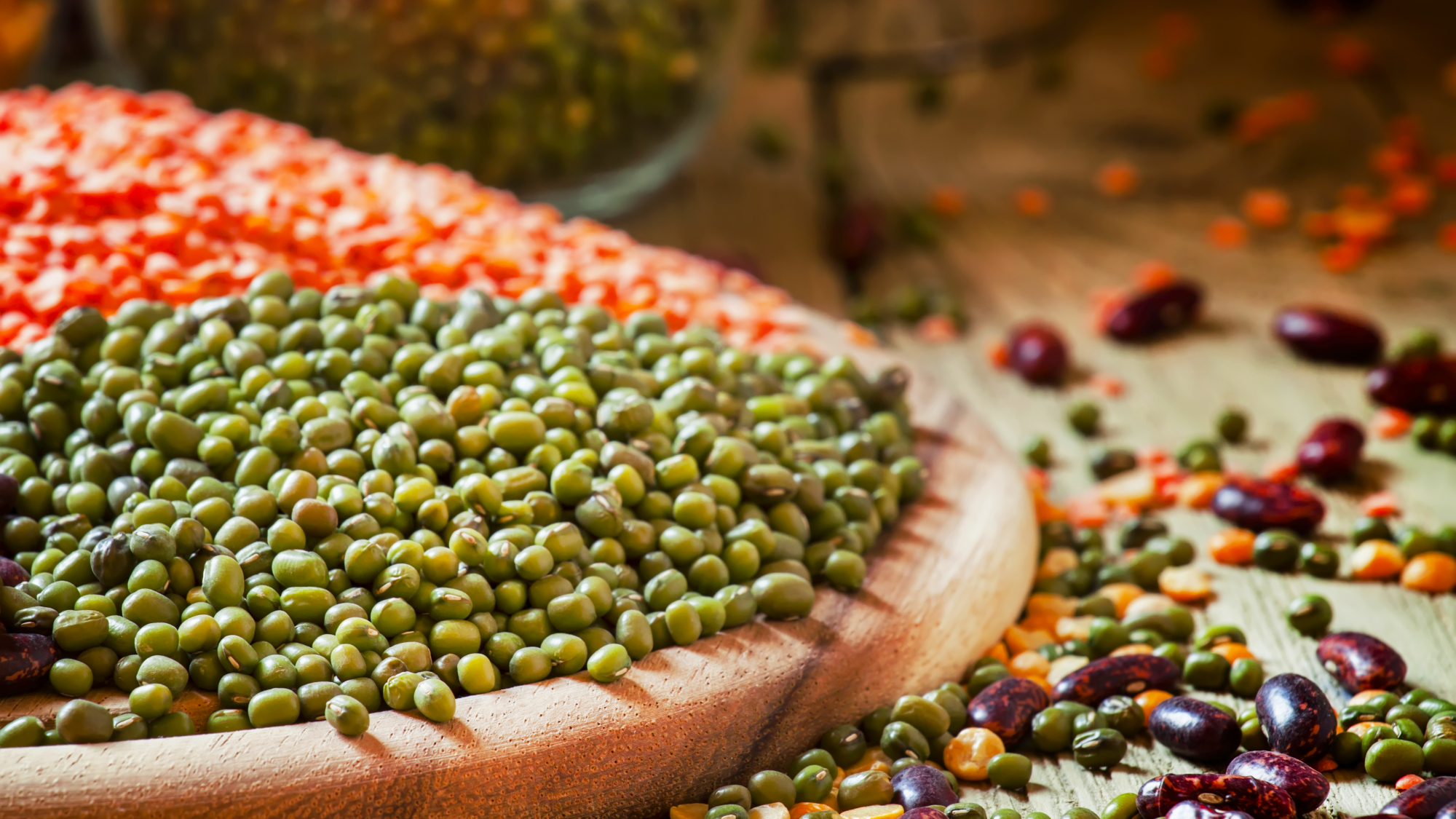
  • Beans and lentils such as black-eyed peas, cowpeas, and groundnuts (peanuts)
  • Fish like tilapia, catfish, and mackerel
  • Meats, including goat, chicken, and beef
  • Seeds such as sesame seeds and pumpkin seeds
  • Whole grains like millet and sorghum

These staples are often paired together in stews, porridges, and grilled dishes, making phosphorus a natural part of daily meals.

East African staples loaded with phosphorus

In East African cuisines, phosphorus-rich foods are also abundant:

  • Legumes like kidney beans, pigeon peas, and chickpeas
  • Fish such as Nile perch and sardines from lakes and coastal waters
  • Dairy, including fresh milk, fermented milk (mala), and cheese in pastoralist communities
  • Seeds and nuts such as sunflower seeds, groundnuts, and cashews
  • Whole grains like teff, millet, and sorghum

These ingredients form the foundation of many beloved East African dishes, from hearty stews to injera and porridge.

Simple ways to get more phosphorus naturally

  1. Mix plant and animal sources
    Combine legumes, seeds, grains, fish, and dairy for a nutrient-rich balance.
  2. Balance with calcium
    Make sure you get enough calcium from leafy greens, dairy, and small fish eaten with bones.
  3. Choose whole over processed
    Stick with fresh, whole foods instead of heavily processed products with phosphate additives.

Final thoughts

Phosphorus is essential for strong bones, steady energy, and overall vitality. Both West and East African cuisines offer a wealth of phosphorus-rich foods that are as nourishing as they are flavorful.

By embracing these traditional staples, you can meet your body’s needs while celebrating cultural heritage.


RECENT POSTS

Electrolytes

Hydration is not just water: the mineral side of feeling well

Hydration is more than drinking water. It is the balance of fluid and minerals that helps your muscles move, nerves communicate, body temperature stay steady, and mind remain clear. When heat, sweat, stress, or poor food choices disturb that balance, you may feel tired, foggy, cramped, or simply unwell even when you are drinking plenty daily enough throughout the day.

read more...
Stretcher

The energy gap: why you feel tired even after sleeping

You can sleep through the night and still wake up tired. That tiredness may be your body’s way of asking for better hydration, deeper rest, steadier routines, more movement, or stronger nutritional support. This article explains the energy gap and how small daily habits can help you feel more refreshed, focused, and ready for the day.

read more...
Morning Run

Your morning sets your metabolism: how to start the day well

Your morning does more than begin your day. It sends signals to your body about energy, focus, hydration, movement, and rhythm. A few simple choices after waking can help you feel more alert, steady, and prepared. This guide explores practical morning habits that support metabolism, mental clarity, and everyday wellness without making the routine complicated.

read more...
Coconut oil

Coconut Oil: Tropical and Traditional in African Cuisine

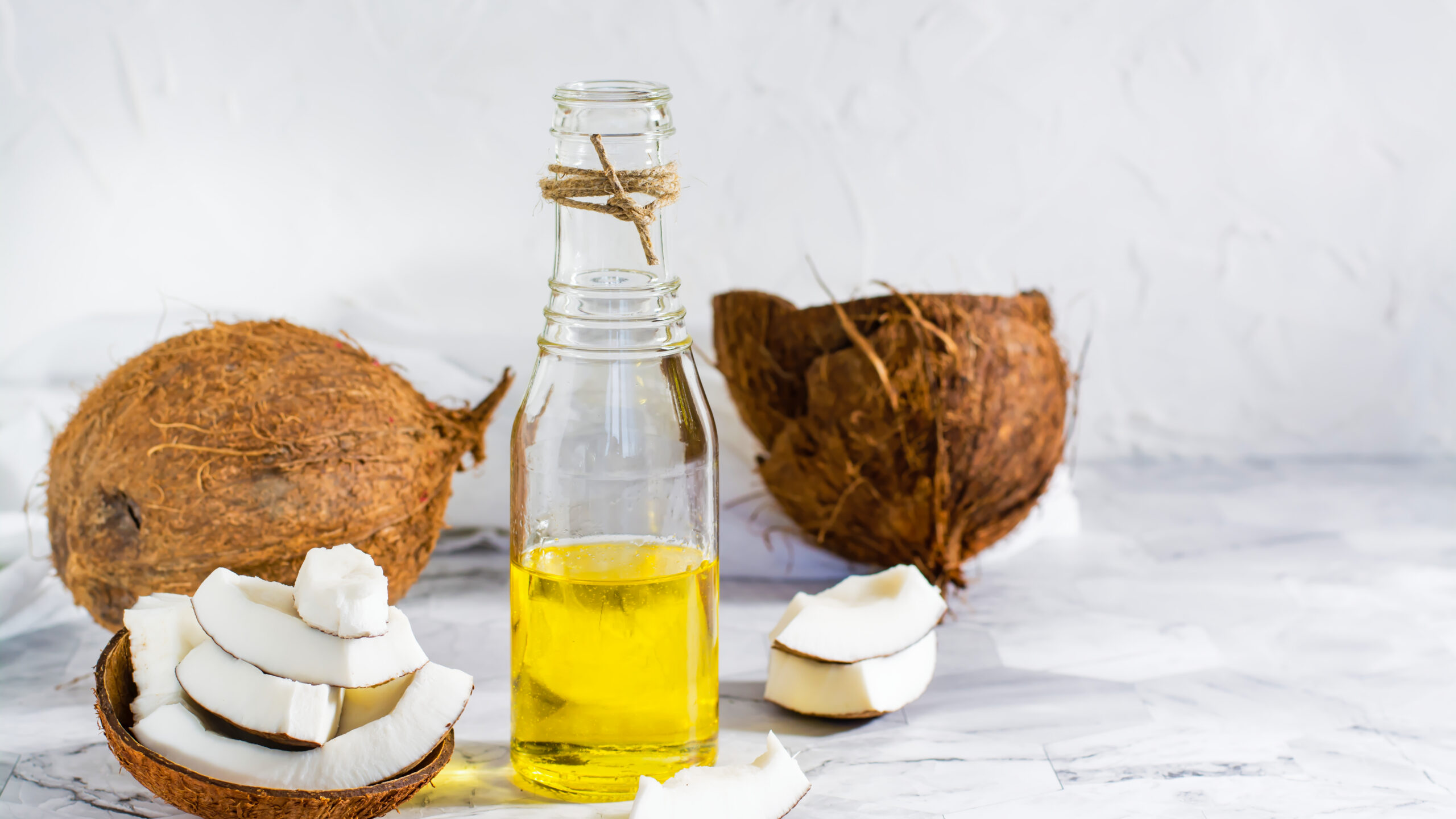
In East and West African coastal communities (Kenya, Tanzania, Ghana, Nigeria, the Seychelles) coconut oil is not new. It is ancient. Pressed from the white flesh of mature coconuts, this oil plays a vital role in stews, rice dishes, and porridges like maharagwe ya nazi (Kenyan coconut bean stew) or ekpang nkukwo (Nigerian cocoyam dish). Coconut trees grow along tropical belts and their oil represents food, medicine and economy.

read more...
Groundnut oil

Groundnut Oil: The people’s choice in African kitchens

The oil pressed from peanuts, groundnut or peanut oil, is a staple in many West African kitchens, prized for its mild nutty flavor, high heat cooking stability and heart friendly fat profile. This article explores its cultural roots, nutritional makeup, health benefits and risks, and how to use it wisely for a healthier life while staying true to tradition.

read more...
Frequently Asked Question

Supplements that boost productivity: Fuel your focus, energy, and brainpower

Mental fatigue can slow down even the best routines. Certain supplements may help support focus, energy, memory, and stress resilience when paired with healthy habits. From B vitamins and omega-3s to magnesium and rhodiola, this guide explores science-backed options that can help you stay sharp, productive, and mentally balanced throughout long workdays, study sessions, and demanding schedules.

read more...
Omega 3

Kids and omegas: Supporting growth and brain health

Omega-3 fatty acids play an essential role in children’s brain development, vision, growth, and immune health from pregnancy through adolescence. This article explores the benefits of DHA and EPA, highlights child-friendly omega-rich foods commonly found in African diets, and shares practical nutrition tips for parents and caregivers looking to support healthy development naturally through everyday family meals.

read more...