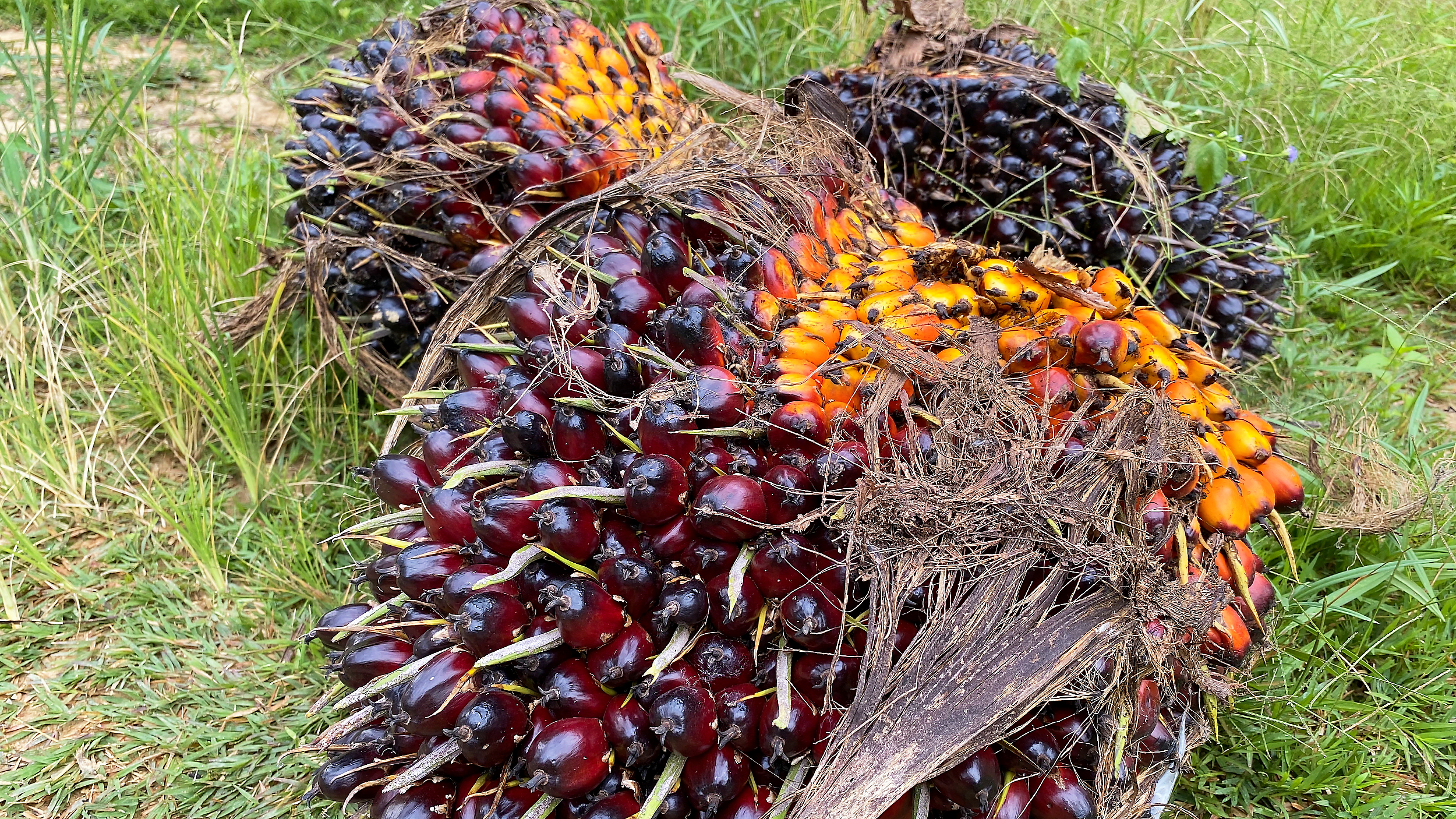
Palm oil, extracted from the reddish pulp of the oil palm fruit (Elaeis guineensis), is a staple in many West African kitchens. Known for its rich color and distinctive flavor, it is a key ingredient in dishes like egusi soup, kontomire stew, and palm nut soup. Beyond taste, palm oil provides important nutrients, but its health impact depends on quality and moderation.
Nutrient profile of palm oil
Palm oil is unique among cooking oils because it is naturally semi-solid at room temperature. A tablespoon (14 g) of unrefined red palm oil contains:
- Calories: 120 kcal
- Total fat: 14 g
- Saturated fat: 7 g
- Monounsaturated fat: 5 g
- Polyunsaturated fat: 1.5 g
- Vitamin E (tocopherols and tocotrienols) – antioxidants that support cell protection
- Beta-carotene – a plant form of vitamin A, giving palm oil its red-orange color
Unrefined red palm oil is especially rich in carotenoids, which may help support eye health and immune function. However, refining removes much of this nutrient content.
Traditional and modern uses
In West Africa, palm oil is more than a cooking medium; it is part of culinary identity. It is used to:
- Enrich stews like banga soup, palm nut soup, and ogbono
- Fry plantains, yam, or akara (bean cakes)
- Add color and depth to porridges and rice dishes
Modern uses extend to margarine production, snack foods, and even non-food products like soaps and cosmetics. However, these often use refined palm oil, which lacks the vibrant color and nutrient density of traditional cold-pressed versions.
Health considerations
Palm oil’s health profile is a balance of benefits and cautions:
Potential benefits
- Rich in antioxidants – unrefined palm oil is high in vitamin E and carotenoids
- Source of healthy fats – provides monounsaturated and polyunsaturated fats that can support heart health when used in moderation
- Stable for cooking – its high saturated fat content makes it more resistant to oxidation at high heat compared to some vegetable oils
Points of caution
- High in saturated fat – excessive intake is associated with increased LDL cholesterol in some studies
- Quality matters – overly processed or repeatedly heated palm oil can generate harmful compounds
- Calorie-dense – like all oils, it is high in calories, so portion control is important
Choosing and using palm oil wisely
For maximum health benefit:
- Select unrefined red palm oil – choose cold-pressed, sustainably sourced options to retain nutrients and support local producers.
- Store properly – keep in a cool, dark place to prevent oxidation.
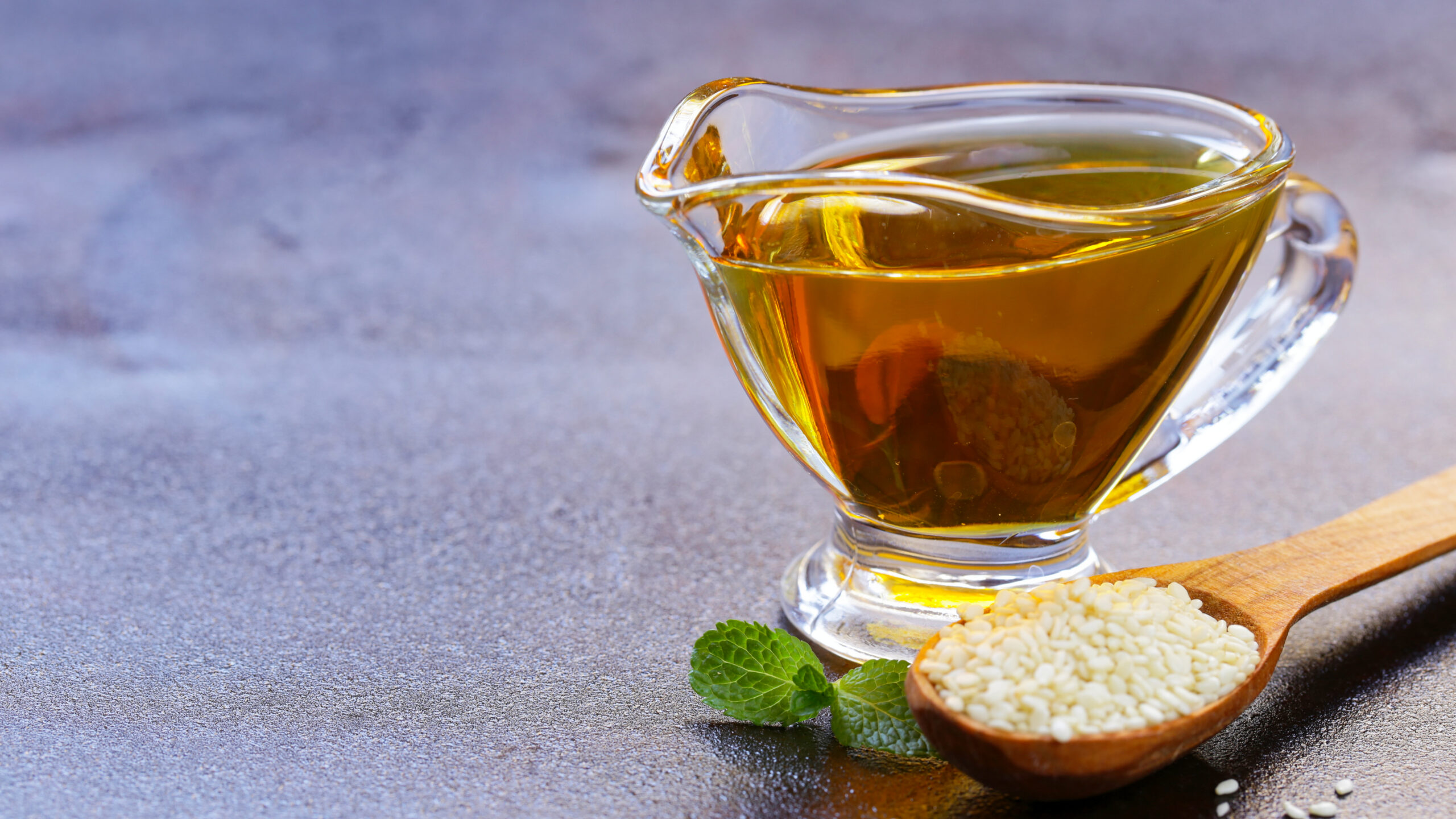
- Use moderate amounts – balance palm oil with other healthy fats like groundnut or sesame oil.
- Avoid reusing oil – reheating multiple times can produce harmful by-products.
Sustainability and ethical sourcing
Palm oil production can raise environmental concerns, especially in Southeast Asia where large-scale plantations have led to deforestation. In West Africa, where the oil palm is native, traditional smallholder production can be more sustainable. Supporting local producers and certified sustainable sources helps protect ecosystems while maintaining livelihoods.
Takeaways for healthy palm oil consumption
- Enjoy palm oil as part of a varied diet, focusing on unrefined red varieties
- Be mindful of portion sizes to manage calorie and saturated fat intake
- Support small-scale and sustainably produced palm oil
- Avoid overheating or reusing oil to preserve its nutritional value