Introduction: More than just milk
Calcium is the most abundant mineral in the human body. About 99% of it is stored in your bones and teeth, where it provides structure and strength. But calcium is far more than just a bone builder. It also supports muscle contraction, blood clotting, nerve transmission, and enzyme activity.
From the discovery of rickets to the rise of fortified foods, calcium’s story is deeply woven into the evolution of public health. And it continues to be one of the most talked-about (and misunderstood) minerals in modern nutrition.
A historical milestone in bone health
Though calcium as a mineral has been known since ancient times, its connection to human health emerged more clearly in the early 20th century, when doctors were trying to understand rickets, a disease causing soft, deformed bones in children. Eventually, they learned that calcium alone wasn’t enough. It needed vitamin D to be properly absorbed.
This led to one of the first successful public health interventions: fortifying milk with Vitamin D and calcium, a strategy that helped nearly eliminate rickets in many parts of the world.
Why calcium is critical
Calcium isn’t just for kids. It’s vital at every stage of life. It helps:
- Build and maintain strong bones and teeth
- Regulate muscle contractions, including the heartbeat
- Transmit messages through nerves
- Enable blood to clot properly
And because your body can’t produce calcium on its own, it must be absorbed through diet or supplementation.
Signs of calcium deficiency
When calcium intake is too low, especially over time, the body pulls calcium from your bones to maintain essential functions. This can lead to:
- Brittle bones or osteoporosis
- Muscle cramps and spasms
- Numbness or tingling in fingers
- Tooth decay
- Fatigue or irregular heartbeat
Postmenopausal women, people with lactose intolerance, and those on vegan diets are especially vulnerable.
Best dietary sources of calcium
Calcium is found in both animal and plant-based sources, including:
Dairy products (highly bioavailable)
- Milk
- Yogurt
- Cheese
Leafy greens & vegetables
- Kale
- Bok choy
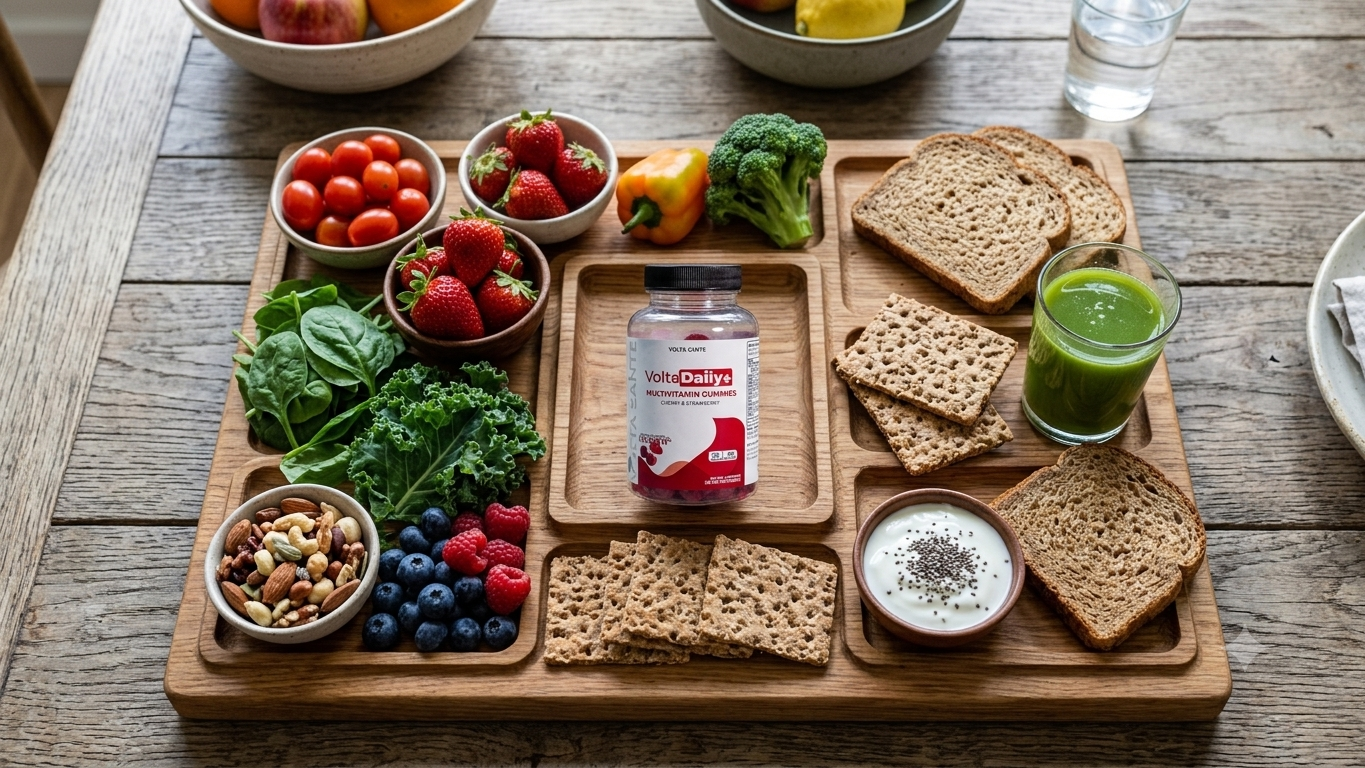
- Broccoli (but not spinach, which contains oxalates that inhibit absorption)
Small fish with bones
- Sardines
- Canned salmon
Fortified foods
- Plant-based milks
- Breakfast cereals
- Orange juice (calcium-fortified)
How much calcium do you need?
According to the National Institutes of Health (NIH), the Recommended Daily Intake (RDI) is:
- 1,000 mg/day for most adults
- 1,200 mg/day for women over 50 and men over 70
- 1,300 mg/day for teens and pregnant teens
Your body absorbs only about 30% of dietary calcium at a time, so spreading it across meals is more effective.
Supplementation: when and how
If you’re not getting enough from food, supplements can help. The two most common forms are:
- Calcium carbonate – best taken with food
- Calcium citrate – more easily absorbed, good for those with low stomach acid
⚠️ Don’t exceed 500–600 mg per dose, and avoid going over 2,000 mg per day from all sources to reduce risk of kidney stones or impaired absorption of other minerals like zinc and magnesium.
Calcium and nutrient synergy
For optimal calcium use in the body, it needs to be paired with:
- Vitamin D – enhances absorption from the gut
- Vitamin K2 – directs calcium to bones and prevents arterial buildup
- Magnesium – helps regulate calcium transport and muscle function
Explore more nutrient pairings in our guide on vitamins and minerals that work better together.
Final thoughts: calcium’s lasting legacy
Calcium’s impact on human health is undeniable. From strengthening the bones of growing children to supporting aging adults in preventing fractures, calcium has earned its place as a foundational nutrient in public health.
But like all nutrients, balance is key. Too little puts your bones at risk. Too much without the right co-nutrients can cause harm. The best strategy? A calcium-rich diet supported by smart supplementation, especially when paired with Vitamin D, K2, and magnesium.
Up Next in the Mineral Masterclass: Iron
Next, we’ll explore the fascinating story of iron—the mineral that delivers oxygen to every cell and helps keep your energy and focus sharp. Stay tuned on the Volta Santé blog for the next installment.