Vitamin E is often called the “protector” of your cells, and for good reason. As one of the body’s most powerful fat-soluble antioxidants, it plays a central role in safeguarding your cells from damage, supporting immune function, and maintaining healthy skin and eyes. Whether you're exploring supplements or simply trying to optimize your diet, understanding vitamin E is an important step in your wellness journey.
What is vitamin E?
Vitamin E is a group of eight fat-soluble compounds, with alpha-tocopherol being the most biologically active form in humans. It’s stored in the liver and fatty tissues and used as needed by the body. As a potent antioxidant, vitamin E helps neutralize free radicals, which are unstable molecules that can damage cells and contribute to aging and chronic diseases like heart disease and cancer.
Health benefits of vitamin E
1. Cell protection and anti-aging
Vitamin E’s primary role is to act as a cellular shield. It prevents oxidative damage to cell membranes and lipids, which not only helps reduce the visible signs of aging but may also lower the risk of degenerative diseases. This protective effect is especially important for skin cells, which are frequently exposed to UV light and environmental pollutants.
2. Immune system support
Vitamin E enhances the body’s immune response, especially in older adults. Research shows that it can increase the activity of white blood cells and help the body resist viral and bacterial infections. According to the NIH Office of Dietary Supplements, low levels of vitamin E have been associated with impaired immune function.
3. Skin and eye health
Vitamin E is commonly found in skincare products because of its ability to moisturize the skin, reduce inflammation, and promote wound healing. Internally, it supports eye health by protecting retinal cells from oxidative damage, making it a helpful nutrient in age-related vision concerns like macular degeneration.
4. Heart health and anti-inflammatory benefits
While the role of vitamin E in heart health is still being studied, some evidence suggests it may help reduce inflammation and prevent the oxidation of LDL cholesterol, which is a key step in the development of atherosclerosis. However, the American Heart Association currently recommends getting vitamin E from foods rather than supplements for heart protection.
How much do you need?
The Recommended Dietary Allowance (RDA) for vitamin E in adults is 15 mg (22.4 IU) per day. This amount can usually be met through diet, but individuals with fat-malabsorption disorders or on very low-fat diets may need supplements.
Best food sources of vitamin E
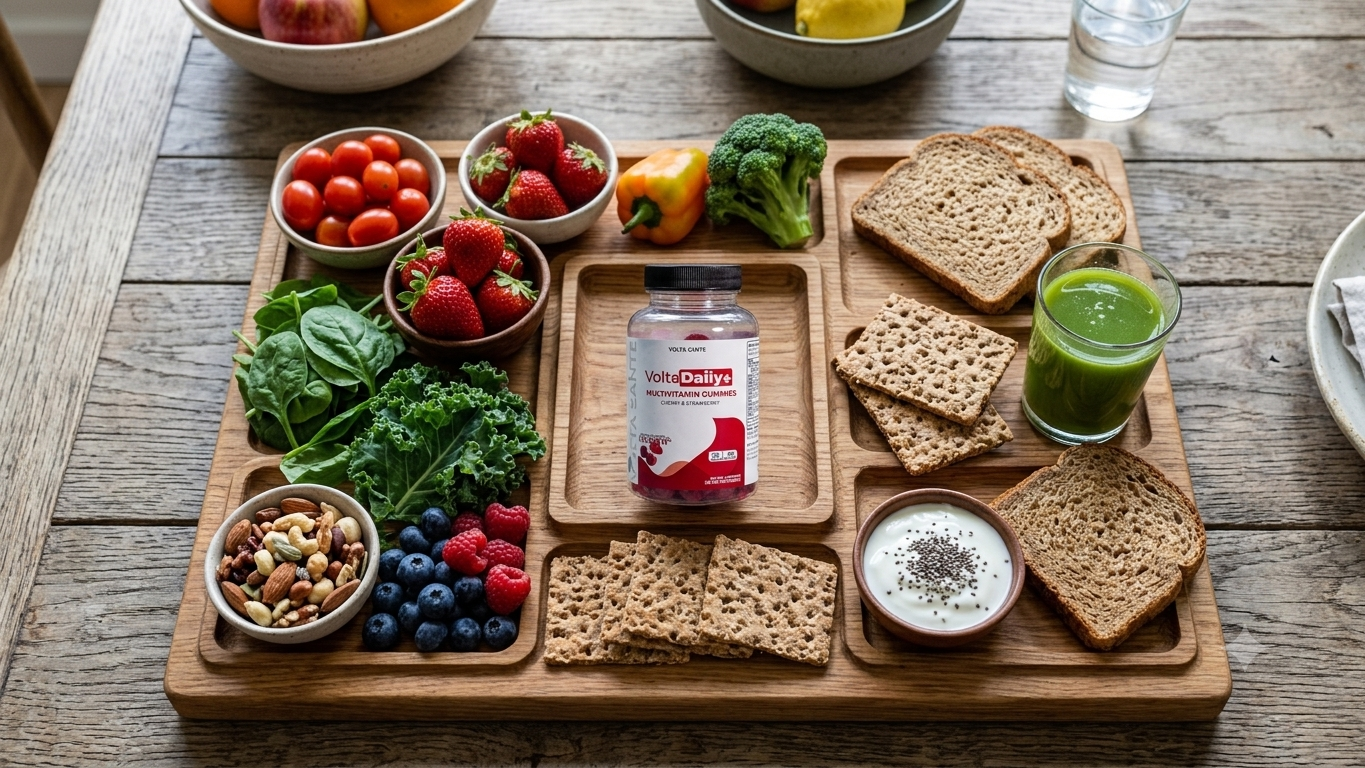
Vitamin E is widely available in food, particularly in plant-based oils and nuts. Here are some top sources:
- Wheat germ oil (one of the richest natural sources)
- Sunflower seeds
- Almonds
- Avocados
- Spinach and other leafy greens
- Hazelnuts
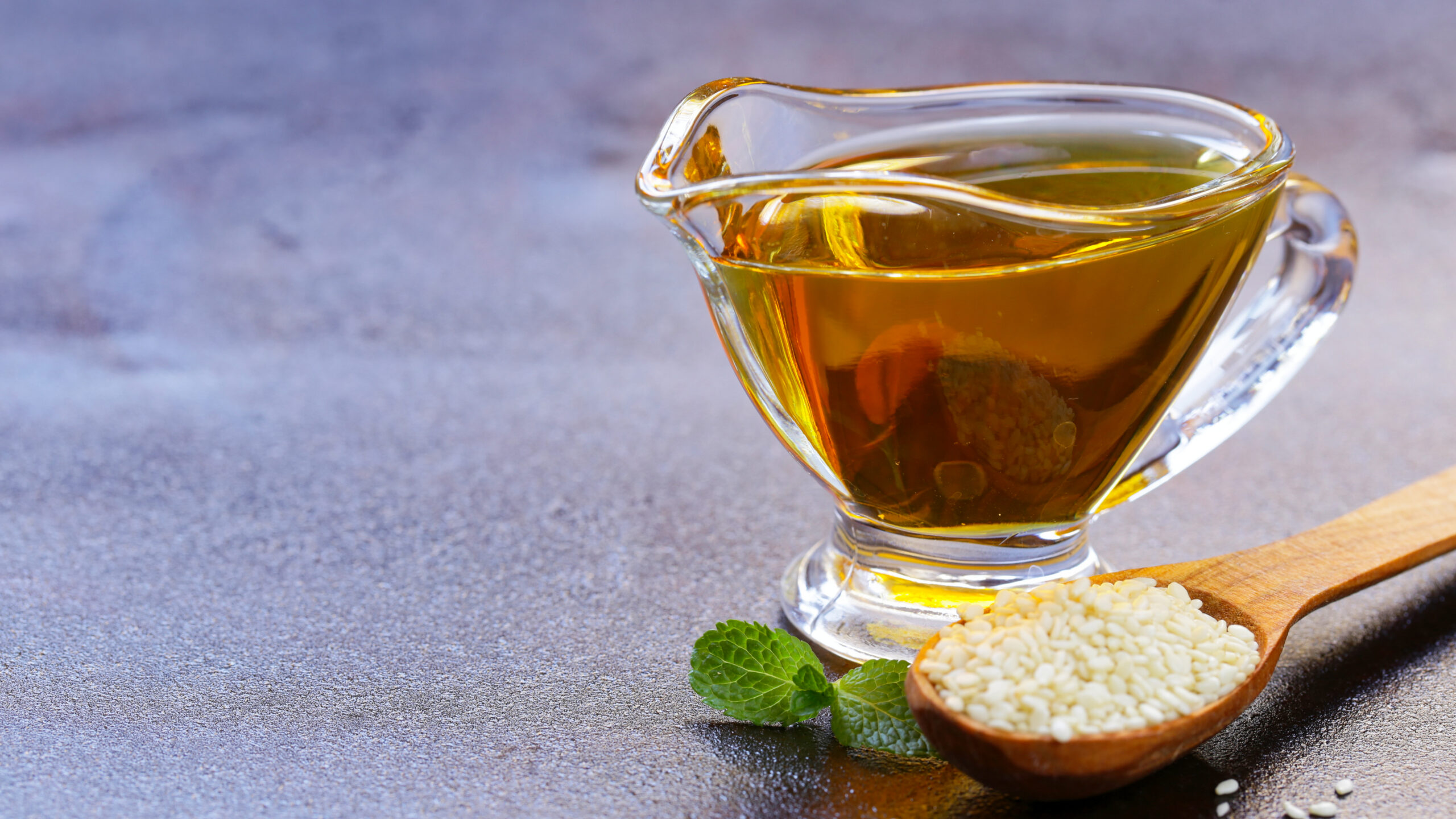
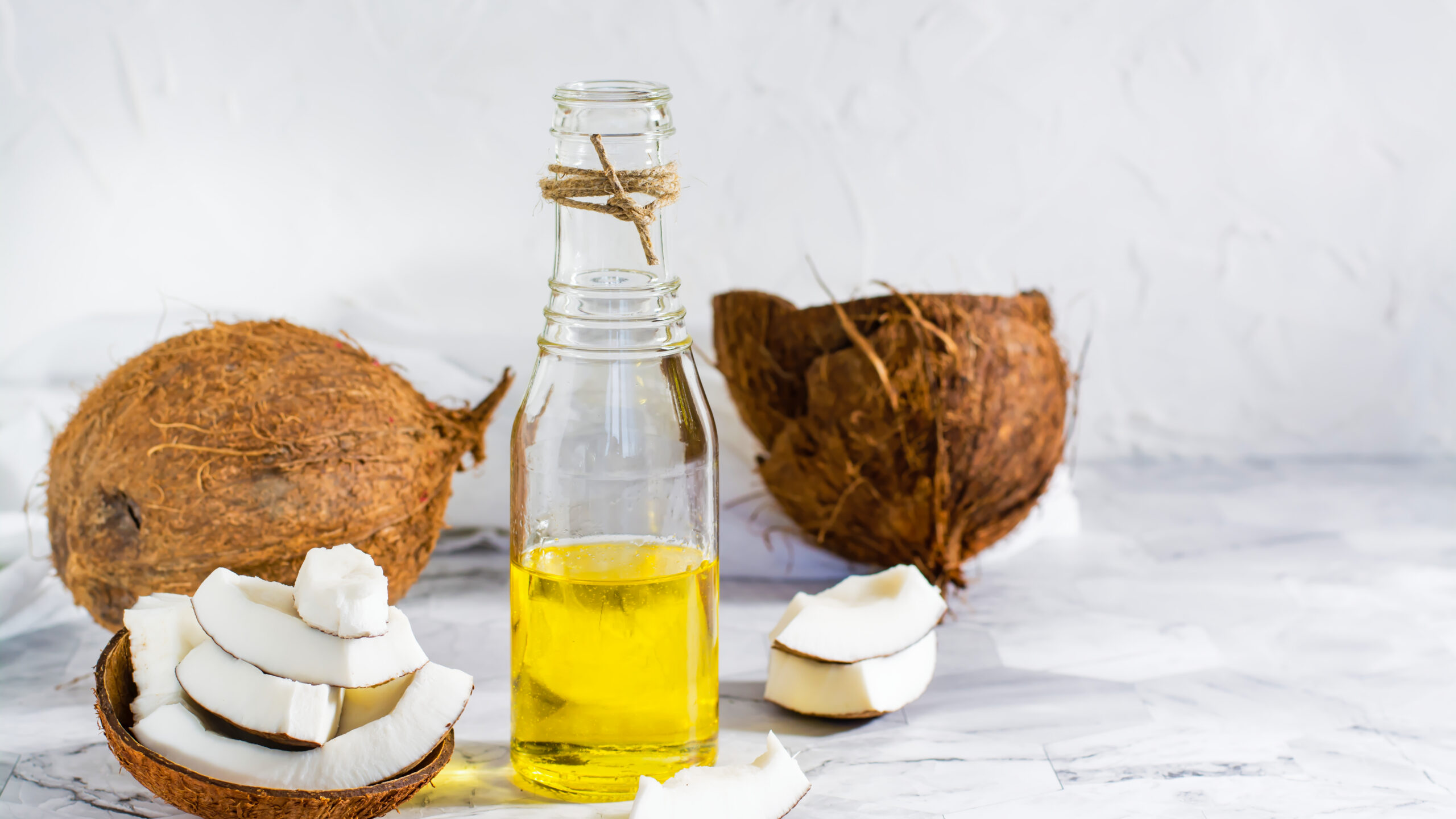
- Plant-based oils like sunflower, safflower, and olive oil
Cooking methods can degrade vitamin E, so opt for raw or lightly cooked sources when possible.
Can you take too much?
Yes. Since vitamin E is fat-soluble, excess amounts are stored in the body rather than excreted. High doses of supplemental vitamin E may increase the risk of bleeding problems and interfere with blood clotting. According to the NIH, the tolerable upper intake level (UL) for adults is 1,000 mg (1,500 IU) of alpha-tocopherol per day from supplements.
Synergy with other vitamins
Vitamin E works best in harmony with other nutrients, especially fellow antioxidants like vitamin C and Selenium. These nutrients regenerate and recycle each other to maintain antioxidant protection. To learn more about this synergy, check out our post on vitamins that work better together.
The bottom line
Vitamin E may not always be in the spotlight, but it plays a starring role in defending your body at the cellular level, promoting radiant skin, and supporting immunity. Whether you get it through diet or supplements, this vitamin is one you don’t want to overlook.