Introduction: A citrus solution to a deadly curse
Before we understood immunity, antioxidants, or nutrition, there was scurvy. It was a brutal and mysterious disease that decimated sailors and explorers for centuries. What they didn’t know at the time was that the cure lay in something as simple as a lemon.
This is the remarkable origin story of vitamin C, the nutrient that changed the course of naval history, launched one of the first clinical trials, and became the poster child for immune health.
Scurvy: the sailor’s scourge
From the 15th to the 18th centuries, scurvy was a leading cause of death among sailors on long voyages. Its symptoms were gruesome: swollen gums, bleeding wounds, fatigue, and ultimately, death. Entire crews perished while crossing oceans.
Despite its severity, the cause remained a mystery until a Scottish naval surgeon named James Lind stepped in.
A groundbreaking experiment at sea
In 1747, aboard a British naval ship, James Lind conducted what is considered one of the first clinical trials in medical history. He divided scurvy-stricken sailors into groups and gave each group a different dietary supplement. The group receiving oranges and lemons recovered far more quickly than those given vinegar, cider, or seawater.
Lind’s findings were groundbreaking, but they were largely ignored for decades. It wasn’t until the British Navy mandated lemon juice for sailors in the late 1700s that scurvy began to disappear from the seas.
From lemons to a vitamin
It would take another 150 years to isolate the specific compound responsible. In 1928, Hungarian scientist Albert Szent-Györgyi extracted a substance from adrenal glands and citrus fruits. He called it hexuronic acid. Later, it was renamed ascorbic acid, from “a-” (no) and “scorbutus” (scurvy), literally meaning “no scurvy.”
In 1937, Szent-Györgyi was awarded the Nobel Prize for his discovery of vitamin C, cementing its place in the history of medicine and nutrition.
The science behind vitamin C
Vitamin C, also known as ascorbic acid, is a water-soluble vitamin that acts as a potent antioxidant in the body. Unlike most animals, humans cannot produce vitamin C naturally, which makes dietary intake essential.
Its key functions include:
- Supporting immune cell activity
- Enhancing iron absorption
- Assisting in collagen production for skin, blood vessels, and tissues
- Neutralizing free radicals to protect against oxidative stress
Learn more about oxidative stress and how antioxidants work in our article on free radicals.
Where to find vitamin C
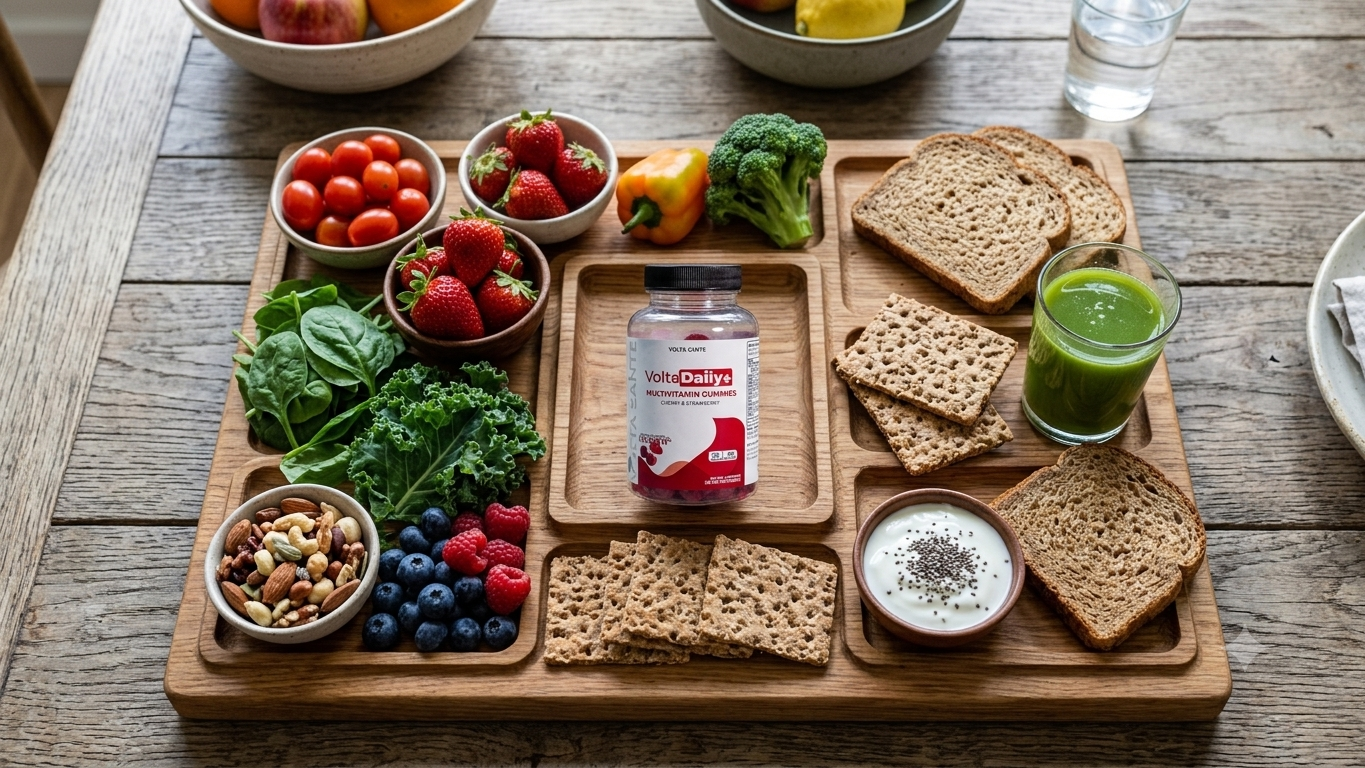
Vitamin C is found abundantly in fresh fruits and vegetables, especially:
- Oranges, lemons, limes, and grapefruits
- Kiwi, strawberries, and papaya
- Bell peppers (especially red)
- Broccoli, Brussels sprouts, and kale
Because it's water-soluble and sensitive to heat, vitamin C is best preserved in raw or lightly cooked foods.
Vitamin C in modern health
While we no longer battle scurvy on ships, vitamin C remains vital for:
- Immune defense, especially during illness
- Skin health and wound healing, thanks to collagen production
- Reducing inflammation and promoting overall cellular health
- Enhancing the absorption of non-heme iron from plant foods
Its benefits are especially powerful when paired with nutrients like vitamin E and Zinc, which work synergistically to bolster the immune system.
Final thoughts: From sailor’s cure to super supplement
The discovery of vitamin C was more than a nutritional breakthrough. It was a turning point in medical history. What started as a mystery on the high seas led to the development of modern clinical research and a deeper understanding of the role nutrients play in disease prevention.
Today, vitamin C remains one of the most researched and recommended vitamins in the world. Whether you get it from citrus fruits, vegetables, or a daily supplement, this essential nutrient continues to protect, repair, and revitalize the human body.
Next in the Series: Vitamin D and the sunshine revolution
Next, we’ll explore the incredible story of Vitamin D, how rickets shaped urban health, and how sunshine became a prescription for stronger bones and better living. Follow along at the Volta Santé blog to keep the journey going.