What is Omega 7?
Omega 7 generally means palmitoleic acid (16:1n-7), a nonessential monounsaturated fatty acid your body can make from palmitic acid. It behaves like a signaling lipid in animal studies and appears in many tissues, especially liver and adipose. Think of it as a cousin of oleic acid that your body can also produce.
Food sources that matter
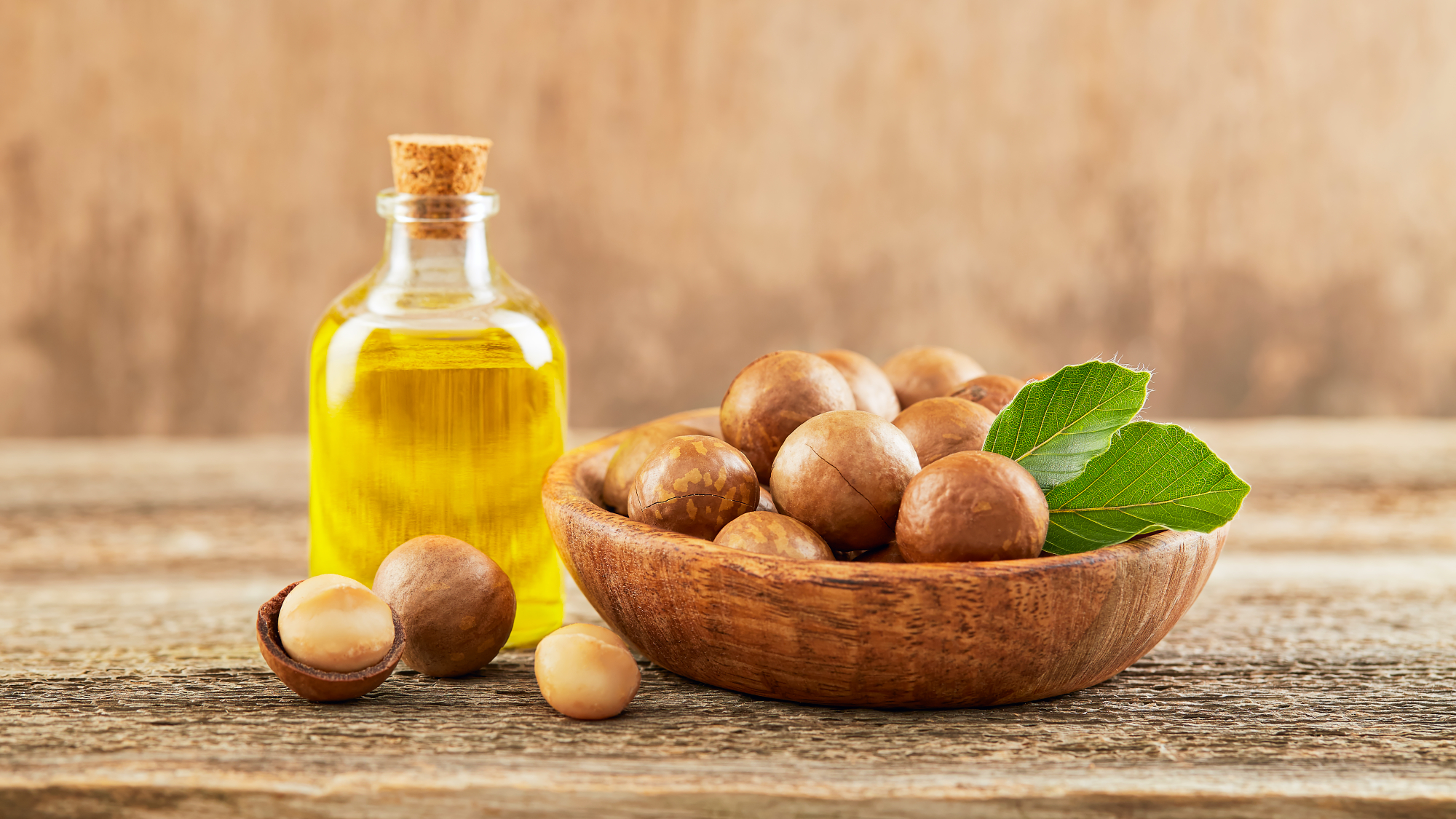
Two foods stand out. Sea buckthorn berry oil can contain very high palmitoleic acid, often reported around 30 to 43 percent of its fatty acids. Macadamia nuts and macadamia oil are also notable, with roughly 17 to 19 percent palmitoleic acid, far more than most nuts. These are practical dietary sources compared with typical vegetable oils.
What the science currently says
Mechanisms and preclinical work. Reviews describe anti-inflammatory, lipid regulating, and insulin sensitizing actions in cells and animals. These signals are promising, but they do not prove real-world benefit for people.
Human evidence. The clinical picture is mixed. A small placebo-controlled study of a mixed Omega 7 supplement did not improve inflammatory markers. A 2023 randomized controlled trial of palmitoleic acid capsules reported benefits in a targeted population, but more independent trials are needed to confirm size and durability of effects. A 2014 lipid trial that once drove enthusiasm was retracted for data concerns. Read results with caution and favor newer, well controlled studies.
Ongoing research. New trials are underway to test effects on insulin sensitivity and liver fat handling in overweight adults. These studies will help clarify whether Omega 7 is useful beyond lab models.
Sea buckthorn vs macadamia vs supplements
Sea buckthorn oil is unusually rich in Omega 7 and also carries other bioactives like phytosterols. Macadamia offers Omega 7 within a whole food that is mostly monounsaturated fat. Supplements provide standardized doses, yet quality and composition vary. If you choose a capsule, look for products that specify palmitoleic acid content and undergo third party testing. Evidence for broad cardiovascular risk reduction remains preliminary.
How to use Omega 7 wisely
- Treat Omega 7 as a specialty accent, not a replacement for well supported fats like extra virgin olive oil or marine Omega 3s. Those have far stronger human data.
- Enjoy macadamias as a snack or use sea buckthorn oil in small amounts as a finishing oil. These approaches supply Omega 7 without relying on concentrated supplements.
- If you explore supplements, discuss them with a clinician, especially if you manage lipids, diabetes, or liver conditions.
Bottom line
Omega 7, typically palmitoleic acid, is an intriguing fatty acid with solid mechanistic rationale and notable natural sources. Human trials are still few, some negative, and one influential study was withdrawn. Until larger and longer studies confirm clear benefits, keep Omega 7 as a small, flavorful addition to a pattern built on vegetables, whole grains, legumes, olive oil, and proven Omega 3 sources.