Vitamin B complex isn't just one nutrient. It’s eight essential water‑soluble vitamins that play key roles in energy, metabolism, brain health, red blood cell production, and more. When these work together, they support your body in surprising ways.
What Exactly Is B‑Complex?
A Vitamin B complex supplement typically includes:
- Thiamine (B1)
- Riboflavin (B2)
- Niacin (B3)
- Pantothenic Acid (B5)
- Pyridoxine (B6)
- Biotin (B7)
- Folate (B9)
- Cobalamin (B12)
Each B vitamin acts as a coenzyme, helping your body convert food into energy, supporting DNA/RNA synthesis, and ensuring healthy cell function .
Top Benefits of Vitamin B‑Complex
- Boosts Energy Production
- Supports Brain Health & Mood
- Promotes Red Blood Cell Formation
- Supports Cardiovascular Wellness
- Supports Cellular Maintenance
Signs You Might Need B‑Complex
- Feeling chronically tired or low-energy
- Brain fog, memory lapses, or low concentration
- Digestive issues or loss of appetite
- Feeling moody or stressed
- Following a restricted diet (vegetarian, vegan)
- Pregnancy, older age, or absorption issues
Always talk with a healthcare provider before starting supplements, especially if you have existing health conditions.
Best Time to Take B‑Complex
These water-soluble vitamins work best in the morning with food, which aids absorption and supports daytime energy. Avoid taking them at night—you may experience vivid dreams or sleep disturbances, especially with B6.
Dosage & Safety Guidelines
- Most B complex supplements are taken safely once daily, according to the label or your provider.
- B vitamins are water‑soluble, so excess amounts are excreted in urine.
- However, very high doses, especially niacin (B3) or pyridoxine (B6) can cause side effects such as flushing or nerve issues.
- Follow the Recommended Daily Intake (RDI) and don’t exceed tolerable upper limits unless directed by a provider.
Getting B Vitamins from Food
Supplements are great, but food sources also matter:
- B12: Meat, fish, dairy, fortified cereals
- B6: Fish, poultry, bananas, potatoes
- Biotin: Eggs, nuts, salmon
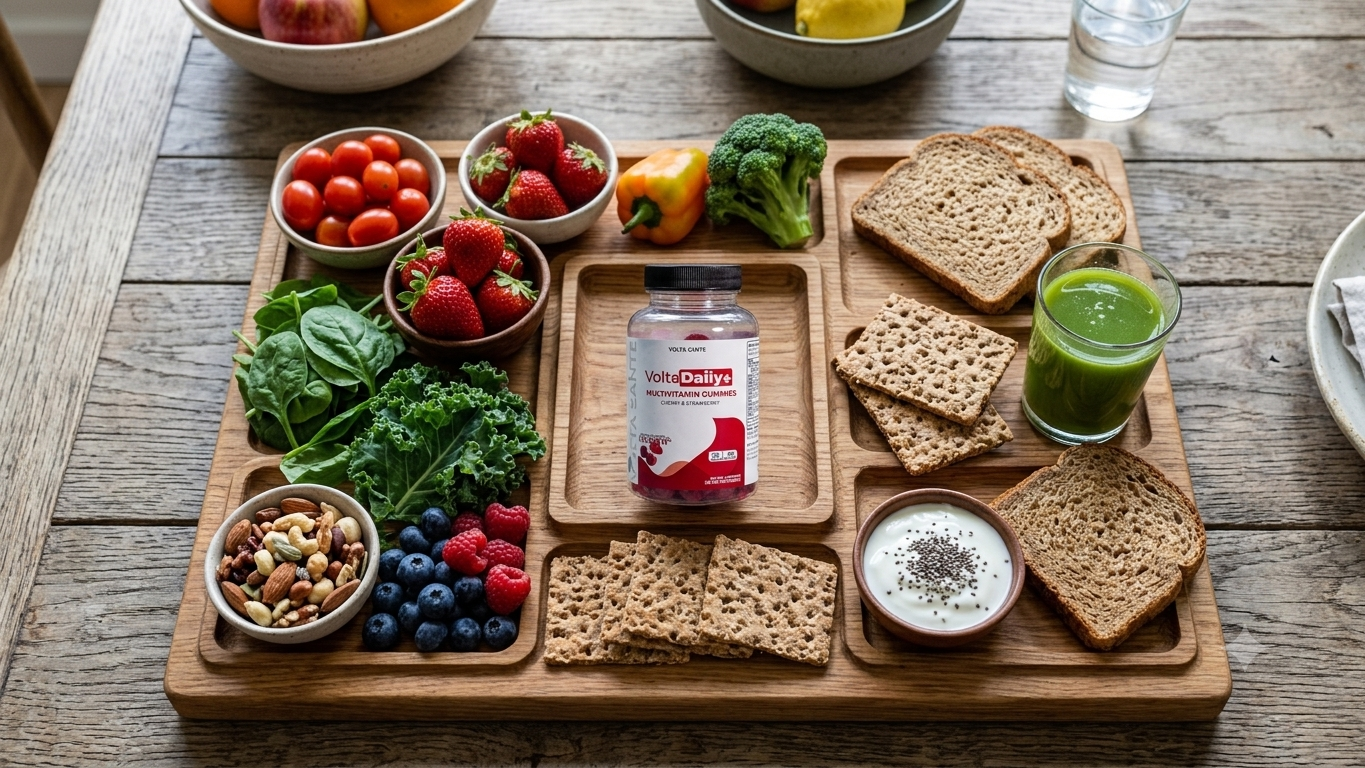
- Folate: Dark leafy greens, legumes, citrus
- Others: Whole grains, meats, eggs, legumes, dairy
A balanced diet can reduce or eliminate the need for supplementation.
B‑Complex vs. Single B Vitamins
- B‑Complex is ideal for broad support or when you're unsure which deficiency you have.
- Individual B vitamins (like B12) may be used to treat a specific deficiency (e.g., B12 for vegans or older adults).
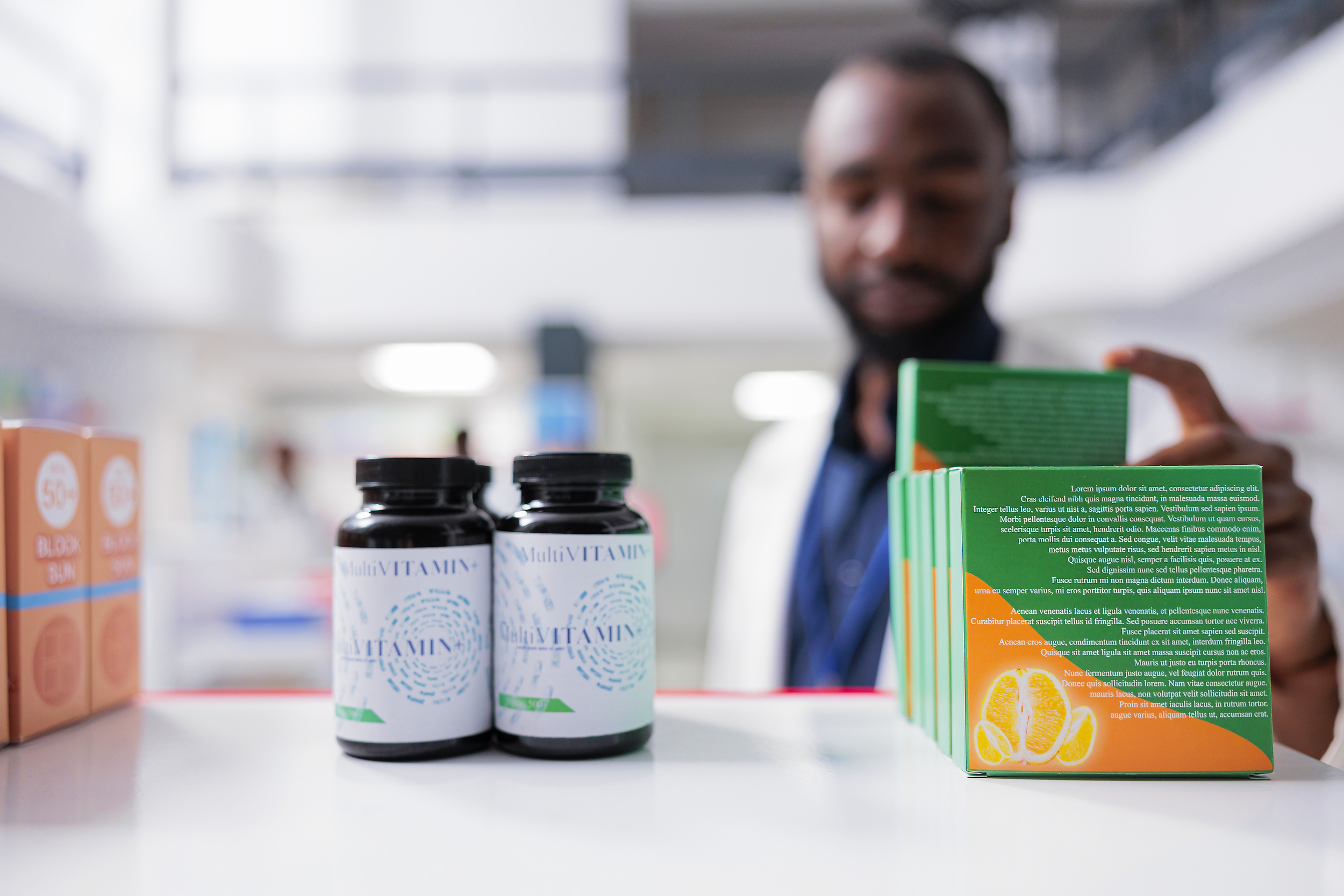
How to Choose a Quality B‑Complex
- Look for third‑party testing (e.g., USP, NSF)
- Check ingredient labels for methylated forms (e.g., folate as 5-MTHF, B12 as methylcobalamin)
- Avoid fillers and high-dose mega doses. Stick to RDI ranges
- Choose reputable brands with transparent sourcing and good reviews
Bottom line
Vitamin B‑complex supplements can be a simple, effective way to support your energy, mood, brain function, and overall health. If you're eating well and feeling good, food sources may be enough. However, we all know that is incredibly difficult to get all our nutrients from food. For most people, supplementation is a necessity. And a well‑formulated B‑complex supplement could offer real benefits.