
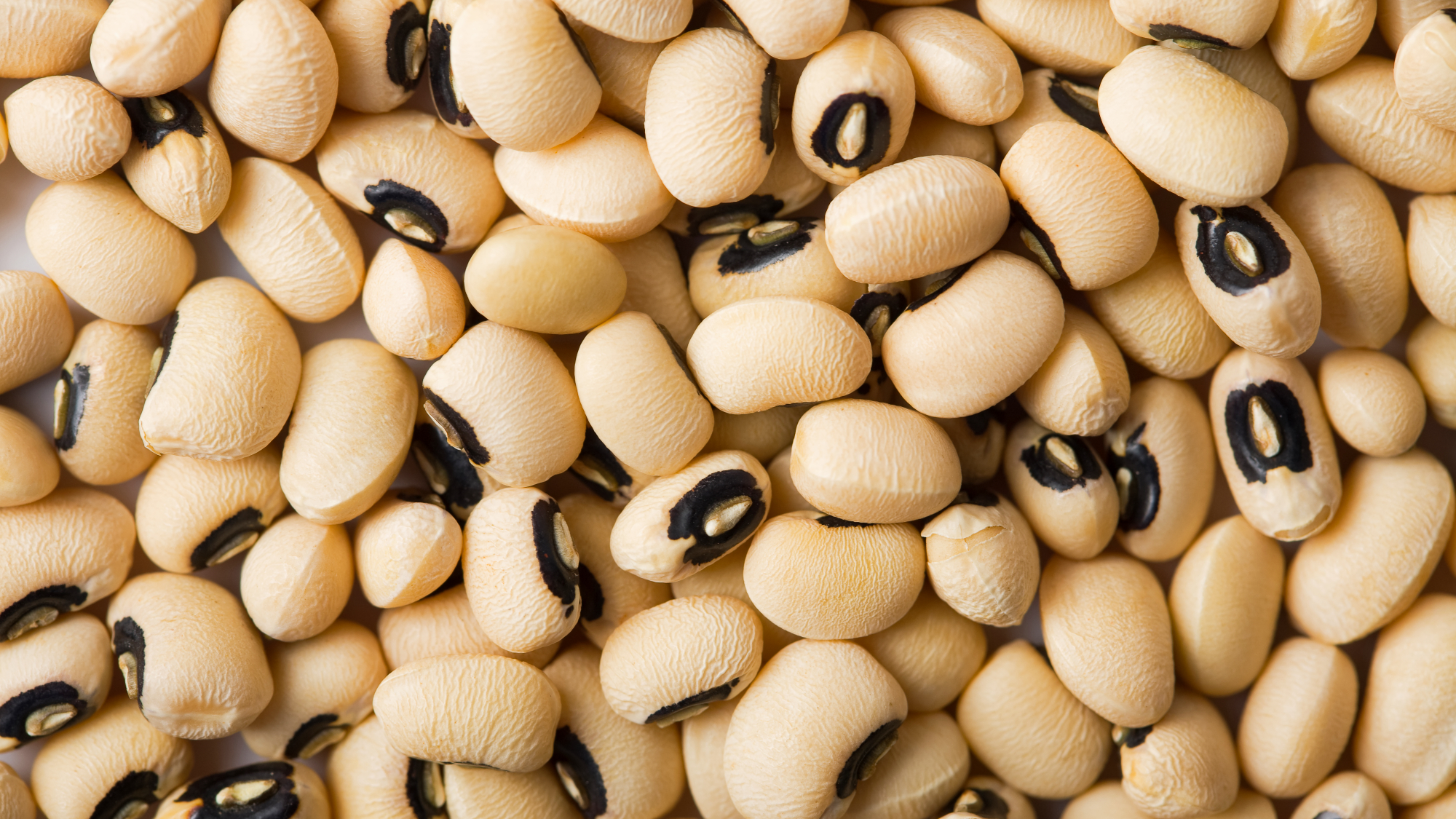
Black-eyed peas, also called cowpeas, are a staple in many African and global cuisines. From Ghana’s waakye to Nigeria’s akara, they are both culturally meaningful and nutritionally powerful. Packed with plant protein, fiber, and essential micronutrients, black-eyed peas are an affordable food that supports everyday health and well-being.
What are black-eyed peas?
Despite the name, black-eyed peas are not peas but legumes, belonging to the cowpea family. They are small, beige-colored beans with a distinctive black “eye” at the center. Traditionally cultivated across West Africa, they are a versatile ingredient used in stews, porridges, salads, and snacks.
Nutritional profile
According to the USDA, a 100-gram serving of cooked black-eyed peas provides roughly:
- Calories: 116
- Protein: 8 grams
- Carbohydrates: 20 grams
- Fiber: 6 grams
- Fat: 0.5 grams
Key vitamins in black-eyed peas
- Folate (vitamin B9): Essential for DNA synthesis and especially important during pregnancy.
- Vitamin A (in small amounts): Supports vision and immune health.
- Vitamin K: Important for blood clotting and bone strength.
- B vitamins (thiamin, riboflavin, niacin): Aid energy metabolism and nervous system function.
Essential minerals
- Iron: Supports oxygen transport in the blood and helps prevent anemia.
- Magnesium: Important for muscle function and bone strength.
- Potassium: Helps regulate blood pressure and fluid balance.
- Calcium: Maintains strong bones and teeth.
- Zinc: Supports immune function and wound healing.
Health benefits of black-eyed peas
- Supports heart health
The fiber, potassium, and magnesium in black-eyed peas may help regulate blood pressure and reduce cholesterol levels. - Good source of plant protein
With 8 grams of protein per serving, black-eyed peas are a valuable protein option for vegetarians and households seeking affordable alternatives to meat. - Promotes digestive health
Their high fiber content aids digestion, prevents constipation, and supports a healthy gut microbiome. - Helps manage blood sugar
The combination of fiber and protein helps slow digestion and stabilize blood sugar levels, making them a smart choice for people managing diabetes. - Supports pregnancy and child development
Folate-rich foods like black-eyed peas are essential for preventing neural tube defects during pregnancy.
How to add black-eyed peas to your diet
- Waakye: A Ghanaian rice-and-beans dish often served with shito and fried plantains.
- Akara: Nigerian bean fritters made from blended black-eyed peas.
- Bean stews and soups: Combine with tomatoes, onions, and spices for a hearty meal.
- Salads: Toss cooked beans with vegetables, herbs, and olive oil.
- Breakfast porridges: Slow-cooked with millet or maize for a filling start to the day.
Final thoughts
Black-eyed peas are more than just a humble legume—they are a nutrient-rich, culturally rooted food that supports affordable, balanced living. Including them regularly in your meals can boost your protein, fiber, and essential micronutrient intake, while connecting you to centuries of African culinary tradition.








