Navigating supplement labels doesn’t have to feel like decoding a medical manual. With a few easy steps, you can understand what’s inside that bottle and make smarter, safer choices for your health.
1. Start with the “supplement facts” panel
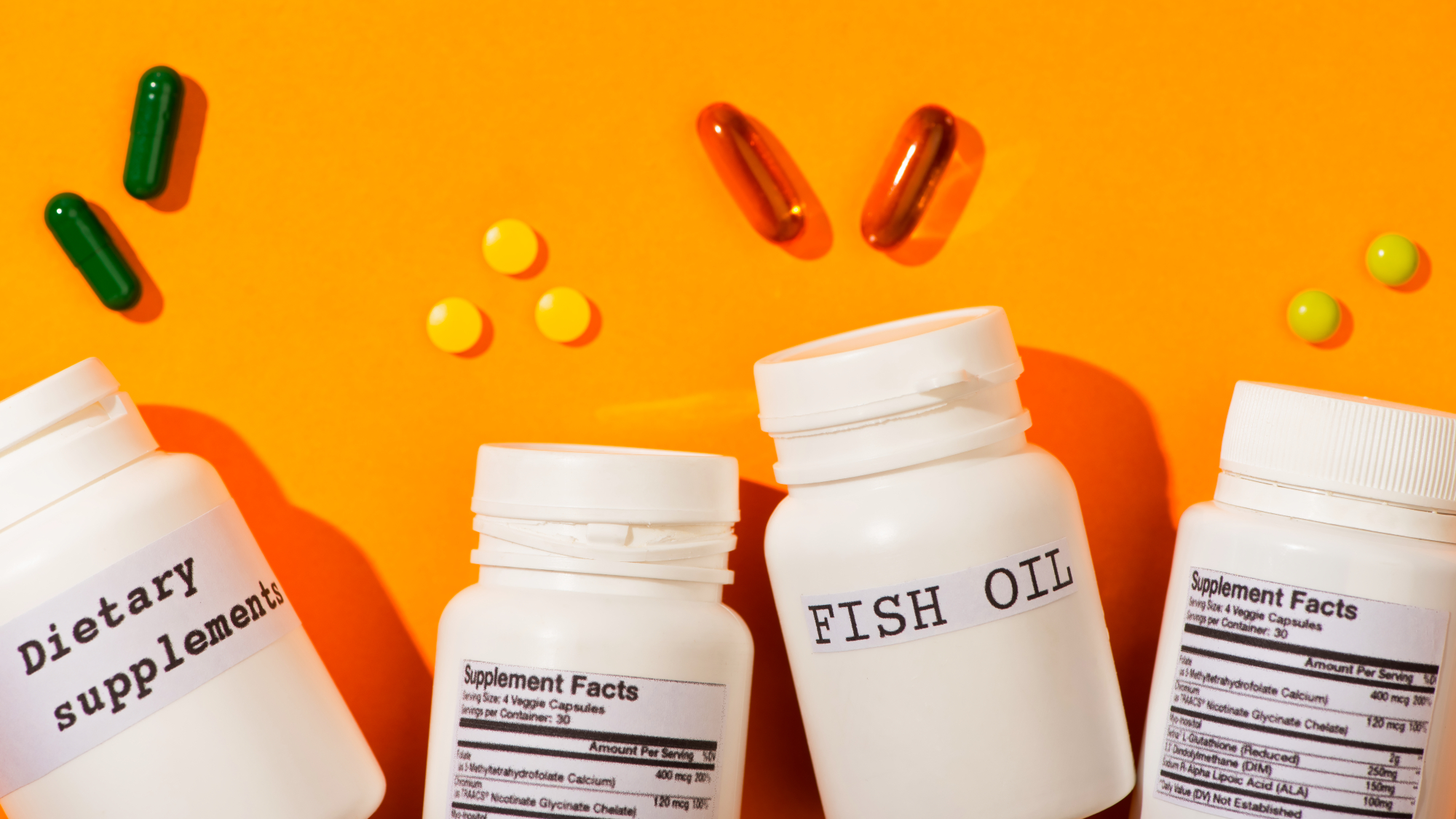
Every supplement in the U.S. must include a Supplement Facts panel. It shows serving size, number of servings per container, active ingredients, and quantities. This helps you understand exactly how much you’d consume with each dose.
2. Watch the serving size
Check serving size and servings per container to avoid accidental overdosing. It also impacts the daily value you’re getting with each serving.
3. Check the percent daily value (%DV)
%DV tells you how much of your recommended nutrient intake you’re getting per serving. In the U.S., RDIs determine %DV, and they’ve been updated recently to reflect current guidelines.
4. Inspect the ingredient list & proprietary blends
Ingredients—like fillers, binders, or colorants—can affect purity and potency. Watch for proprietary blends, which list a total weight but hide individual amounts.
5. Find safety disclaimers
U.S. labels require a disclaimer when a product makes structure or function claims. It should state the FDA hasn’t evaluated the claim and that the product isn’t meant to prevent or treat any disease.
6. Look for third-party certifications
Since supplements are less strictly regulated, third-party seals like NSF or USP signal quality and purity.
7. Be alert for allergens and additives
Labels should list the top allergens by law. Still, watch for non‑allergen additives like artificial sweeteners, coloring agents, or magnesium stearate, which some experts caution might cause irritation or inflammation.
8. Mind expiration dates
The FDA does not require expiration dates on supplements, though many manufacturers include them voluntarily. Expired supplements may lose potency or safety.
9. Know the regulatory background
The Dietary Supplement Health and Education Act of 1994 (DSHEA) defined supplements and labeling requirements. However, unlike pharmaceuticals, supplements are only regulated post‑market, meaning oversight can be more reactive than proactive.
10. Always consult a health professional
Label checks are helpful, but supplements can interact with medications or be unnecessary. Always speak with a healthcare provider before starting something new.
Bottom line
Reading supplement labels like a pro helps you understand what’s inside, ensures you avoid harmful ingredients or excessive doses, and increases confidence in safe, effective use. Always prioritize high-quality, trusted brands and discuss your choices with a medical professional when needed.